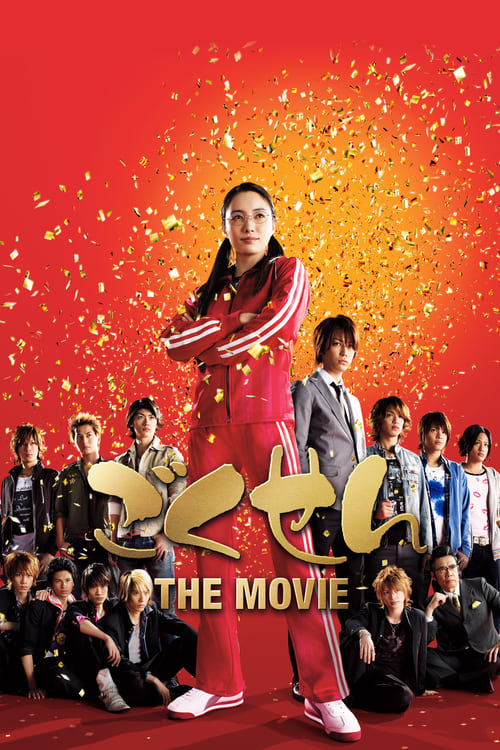
GTO: The Movie
1999
No user ratings available yet
Representation score: 3.4 out of 10
Representation Score
Fair
2009
PG-13Director
Tōya Satō
Runtime
118 minutes
Average Rating
No ratings yetNew Showbiz Analysis
The film's strength lies in its powerful subversion of gendered power dynamics. Kumiko Yamaguchi serves as a sophisticated model of women's ability to drive the story, commanding respect in both academic and criminal spheres. However, the narrative is limited by its cultural homogeneity and reliance on traditional social structures. The emphasis on loyalty and family honor reinforces existing social norms rather than challenging them. Ultimately, while the lead character provides a strong counter-narrative to gender stereotypes, the lack of diverse representation and queer identities keeps the overall score low.
Category Breakdown
The film follows a traditional framework typical of mainstream Japanese cinema from this era. There are no same-sex romantic arcs or non-assuming gender matches what was assigned at birth identities among the main characters.
Kumiko Yamaguchi disrupts traditional gender roles by holding positions of authority in both education and the criminal underworld. She demonstrates strong ability to act and physical competence, challenging submissive female clichés.
The cast is highly homogeneous, reflecting the specific Japanese setting of the high school and crime syndicate. It does not blend different ethnic backgrounds to challenge demographic norms.
The story centers on traditional values like duty and compassion. It explores nuanced views of authority and reinforces social cohesion through themes of family and loyalty.
There is no prominent depiction of visible or invisible disabilities. The narrative focuses on social friction between students and authority figures rather than neurodivergence or physical disabilities.
Present on Screen
Limited or Absent
Official Synopsis
A passionate teacher, Kumiko Yamaguchi, a.k.a. Yankumi, is now overseeing the new students of Class 3D of Akado High School, who still have not opened up to her and are giving her a hard time. Current and former Class 3D students collide in this epic finale to the Japanese TV series.
1999

2015

2013

2007

2007
2022

2015

2003
No reviews yet. Be the first to share your thoughts on this movie!
Use the rating form above to leave a star rating and optional review.