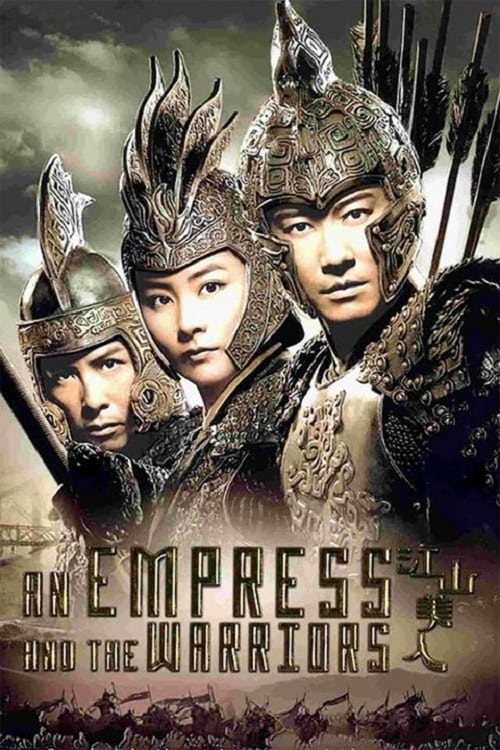
An Empress and the Warriors
2008
No user ratings available yet
Representation score: 4.9 out of 10

Representation Score
Limited
2015
NRDirector
Hou Hsiao-hsien
Runtime
105 minutes
Average Rating
No ratings yetNew Showbiz Analysis
The film excels in challenging gendered power dynamics by placing a highly skilled, autonomous woman at the center of a martial and political world. This strong character's ability to drive the story contrasts with the submissive roles often found in period dramas. While the film is culturally authentic and avoids Westernized clichés, it remains a homogeneous depiction of 9th-century China. It lacks explicit LGBTQ+ representation and does not address disability as a narrative theme. Ultimately, the work's strength lies in its sophisticated historical reconstruction. It prioritizes internal character states and authentic cultural perspectives over modern identity politics.
Category Breakdown
The film lacks LGBTQ+ characters or depictions of non-straight relationships. Interpersonal dynamics focus on traditional familial and professional bonds within the Tang Dynasty setting.
Nie Yinniang disrupts conventional hierarchies through extreme physical ability to act and autonomy. The narrative centers a woman within a high-stakes political landscape, featuring female-led spaces like the convent.
The film presents a culturally homogeneous 9th-century China. It achieves authenticity by avoiding a Western perspective, offering a deeply localized and historically specific portrayal of Tang Dynasty life.
The story explores the tension between individual desire and systemic duty. The convent serves as a nuanced site of discipline and ability to act rather than a purely religious institution.
The film does not feature characters with visible or invisible disabilities as central narrative elements.
Present on Screen
Limited or Absent
Official Synopsis
9th century China. Ten year old general’s daughter Nie Yinniang is abducted by a nun who initiates her into the martial arts, transforming her into an exceptional assassin charged with eliminating cruel and corrupt local governors. One day, having failed in a task, she is sent back by her mistress to the land of her birth, with orders to kill the man to whom she was promised – a cousin who now leads the largest military region in North China. After 13 years of exile, the young woman must confront her parents, her memories and her long-repressed feelings.
2008
2015

2023
2013
2008
2002
1998

2021
No reviews yet. Be the first to share your thoughts on this movie!
Use the rating form above to leave a star rating and optional review.