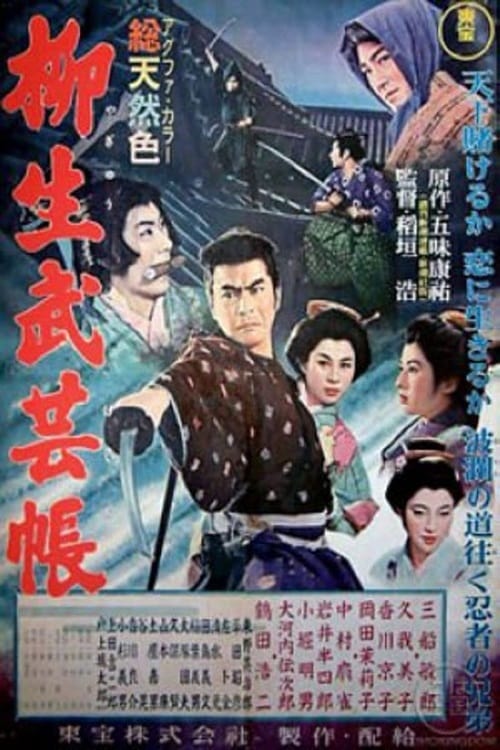
Yagyu Secret Scrolls
1957
No user ratings available yet
Representation score: 1.0 out of 10
Representation Score
Minimal
1958
Director
Hiroshi Inagaki
Runtime
105 minutes
Average Rating
No ratings yetNew Showbiz Analysis
This period drama upholds the historical social hierarchies of the Tokugawa Era rather than challenging them. The narrative structure centers on male influence and the maintenance of established power structures. While the film achieves cultural authenticity for the Edo period, it lacks the layered representation of modern cinema. The focus remains on clan loyalty and the rigid social hierarchy of the time. Ultimately, the work prioritizes historical accuracy and traditional values over the exploration of diverse perspectives.
Category Breakdown
The film strictly follows the social norms of the Tokugawa Era. There is no depiction of non-straight or non-cisgender identities or same-sex relationships.
Men, particularly samurai, have the most influence in the story. Although Princess Yuhime plays a significant role, she mainly serves as a plot device rather than challenging traditional gender roles.
The film showcases a culturally uniform environment typical of its Japanese setting. It stays true to historical accuracy without whitewashing or mixing in other cultures.
The story emphasizes the stability of the Tokugawa social order and clan loyalty. It upholds the importance of the martial code and traditional family structures.
Characters are defined by their physical abilities and martial skills. There is no representation of neurodivergent conditions or physical disabilities in the narrative.
Present on Screen
Limited or Absent
Official Synopsis
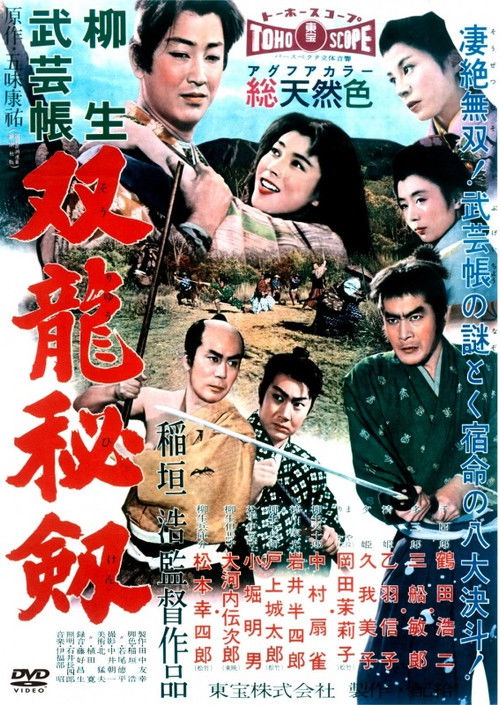
In the Tokugawa Era, the clan of Lord Yagyu has hidden away three scrolls containing clan secrets which, if revealed, would cause revolution and disaster for the clan. The information is divided among the three scrolls, all of which must be possessed for the secrets to be understood. When Princess Yuhime steals the scrolls, Tasaburo, a samurai with magical powers, and his brother Senshiro are sent to retrieve them. In Part II, the search for the scrolls continues.
1957

1956
1964
2014
1966
1979
1967
1970
No reviews yet. Be the first to share your thoughts on this movie!
Use the rating form above to leave a star rating and optional review.