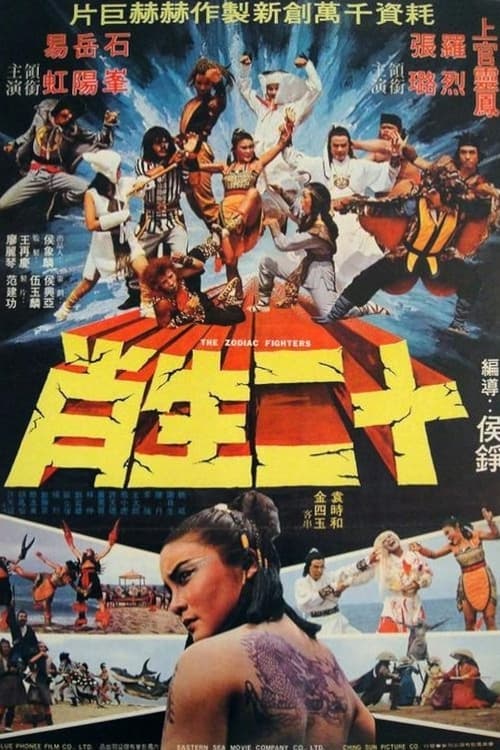
The Zodiac Fighters
1978
No user ratings available yet
Diversity score: 3.9 out of 10
1959
Director
Hiroshi Inagaki
Runtime
182 minutes
Average Rating
No ratings yetSynopsis
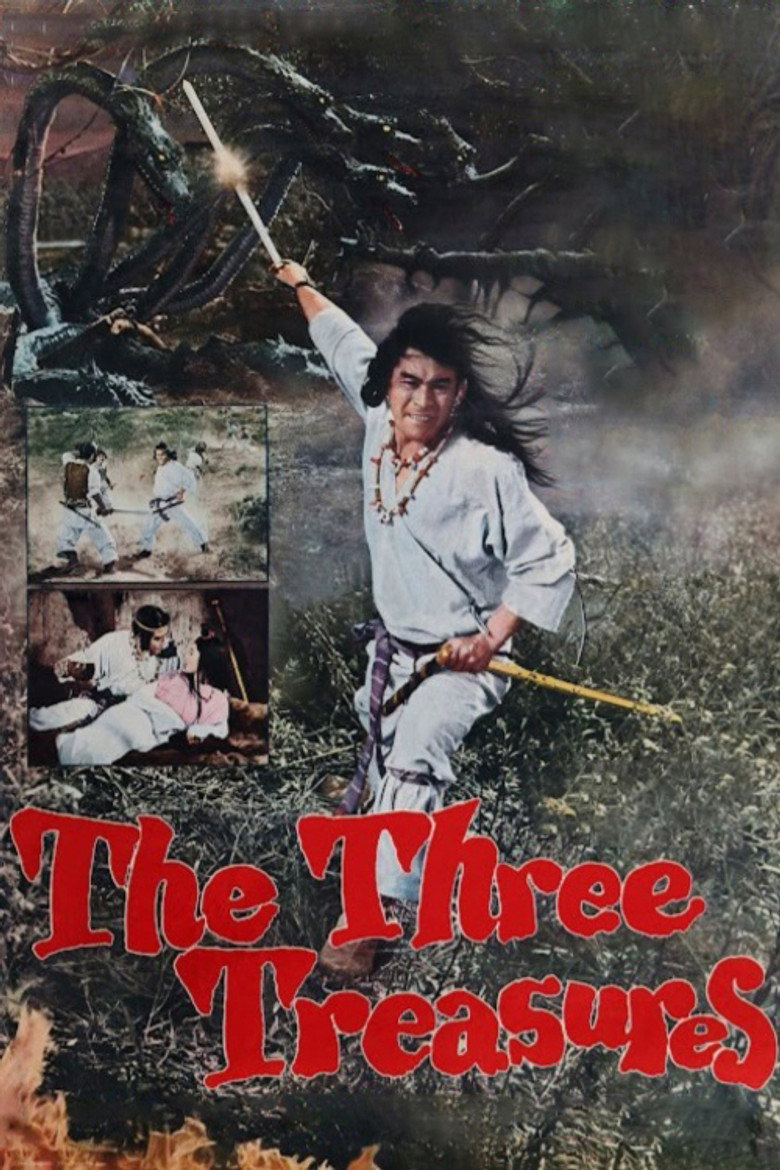
The legend of the birth of Shintoism. In Fourth Century Japan, the Emperor's son Ouso expects to succeed his father on the throne, but Otomo, the Emperor's vassal, prefers Ouso's stepbrother, and conspires to have Ouso die on a dangerous mission he has contrived. But Ouso prevails in the mission and returns to his father's castle under a new name, Prince Yamato Takeru. Otomo plots to have the Prince sent into even greater danger, but Otomo is unaware that the gods have favored the Prince and the outcome is far from what any of them expected.
Overall Score
Limited
Category Breakdown
LGBTQ+ Representation
The film operates within a traditional heteronormative framework. There is no discernible presence of LGBTQ+ characters or non-cisnormative identities.
Gender Representation
Narrative agency is heavily concentrated in male protagonists. Female characters occupy secondary, supportive roles that reinforce conventional masculine leadership.
Racial & Ethnic Diversity
A Japanese cast portrays characters within a Chinese setting, creating a layer of cultural blending. However, the central adventuring group remains largely homogeneous.
Religious & Cultural Diversity
The story follows traditional adventure motifs centered on wealth and legendary treasures. It lacks a critique of religious or systemic structures.
Disability Representation
The focus remains strictly on the physical martial skills of the adventurers. No characters with visible or invisible disabilities are afforded agency.
Strengths
Areas for Improvement
AI Analysis
The film is a period adventure that prioritizes genre-driven momentum and martial prowess over the exploration of intersectional identities. It adheres to mid-century cinematic conventions, reinforcing established social hierarchies rather than subverting them. While the setting offers a unique layer of cultural blending through its cast and location, the narrative remains anchored in traditional archetypes. The film functions as a standard heroic quest without engaging in systemic critique or progressive social commentary.
1978

1956
1958
1957
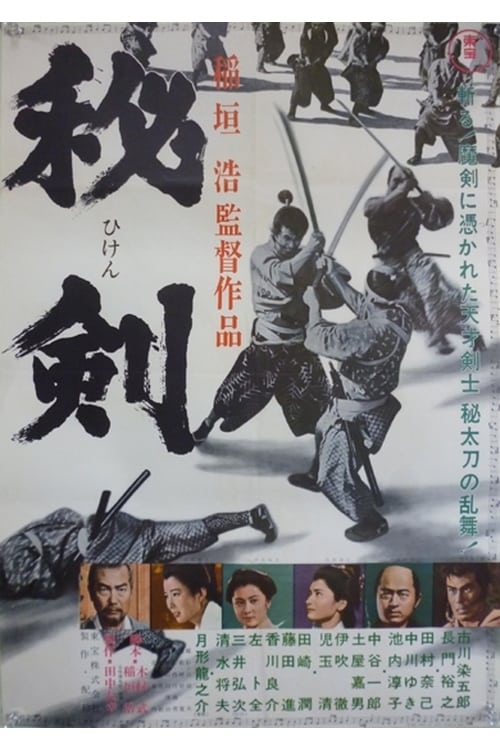
1963
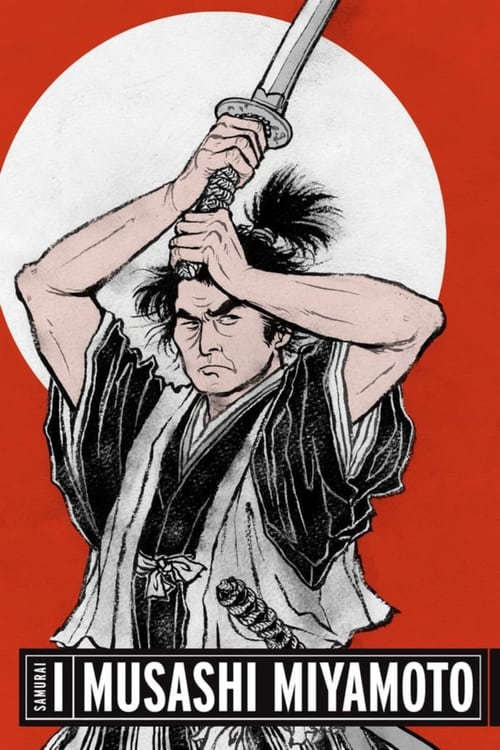
1954
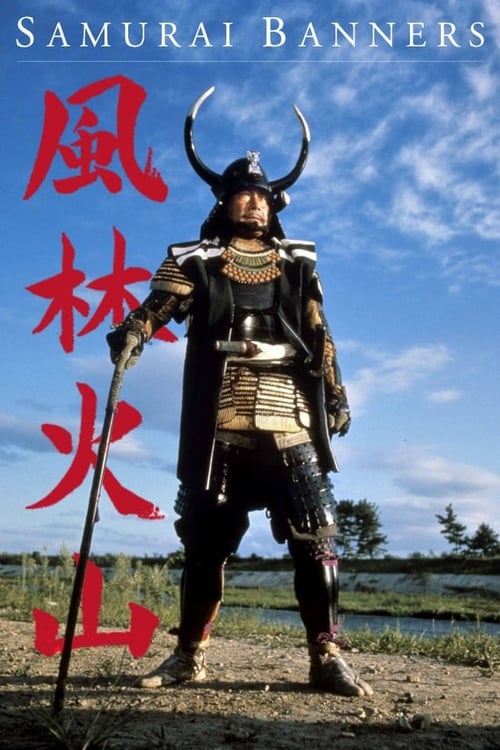
1969
No reviews yet. Be the first to share your thoughts on this movie!
Use the rating form above to leave a star rating and optional review.