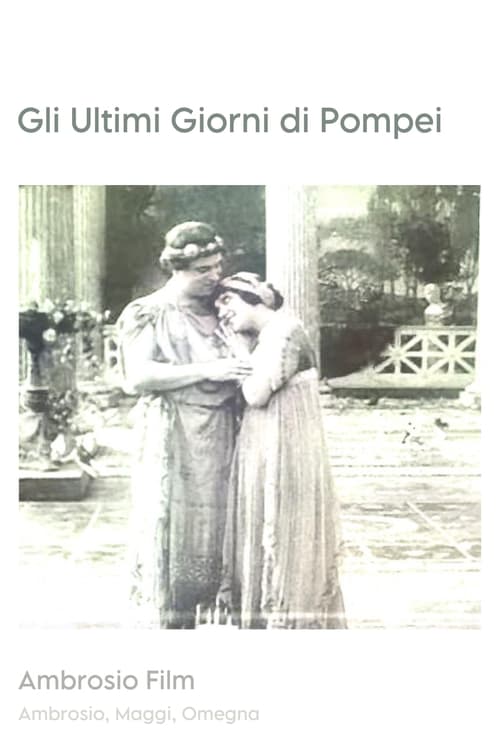
The Last Days of Pompeii
1908
No user ratings available yet
Representation score: 2.9 out of 10
Representation Score
Minimal
1913
Director
Ubaldo Maria Del Colle, Giovanni Enrico Vidali
Runtime
95 minutes
Average Rating
No ratings yetNew Showbiz Analysis
This 1913 silent epic adheres strictly to the melodramatic conventions of its era. The story prioritizes classical historical reconstruction and romantic conflict over any meaningful social subversion or storytelling that reflects multiple aspects of identity. The narrative reinforces existing hierarchies, particularly regarding gender and religious authority. While the inclusion of a blind slave and a stratified social structure provides some character differentiation, these elements appear to serve the central plot rather than offering progressive representation. Ultimately, the film functions as a traditional historical melodrama. It lacks the intentionality required to disrupt the social and gender norms of the period, focusing instead on the inevitability of catastrophe.
Category Breakdown
The film follows a traditional romantic triangle involving Glaucus, Jone, and Giulia. There are no non-straight relationships or same-sex intimacy in the story.
Jone is the central figure of desire, but the plot is driven by male characters and their patriarchal authority. The conflict revolves around male romantic pursuits and religious accusations.
The story depicts a stratified Roman society with the presence of a slave. However, there is no evidence of racially diverse casting or characters challenging social constraints.
The narrative focuses on classical antiquity and the power of religious institutions. It functions as a historical reconstruction without critiquing classical or religious hierarchies.
Nidia is portrayed as a blind slave. It is unclear if her disability provides her with a significant role in driving the story or if she mainly serves as a symbol of sadness.
Present on Screen
Limited or Absent
Official Synopsis
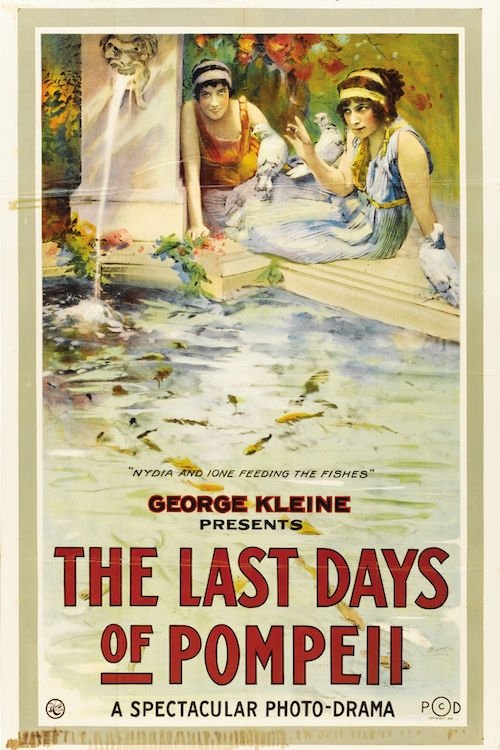
79 AD. In the city of Pompeii the young Glaucus loves beautiful Jone, although he's courted by Giulia and secretly loved by his blind slave Nidia. One day Glaucus is wrongly accused of murder by a priest of Isis, Arbace, who wants to marry Jone and please Giulia. Glauco is condemned to be devoured by lions in the arena of the city, on that very day the erupting Vesuvius. Jone ovvero gli ultimi giorni di Pompei (1913) was one of two major Italian productions of The Last Days of Pompeii done in 1913, and not to be confused by the more famous Gli ultimi giorni di Pompei (1913).
1908
1914
1913
1950
1959
1926
1935
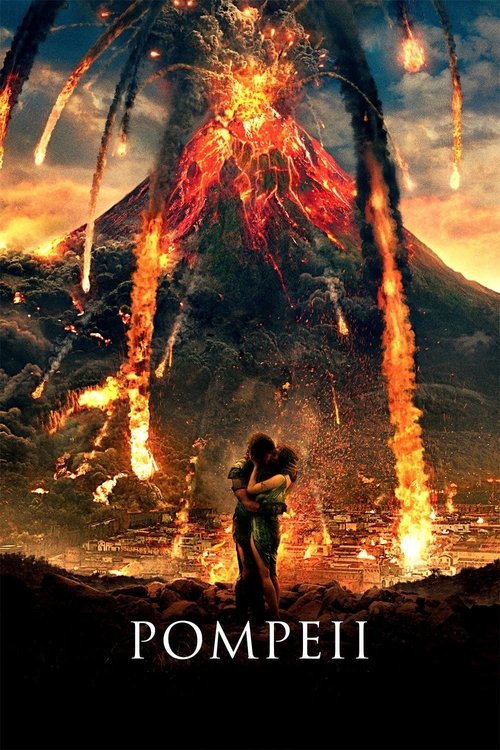
2014
No reviews yet. Be the first to share your thoughts on this movie!
Use the rating form above to leave a star rating and optional review.