Apocalypto
2006
No user ratings available yet
Representation score: 3.3 out of 10
Representation Score
Minimal
2014
PG-13Director
Paul W. S. Anderson
Runtime
105 minutes
Average Rating
No ratings yetNew Showbiz Analysis
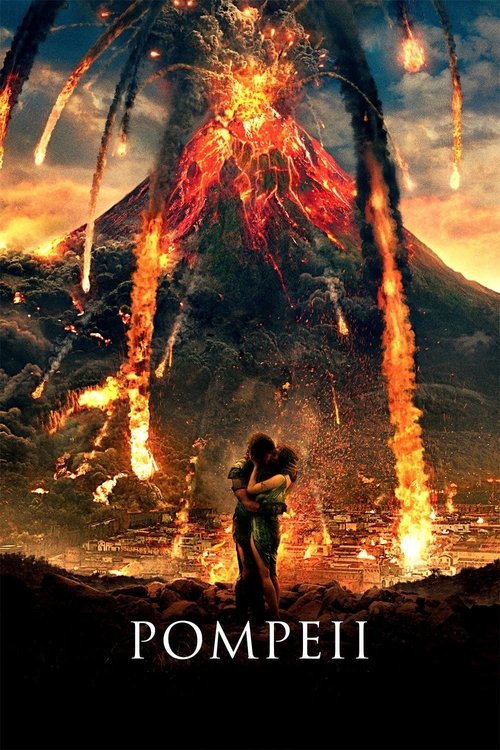
Pompeii operates as a conventional historical epic that prioritizes spectacle and survivalist action over progressive social exploration. The narrative architecture favors traditional heroic archetypes, focusing on a singular romantic bond and individual heroism. The film's approach to diversity is conservative, adhering to standard genre clichés. It lacks multi-layered depth, focusing instead on the socioeconomic divide between slaves and citizens within a homogeneous cast. While the film offers a critique of Roman corruption, it does so through a standard lens of imperial oppression rather than a systemic or ideological deconstruction of power structures.
Category Breakdown
The film follows a strictly heterosexual structure, with no queer identities present. The plot centers on a traditional romance between the male and female leads.
The story relies on the protector cliché, where the male protagonist drives the physical action. The female lead takes control by refusing a political marriage, but remains a figure to be rescued.
The cast is predominantly homogeneous, reflecting a traditional Western cinematic aesthetic. Social hierarchy is defined by class and status rather than ethnic or racial complexity.
The narrative critiques imperial authority by portraying the Roman ruling class as corrupt. This frames the state as an oppressive force rather than a benevolent institution.
There is no significant representation of characters with physical or invisible disabilities. The film does not engage with neurodivergence or impairment in its character development.
Present on Screen
Limited or Absent
Official Synopsis
In 79 A.D., Milo, a slave turned gladiator, finds himself in a race against time to save his true love Cassia, the beautiful daughter of a wealthy merchant who has been unwillingly betrothed to a corrupt Roman Senator. As Mount Vesuvius erupts in a torrent of blazing lava, Milo must fight his way out of the arena in order to save his beloved as the once magnificent Pompeii crumbles around him.
2006
1940
2010

1951
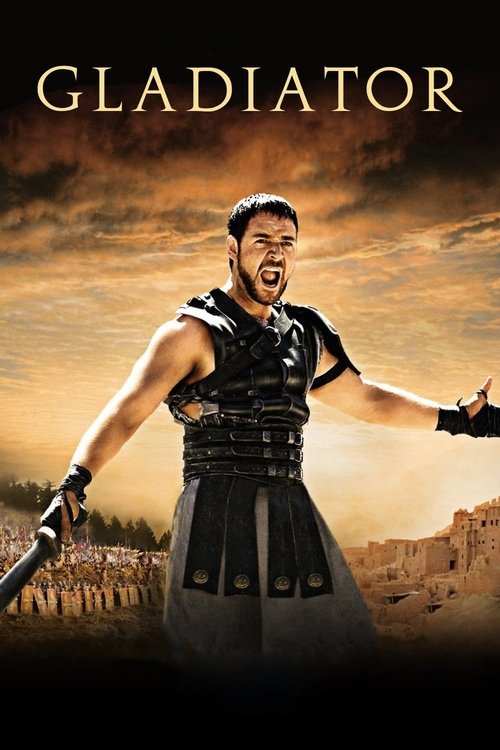
2000
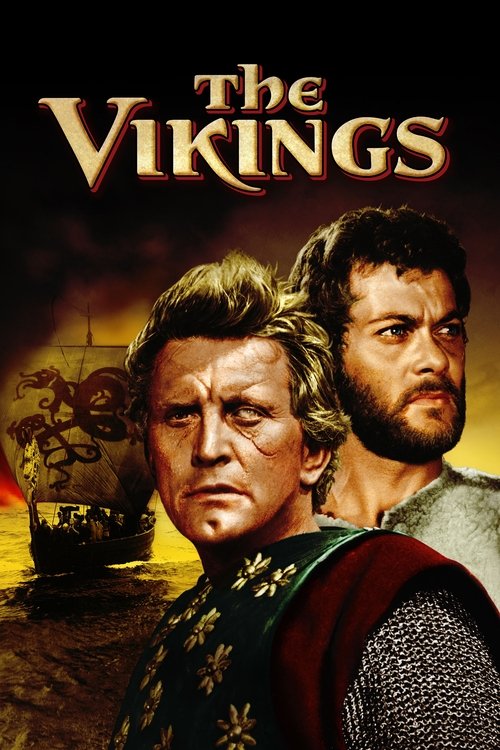
1958

2014
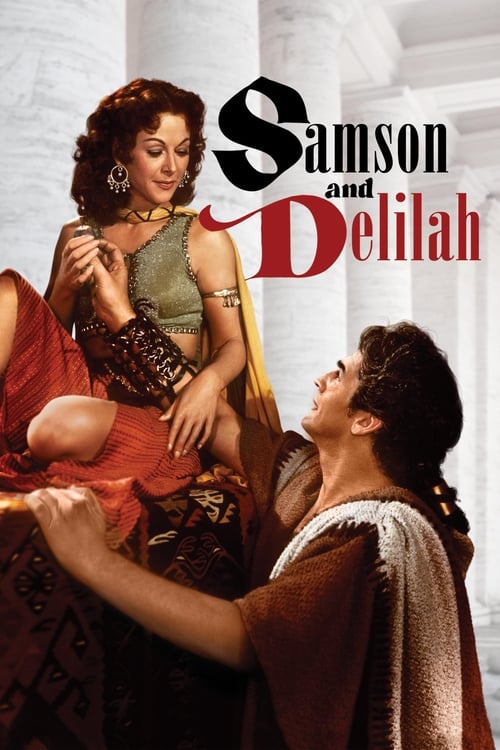
1949
No reviews yet. Be the first to share your thoughts on this movie!
Use the rating form above to leave a star rating and optional review.