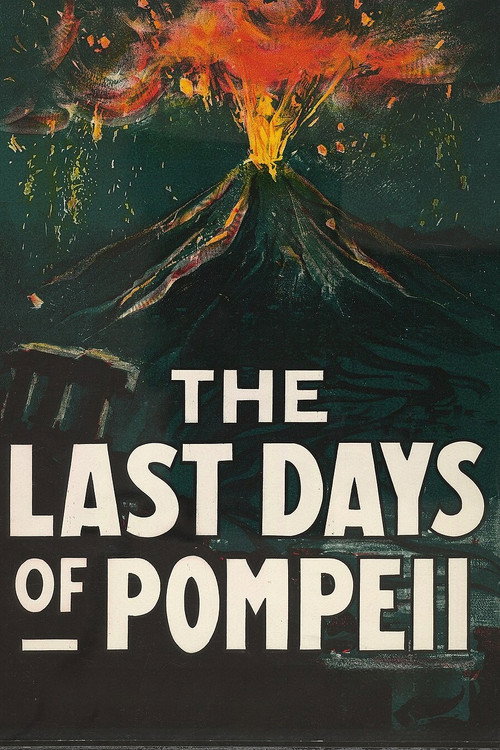
The Last Days of Pompeii
1913
No user ratings available yet
Representation score: 2.9 out of 10
Representation Score
Limited
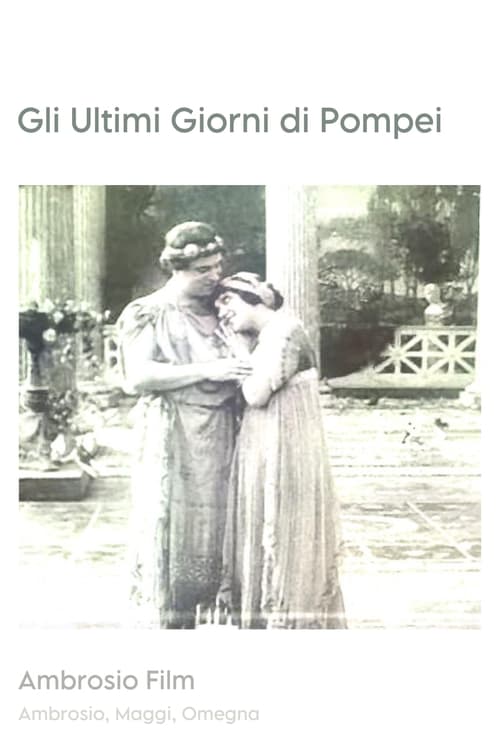
1908
Director
Arturo Ambrosio, Luigi Maggi
Runtime
19 minutes
Average Rating
No ratings yetNew Showbiz Analysis
This 1908 silent epic emphasizes historical spectacle and classical melodrama over social critique. While it includes diverse characters like an Egyptian priest and a blind slave, these elements serve to enhance the tragic narrative rather than challenge established norms. The film operates within a traditional framework, reinforcing the social hierarchies of ancient times. It focuses on fate and archetypal roles, maintaining the cinematic conventions of the early 20th century. Ultimately, the work functions as a grand historical drama where diversity is used as a narrative device for tragedy rather than a means of challenging existing power structures.
Category Breakdown
The film adheres to a traditional romantic storyline focused on straight relationships, with no representation of LGBTQ+ identities.
Female characters like Jone and Nydia play crucial emotional roles but have limited control over their own destinies, often defined by their relationships with men.
The inclusion of Arbaces, an Egyptian High Priest, adds ethnic diversity but his portrayal leans towards exoticized stereotypes rather than modern, nuanced representation.
The film highlights the tension between Roman and Egyptian religious figures but does not question the underlying societal structures, presenting rigid class hierarchies and slavery as part of historical context.
Nydia, who is blind, is a key character whose condition is central to the dramatic conflict. However, her character may be seen as a victim of circumstance due to her disability.
Present on Screen
Limited or Absent
Official Synopsis
Pompeii 79AD, mere days before the Vesuvian eruption. Glaucus and Jone are in love with each other. Arbaces, the Egyptian High Priest, is determined to conquer Jone. Glaucus purchases Nydia, the blind and long-suffering slave. Nydia falls in love with Glaucus and asks Arbaces for his help. He gives her a potion to make Glaucus fall in love with her-- In fact, a poison which will cause violent insanity.
1913
1914
1958
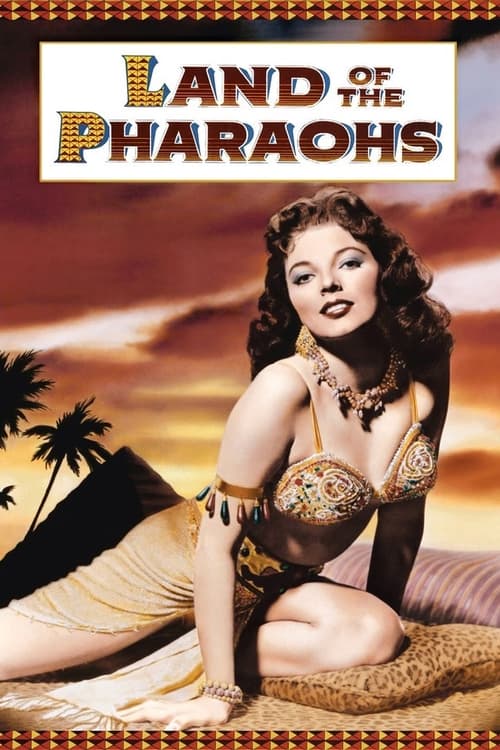
1955

1962
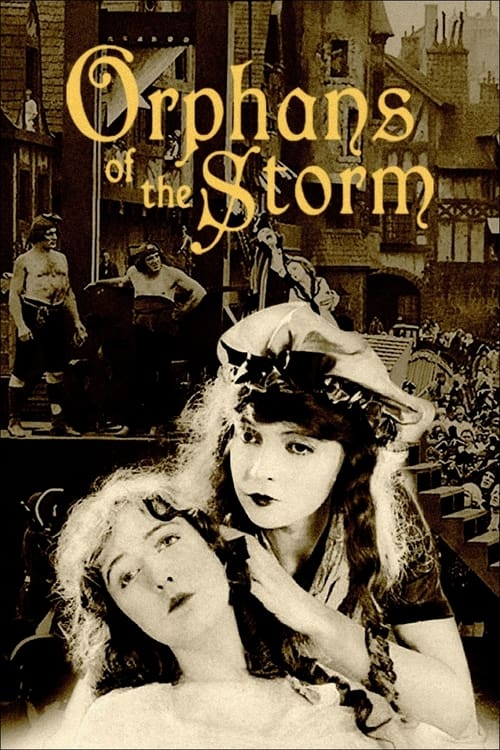
1921
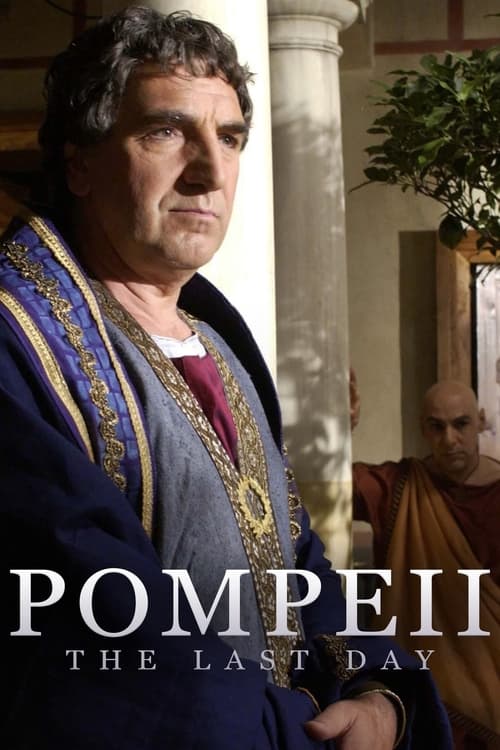
2003

2009
No reviews yet. Be the first to share your thoughts on this movie!
Use the rating form above to leave a star rating and optional review.