Julius Caesar
1909
No user ratings available yet
Representation score: 1.0 out of 10
Representation Score
Minimal
1914
Not RatedDirector
Giovanni Pastrone
Runtime
148 minutes
Average Rating
No ratings yetNew Showbiz Analysis
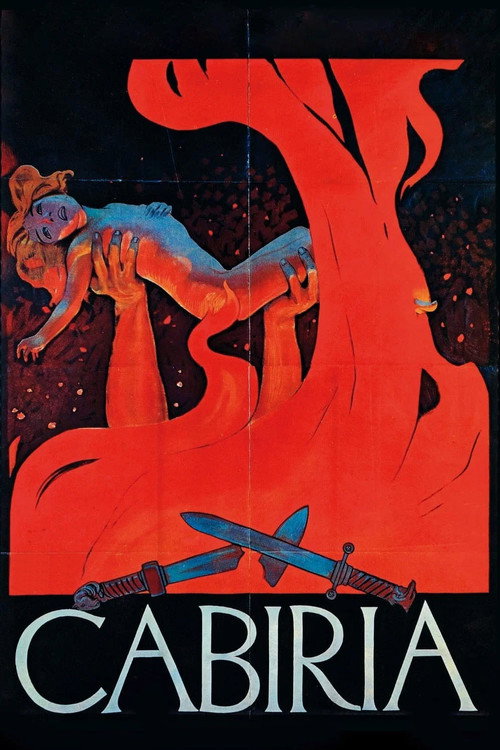
Giovanni Pastrone’s epic centers on large-scale historical tragedy and classical heroism rather than modern social deconstruction. While it skillfully stages geopolitical conflict, the narrative structure remains rooted in the traditional hierarchies of the early 20th century. The film excels at using spectacle to critique institutionalized religious violence and systemic cruelty. However, this thematic depth does not extend to diverse character representation. Ultimately, the work prioritizes the scale of the Punic Wars over addressing multi-layered identity. It functions as a foundational historical drama that lacks the intentionality needed to challenge contemporary social norms.
Category Breakdown
The film follows traditional heroic and familial structures without including non-assuming gender matches what was assigned at birth identities or same-sex relationships.
Cabiria serves as the emotional core, but her role is limited by her status as a victim. The plot is driven by male characters such as Maciste and Fulvius Axilla.
The setting highlights the tension between Roman and Carthaginian identities, presenting a multi-ethnic Mediterranean landscape through historical events.
The film criticizes institutionalized cruelty through rituals dedicated to Moloch. Religious authorities are portrayed as sources of terror and systemic oppression.
There are no identifiable depictions of physical, sensory, or neurodivergent disabilities in the narrative.
Present on Screen
Limited or Absent
Official Synopsis
Young Cabiria is kidnapped by pirates and sold as a slave in Carthage. Just as she's to be sacrificed to Moloch, Cabiria is rescued by Fulvius Axilla, a good-hearted Roman spy, and his powerful slave, Maciste. The trio are broken up as Cabiria is entrusted to a woman of noble birth. With Cabiria's fate unknown, Maciste punished for his heroism, and Fulvius sent away to fight for Rome, is there any hope of our heroes reuniting?
1909
1925
1913

1967
1962

1921

1908
1959
No reviews yet. Be the first to share your thoughts on this movie!
Use the rating form above to leave a star rating and optional review.