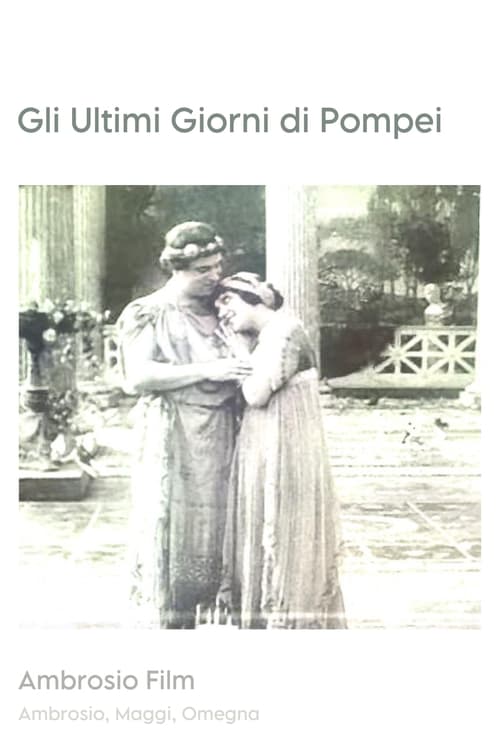
The Last Days of Pompeii
1908
No user ratings available yet
Representation score: 2.9 out of 10
Representation Score
Limited
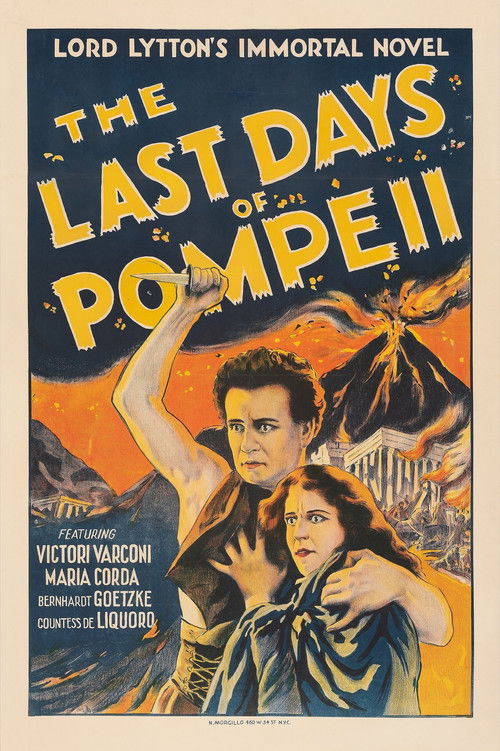
1926
Director
Carmine Gallone, Amleto Palermi
Runtime
196 minutes
Average Rating
No ratings yetNew Showbiz Analysis
The film is a classic historical epic that emphasizes grand spectacle and traditional melodrama over modern sociological analysis. It employs a narrative structure based on the social hierarchies of ancient Rome. While the film examines the conflict between the aristocracy and the enslaved, it does so through a lens of social class rather than progressive identity politics. The portrayal stays within the dramatic conventions of 1920s silent cinema. Ultimately, the film studies fate and passion, maintaining the conventional social and moral frameworks typical of its time.
Category Breakdown
The film follows 1920s romantic melodrama traditions. It centers on a heterosexual relationship with no indication of diverse gender identities or same-sex relationships.
Female characters play central emotional roles, but their influence is closely tied to male characters. The film upholds traditional gender power structures without challenging them.
The cast mirrors a Mediterranean society within ancient Rome. The story highlights social classes, such as the aristocracy and enslaved, but does not delve into ethnic diversity.
This historical drama emphasizes fate and human emotions. It adheres to the moral frameworks of early 20th-century epic cinema without critiquing contemporary institutions.
The plot focuses on underrepresented groups like the enslaved. There are no characters with disabilities portrayed as central figures or objects of ridicule.
Present on Screen
Limited or Absent
Official Synopsis
Carmine Gallone and Amleto Palermi’s The Last Days of Pompeii 1926 stages in sumptuous colour tinting the epic fall of the ancient city buried by Mount Vesuvius’ eruption. Adapted from Edward Bulwer-Lytton’s love story, the film was innovative in its special effects and an early major box-office hit. A beautiful tinted restoration print was prepared using photochemical processes by Centro Sperimentale di Cinematografia-Cineteca Nazionale in the mid-1990s and the premiere screening of the restoration print was held in the amphitheatre in Pompeii, followed by a screening at the major restoration festival ‘Il Cinema Ritrovato’ in Bologna in 1998.
1908
1927
2003
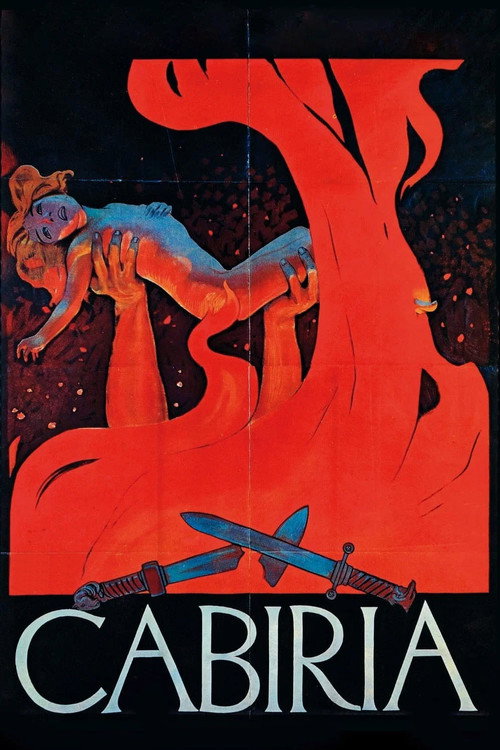
1914
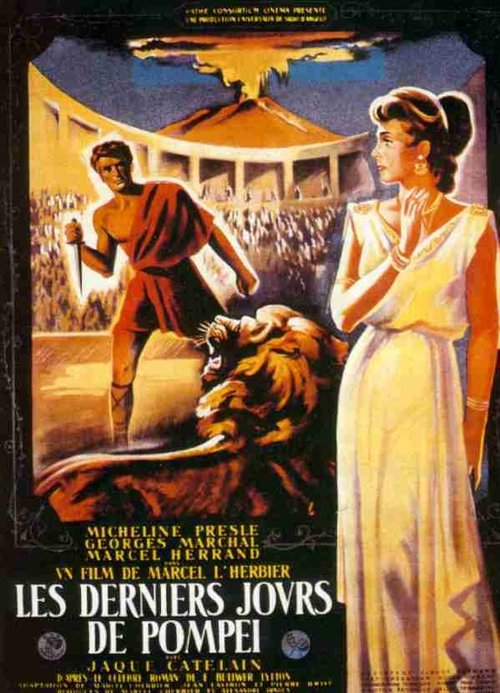
1950
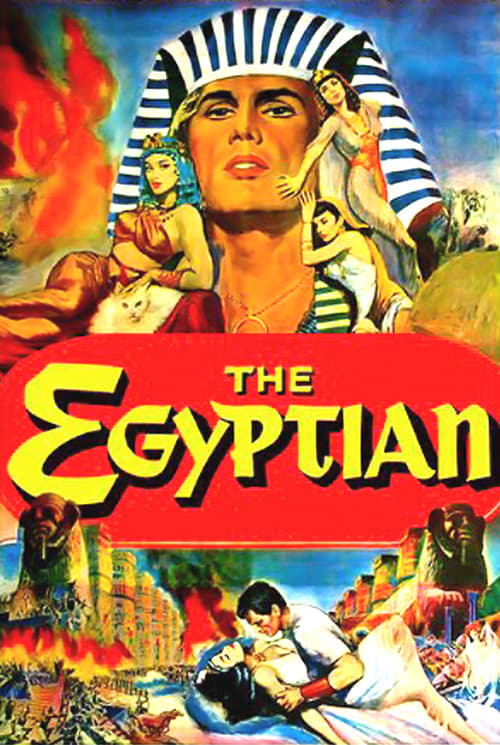
1954

1959
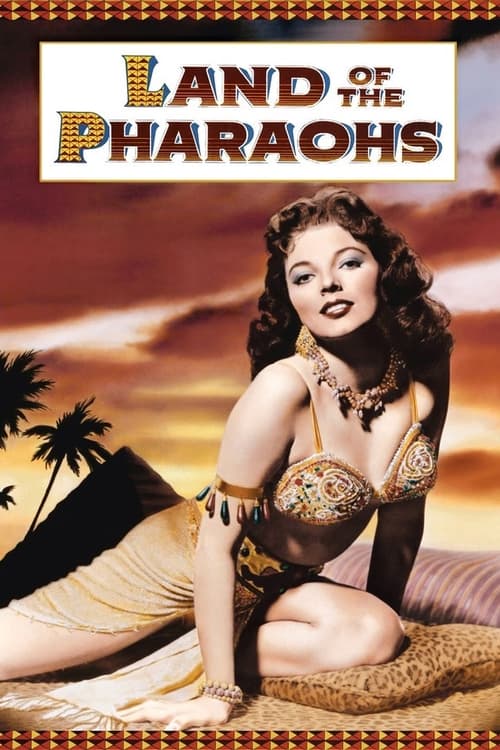
1955
No reviews yet. Be the first to share your thoughts on this movie!
Use the rating form above to leave a star rating and optional review.