The Last Days of Pompeii
1908
No user ratings available yet
Representation score: 2.9 out of 10
Representation Score
Limited
1913
Director
Eleuterio Rodolfi, Mario Caserini
Runtime
106 minutes
Average Rating
No ratings yetNew Showbiz Analysis
This 1913 silent epic operates as a traditional melodrama, emphasizing historical spectacle and classical tragedy over contemporary multi-layered themes. While it features diverse elements such as an Egyptian priest and a blind protagonist, these characters frequently serve established plot functions rather than deep identity exploration. The film upholds the social hierarchies and gender roles typical of early 20th-century cinema. It lacks the intentional subversion of power dynamics needed to transcend the era's conventional narrative structure.
Category Breakdown
The film focuses on a relationship between Glaucus, Nydia, and Ione, which follows traditional heterosexual norms. There are no representations of non-binary or LGBTQ+ identities.
Female characters play key emotional roles, but their influence is often defined by their relationships to the male protagonist. The narrative relies heavily on the male character as the main driver of events.
The inclusion of Arbace, an Egyptian high priest, introduces a non-Western character. However, his role primarily serves as a plot device related to religious mysticism.
The story is set within the context of Roman religious practices and social hierarchies. These elements are used as a backdrop for the tragic storyline without critically examining the underlying societal structures.
Nydia is explicitly described as blind, adding a layer of disability to her character. However, her blindness often serves as a reason for the protagonist's acts of kindness.
Present on Screen
Limited or Absent
Official Synopsis
Well-respected Pompeiian Glaucus performs an act of kindness by purchasing Nydia, a blind slave being mistreated by her owner. Nydia falls in love with her new master, but he only has eyes for Ione. Ione in turn is lusted after by Arbace, an Egyptian high priest of Isis. When Nydia beseeches Isis for help in capturing Glaucus' heart, Arbace gives her a "love" potion-- an elixir made to drive Glaucus mad, securing Ione for himself. Ultimately, Mount Vesuvius will end their lives and seal their fates in a terrible, glorious eruption.
1908
1914
1950
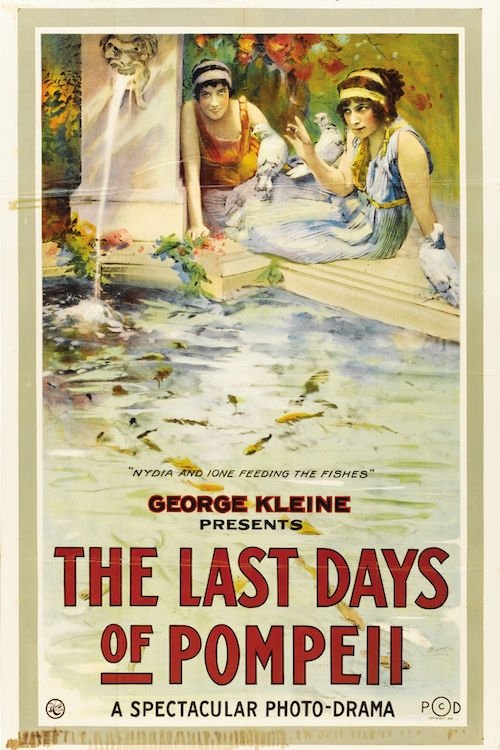
1913
1979
1964
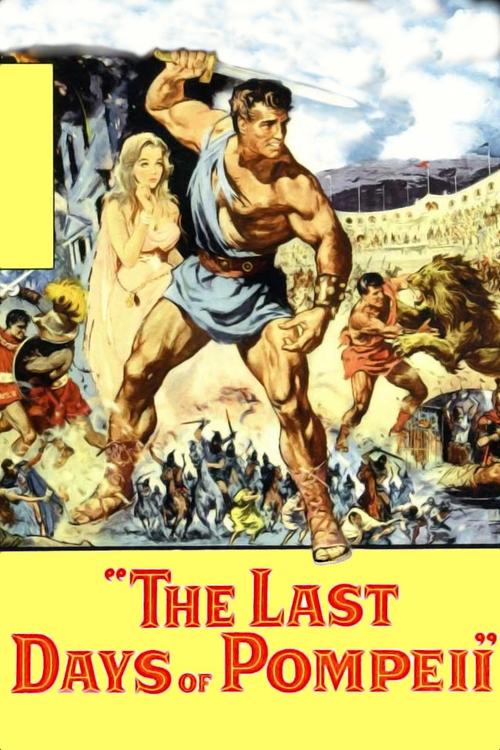
1959
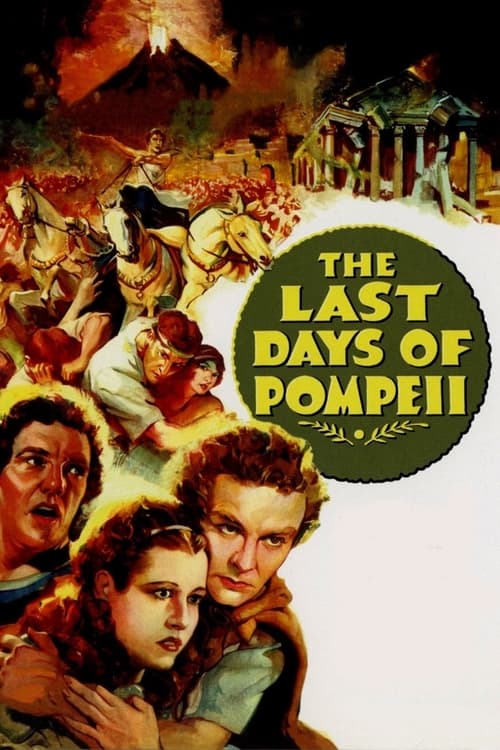
1935
No reviews yet. Be the first to share your thoughts on this movie!
Use the rating form above to leave a star rating and optional review.