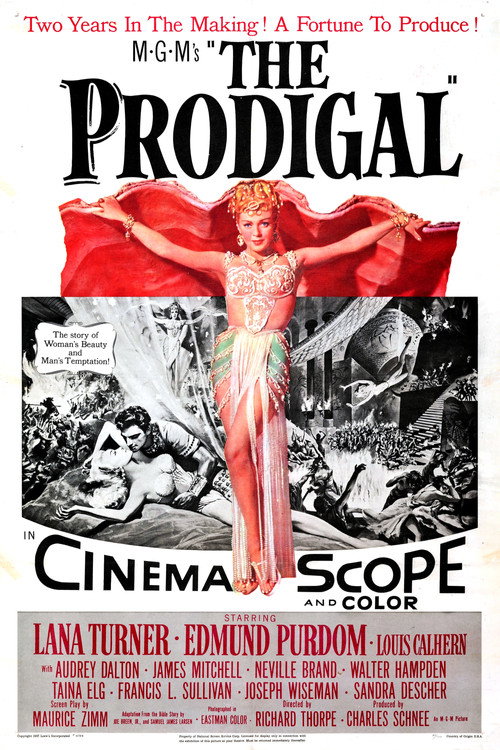
The Prodigal
1955
No user ratings available yet
Representation score: 0.3 out of 10
Representation Score
Limited
1935
NRDirector
Ernest B. Schoedsack
Runtime
96 minutes
Average Rating
No ratings yetNew Showbiz Analysis
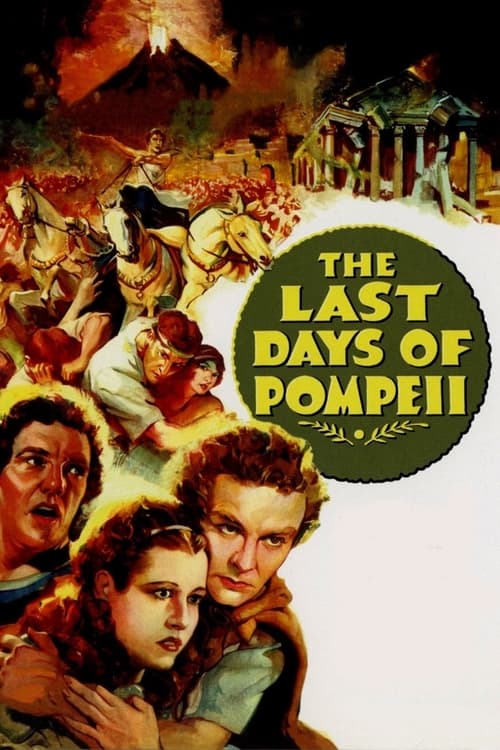
This historical epic follows a traditional path of individual upward mobility, from blacksmith to gladiator during the eruption of Vesuvius. The story prioritizes visceral adventure and the tension between Roman structures and emerging Christianity. The film operates within the conventional narrative structures of the 1930s. It emphasizes patriarchal power and individual achievement within a hierarchical system rather than challenging social norms. Ultimately, the production functions as a standard mid-century spectacle, focusing on high-stakes action and historical clichés rather than diverse representation.
Category Breakdown
The story focuses on traditional Roman social hierarchies and family lines. There are no non-binary or LGBTQ+ identities or critiques of heteronormativity.
The narrative emphasizes the male protagonist's journey through labor, combat, and power. Women are present but their roles are secondary to the male experience of patriarchy.
The film likely follows 1935 casting practices, featuring Eurocentric portrayals of ancient times. It reflects the homogeneous casting standards typical of early Hollywood.
The film examines the conflict between the Roman state and early Christianity. This serves as a historical portrayal of religious tension rather than a modern critique of institutions.
There is no indication that neurodivergence or physical disabilities are integrated into character arcs with meaningful roles. Physical struggles are used as plot devices rather than explored in depth.
Present on Screen
Limited or Absent
Official Synopsis
In this action-filled spectacle set in ancient Pompeii, a blacksmith becomes a Roman gladiator, though his rise to wealth and power is jeopardized by his son's Christianity and the eruption of Vesuvius.
1955
1925
1959

1951
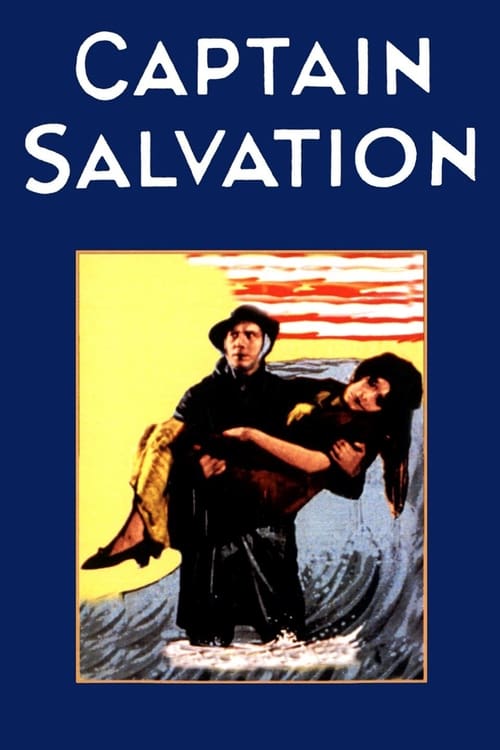
1927
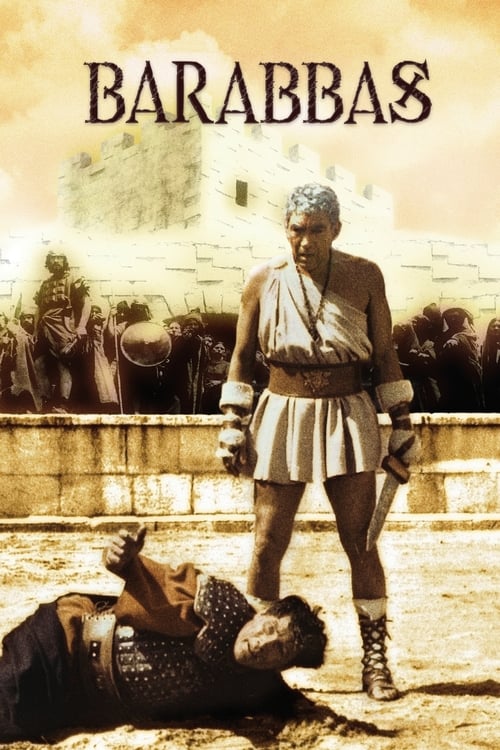
1961
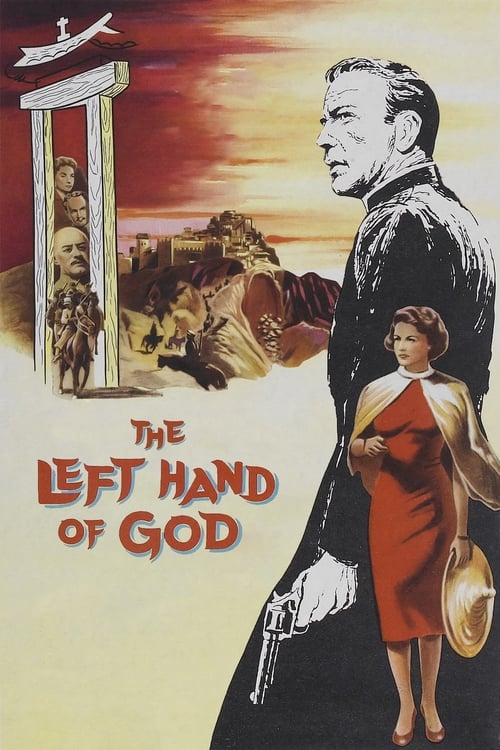
1955
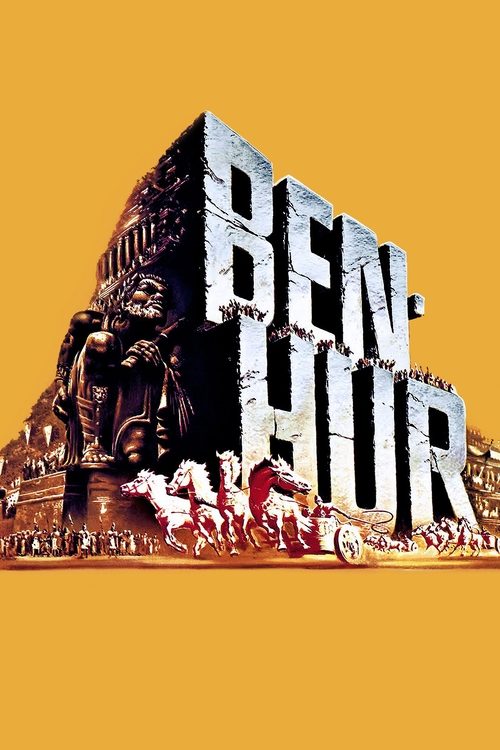
1959
No reviews yet. Be the first to share your thoughts on this movie!
Use the rating form above to leave a star rating and optional review.