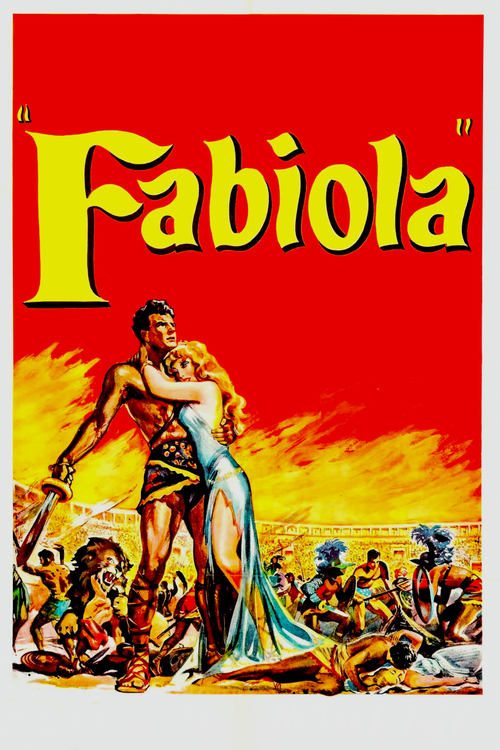
Fabiola
1949
No user ratings available yet
Representation score: 2.5 out of 10
Representation Score
Limited
1950
Director
Paolo Moffa, Marcel L'Herbier
Runtime
103 minutes
Average Rating
No ratings yetNew Showbiz Analysis
The film operates as a classical historical melodrama, emphasizing romantic destiny and tragic fate. Its narrative structure relies on established mid-century formulas rather than exploring multiple aspects of identity. While the film touches on class through the inclusion of a slave character, it does not deconstruct racialized power dynamics. The central conflict remains a struggle between individual desires and institutional authority. Ultimately, the work adheres to traditional Western storytelling, reinforcing existing social and religious hierarchies.
Category Breakdown
The story focuses on a romance between Lycias and Helen, which follows traditional heterosexual norms. There are no characters with non-binary gender identities or critiques of traditional social hierarchies.
Helen serves as the female protagonist, but her role is primarily defined by her relationship to the male lead. Her influence and actions are constrained by the existing patriarchal structures.
The setting emphasizes classical European aesthetics. While a slave character introduces class struggle, there is no evidence of diverse racial representation.
The plot explores a conflict involving the priesthood of Isis. However, the narrative portrays corruption as an individual failing rather than a systemic issue.
There is no evidence of characters with visible or invisible disabilities within the narrative.
Present on Screen
Limited or Absent
Official Synopsis
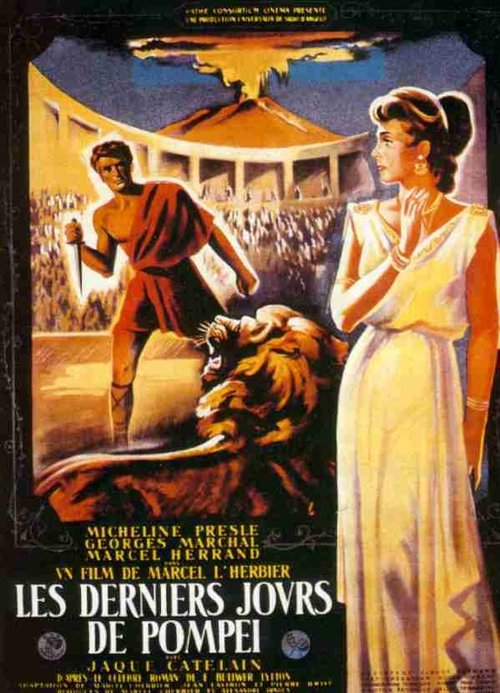
In Pompeii in the year 79, Lycias and Helen fall in love. Helen's guardian, the high priest of Isis, wants to separate them. To do so, he tries to make Lycias drink a love potion, but a young slave threatens to reveal everything. The high priest, unable to silence her, kills her and arranges to have Lycias accused...
1949
1954
1908

1951
1959
1963
1909

2021
No reviews yet. Be the first to share your thoughts on this movie!
Use the rating form above to leave a star rating and optional review.