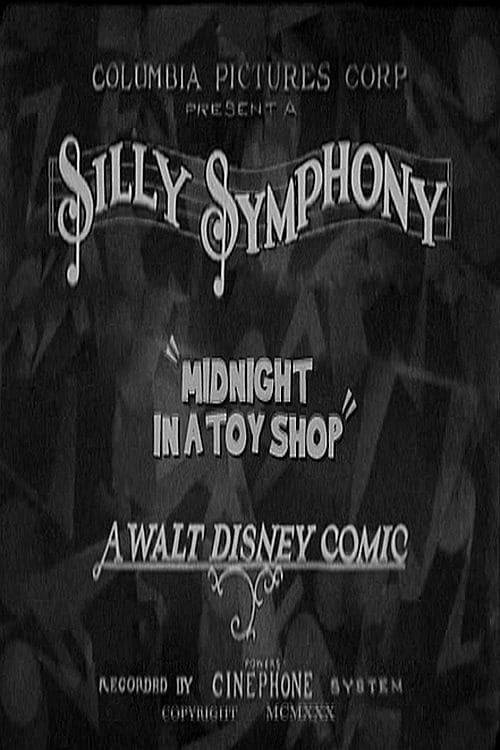
Midnight in a Toy Shop
1930
No user ratings available yet
Representation score: 0.4 out of 10
Representation Score
Minimal
1934
NRDirector
Wilfred Jackson
Runtime
8 minutes
Average Rating
No ratings yetNew Showbiz Analysis
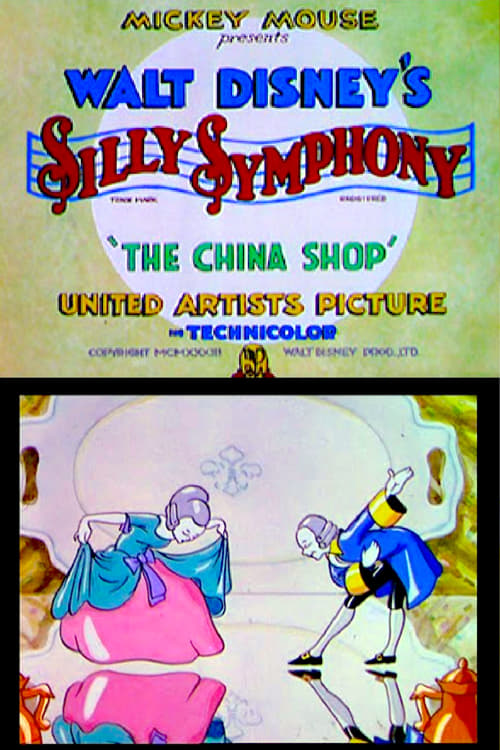
The China Shop adheres to traditional storytelling methods of its time, emphasizing established social hierarchies and straight-centered ideals. The narrative relies on classical storytelling clichés that reinforce these hierarchies and traditional gender roles. Since the film was made before modern frameworks of identity-based storytelling emerged, it lacks the complexity of multi-layered character development. The character types and moral resolutions reflect the standard Western-centric values of 1930s animation.
Category Breakdown
The story focuses on a romance between an upper-class lady and her lord, reinforcing traditional, heterosexual relationships without showing any queer intimacy.
The lady is portrayed as a passive figure needing rescue, while the lord acts as her protector, upholding traditional gender roles.
The film features upper-class, European-coded characters and follows a homogeneous, Western-centric storyline typical of 1930s animation.
The story uses a classic moral framework where good triumphs over evil, resolving through order overcoming chaos, which aligns with traditional Western storytelling values.
There are no characters with visible or invisible disabilities in the film.
Present on Screen
Limited or Absent
Official Synopsis
The elderly owner of a china shop leaves for the night, and the various figurines and decorated mugs come to life. A demonic figure captures an upper-class lady and does battle with her lord, damaging much of the shop. But the demon proves to have a glass jaw and, literally, a yellow streak, and the happy couple is soon reunited. No dialogue, but some signs are in English, particularly the final punch-line.
1930
1934

1931
1931
1933
1939
1931
1948
No reviews yet. Be the first to share your thoughts on this movie!
Use the rating form above to leave a star rating and optional review.