Chips Off the Old Block
1942
No user ratings available yet
Representation score: 1.1 out of 10
Representation Score
Minimal
1938
ApprovedDirector
Robert Allen
Runtime
9 minutes
Average Rating
No ratings yetNew Showbiz Analysis
This 1938 animation functions as a standard period piece, adhering to the social and narrative constraints of its era. It prioritizes a sentimental, character-driven moral arc centered on domestic life rather than attempting to disrupt social hierarchies. The film lacks intentionality regarding diverse representation. Instead, it relies on conventional clichés, such as a traditional household structure and a homogeneous domestic setting, reflecting the industry standards of the time.
Category Breakdown
The film does not include any characters with LGBTQ+ identities or same-sex relationships. The story focuses entirely on a domestic relationship between a child and a pet.
Gender roles follow traditional domestic hierarchies. Mama serves as the household authority, while the Captain exercises control through secret actions to bypass her rules.
The setting appears homogeneous, defaulting to a conventional Western family unit. There is no evidence of racial diversity or non-white majority casting.
The narrative reinforces traditional Western familial structures and domestic order. It centers on a sentimental moral arc rather than critiquing social or religious institutions.
There is no indication of characters having visible or invisible disabilities. The plot remains strictly focused on the interaction between the Captain and the dog.
Present on Screen
Limited or Absent
Official Synopsis
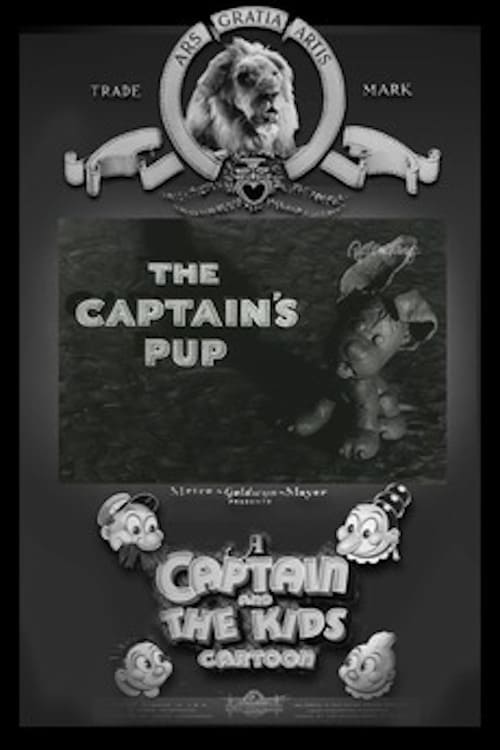
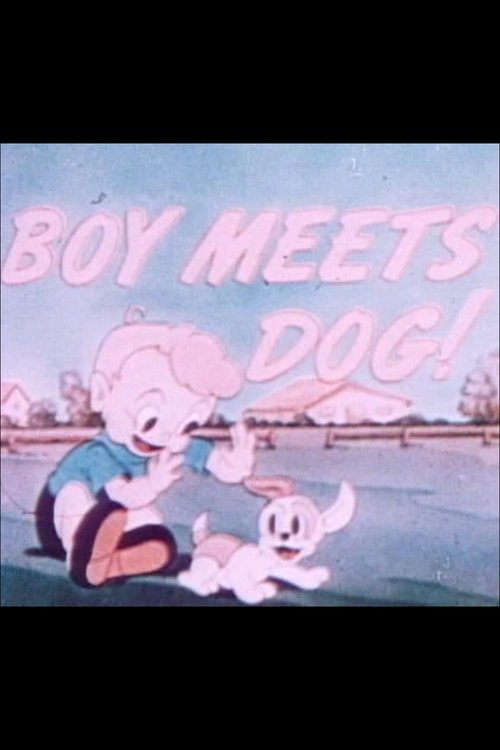
The mangiest pup at Pete's Pooch Palace catches the Captain's eye. He takes it home, but Mama is less than thrilled; she forbids it to stay in the house. The Captain pretends to put it out, but hides it under his coat. At the dinner table, though, it is soon exposed. Confined to the back yard, the dog howls the night away. The Captain is sent outside to quiet it, but is too tired to make it out the door. He finally gets there and sneaks the dog back inside to his own bed.
1942
1949

1935
1940
1941
1954
1939
1938
No reviews yet. Be the first to share your thoughts on this movie!
Use the rating form above to leave a star rating and optional review.