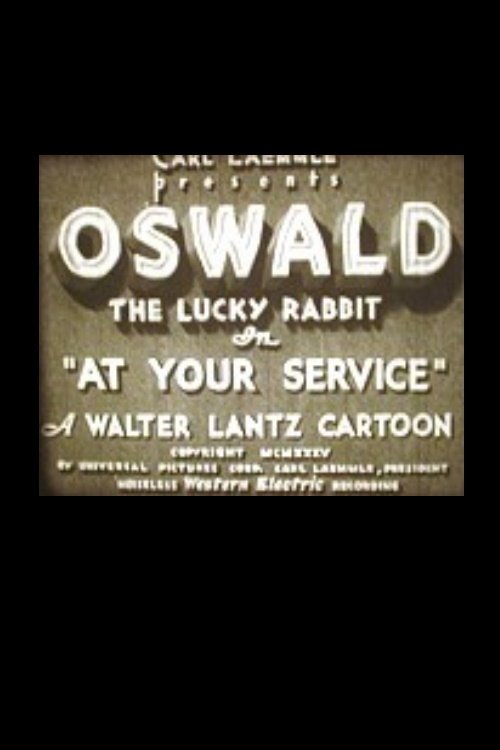
At Your Service
1935
No user ratings available yet
Representation score: 0.7 out of 10
Representation Score
Minimal
1933
PassedDirector
William Nolan
Runtime
7 minutes
Average Rating
No ratings yetNew Showbiz Analysis
The Zoo is a product of the early 1930s animation era, characterized by slapstick humor and standardized character types. The film does not exhibit any progressive intent or storytelling that reflects multiple aspects of identity. Instead, it mirrors the social structures of its time. Representation across various categories is limited or absent. The narrative structure follows traditional hierarchies, failing to disrupt social norms or provide meaningful ability to act to underrepresented groups. Overall, the film exemplifies non-subversive animation from the era, prioritizing established comedic frameworks over any form of systemic critique or diverse representation.
Category Breakdown
The film does not include any characters with non-binary or LGBTQ+ identities, nor does it depict any same-sex relationships. It follows the strict heterosexual norms typical of 1930s animation.
Gender roles in the film align with traditional hierarchies common to the era. Women do not have prominent roles or control over the plot.
The short features characters that are uniform in appearance, reflecting the homogeneous models typical of early animation. It does not showcase diverse casting or characters who reflect more than one aspect of diversity.
The narrative adheres to the standard comedic frameworks of the early 1930s. It does not offer any critique of Western social norms or institutions.
Characters with disabilities are not shown taking active roles or making independent decisions. Physical impairments are used as comedic elements rather than being portrayed with nuance.
Present on Screen
Limited or Absent
Official Synopsis
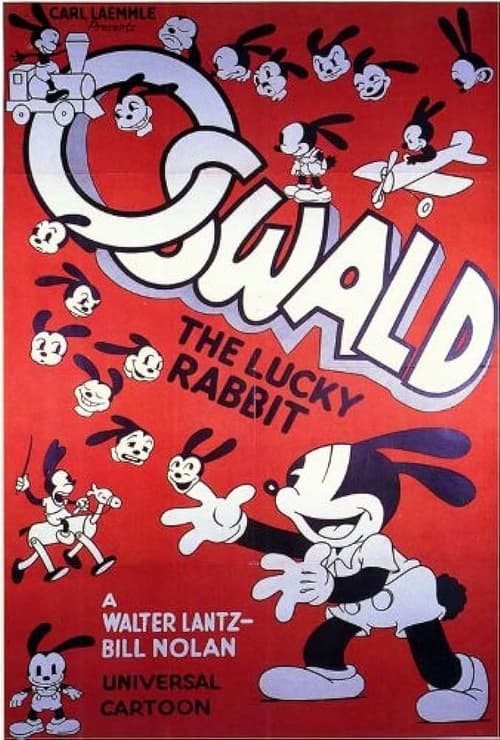
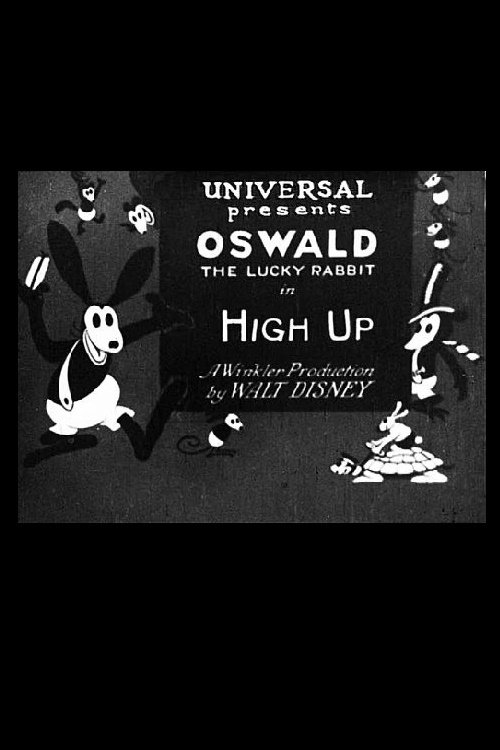
A Oswald the Lucky Rabbit cartoon.
1935
1935
1934
1935
1934
1928

1936
1931
No reviews yet. Be the first to share your thoughts on this movie!
Use the rating form above to leave a star rating and optional review.