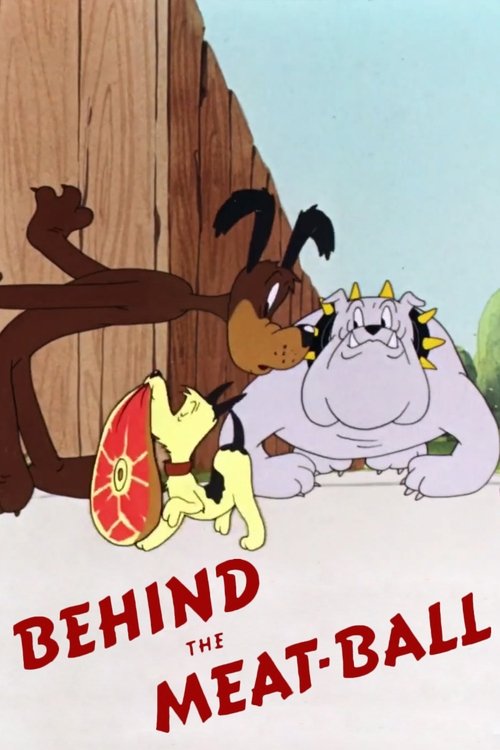
Behind the Meat-Ball
1945
No user ratings available yet
Representation score: 1.6 out of 10
No Poster Available
Representation Score
Minimal
1937
ApprovedDirector
George Gordon
Runtime
7 minutes
Average Rating
No ratings yetNew Showbiz Analysis
The Dog and the Bone adheres to a simple, moralistic fable structure typical of its time. The story emphasizes a straightforward lesson on greed using anthropomorphized characters. The narrative prioritizes a traditional journey of temptation and loss, lacking complexity in social or identity-based themes. Limited by the constraints of its era, the film offers a straightforward moral message but does not explore diverse identities or social issues.
Category Breakdown
The film features a dog and a supernatural imp. There are no characters with non-conforming gender identities or same-sex relationships.
The story revolves around a dog and a devilish figure. Since the characters are animals, there is no exploration of human gender roles or hierarchies.
The sepia tone restricts visual diversity. An Italian restaurant setting does not provide a deeper look into ethnic identity.
The plot follows a traditional moral tale about greed and temptation. The imp reinforces conventional lessons without challenging cultural norms.
There is no depiction of characters with physical or cognitive differences. The narrative does not involve characters with disabilities.
Present on Screen
Limited or Absent
Official Synopsis
In this first (and close to the last) cartoon done in Sepia Tone, Puddy the Pup is walking along with a bone in his mouth and, while crossing on a log running over a stream he sees the magnified reflection of the bone in the water. An impish devil appears and urges him to drop his bone and dive into the water after the bigger one. He does and finds nothing while losing his bone. He finds another bone at an Italian restaurant and as he returns over the same stream the imp appears again. Will Puddy be fooled again?
1945
1932
1942

1949
1939
1940
1937
1945
No reviews yet. Be the first to share your thoughts on this movie!
Use the rating form above to leave a star rating and optional review.