Midnight in a Toy Shop
1930
No user ratings available yet
Representation score: 0.4 out of 10
Representation Score
Minimal
1931
NRDirector
Wilfred Jackson
Runtime
7 minutes
Average Rating
No ratings yetNew Showbiz Analysis
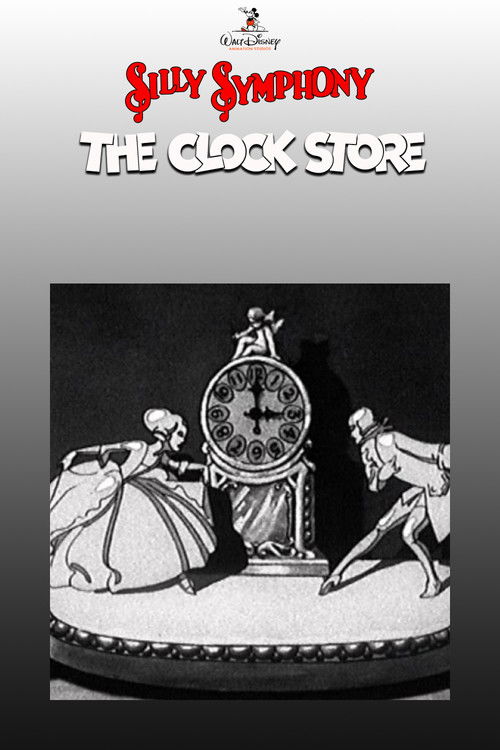
The Clock Store is a technical animation focused on rhythmic synchronization rather than a character-driven narrative. By focusing on anthropomorphic clocks and watches, the film sidesteps human social dynamics. Though the use of non-human characters avoids racial caricatures, it also means there is no human representation. The film prioritizes aesthetic and rhythmic innovation over any social or cultural commentary. Overall, the work adheres to the entertainment standards of the 1930s, presenting a pleasant, stable novelty that does not challenge established social norms.
Category Breakdown
The film features only inanimate objects like clocks and watches. There are no representations of LGBTQ+ identities or same-sex relationships.
The characters are mechanical objects driven by musical rhythms. The film does not show any female-led ability to act or challenge traditional gender roles.
The cast includes non-human entities in a retail environment. While this avoids human racial stereotypes, there is no representation of diverse ethnic identities.
The short is a playful exploration of rhythmic stability. It does not address any religious themes or cultural critiques.
The story revolves around synchronized mechanical movements. There is no depiction of physical, sensory, or neurodivergent disabilities.
Present on Screen
Limited or Absent
Official Synopsis
The various clocks and watches in a clock store dance, ring alarms musically, and otherwise entertain us in an after hours presentation.
1930
1932
1929
1934
1934
1940

1929
1933
No reviews yet. Be the first to share your thoughts on this movie!
Use the rating form above to leave a star rating and optional review.