
Alice the Piper
1924
No user ratings available yet
Representation score: 1.2 out of 10
No Poster Available
Representation Score
Minimal
1937
ApprovedDirector
Walter Lantz
Runtime
7 minutes
Average Rating
No ratings yetNew Showbiz Analysis
The film is a product of the 1930s Golden Age of animation, emphasizing slapstick humor and episodic adventures over social complexity. The narrative is driven by a singular male protagonist, Oswald, who resolves a magical conflict. Representation is limited by the era's reliance on archetypal characters. While the genie introduces non-Western folklore elements, these serve as generic plot devices rather than meaningful cultural explorations. The focus remains on traditional Western storytelling structures. Ultimately, the film lacks intentionality regarding diverse representation. It functions as a standard comedic short centered on magical chaos and physical comedy.
Category Breakdown
The film does not depict any non-binary or LGBTQ+ identities. The character interactions follow traditional heterosexual and cisgender comedic clichés typical of the 1930s.
Oswald the Rabbit is the main male character driving the plot. There are no female characters shown taking a significant role in the story.
The cast includes anthropomorphic animals and mythological creatures. The genie is used as a generic magical element rather than a detailed exploration of ethnic identity.
The story relies on Western archetypes like genies and devils to create a morality-based plot. It follows a standard heroic arc of good versus evil.
The film does not depict any physical or neurodivergent characters. There are no disability-related clichés or roles in the narrative.
Present on Screen
Limited or Absent
Official Synopsis
Oswald the Rabbit goes snooping around a junk yard with his dog, Doxie. He fins a bottle marked "The Magic Jug," and when he uncorks it out jumps a genii with his magic wand. The genii them proceeds to transform all the pictures on the ad labels of the old tin cans into live people. They organize a dancing and singing party, but the devil with a pitch fork, from a deviled ham can, steals the genii's wand and starts to mess things up. Oswald saves the day.
1924
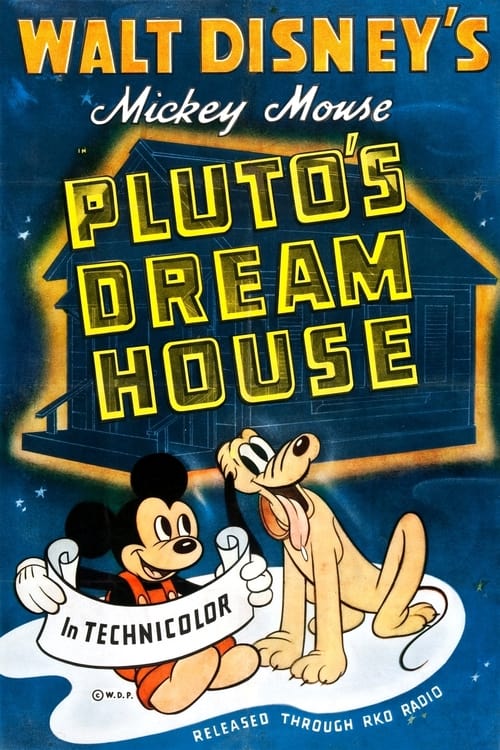
1940
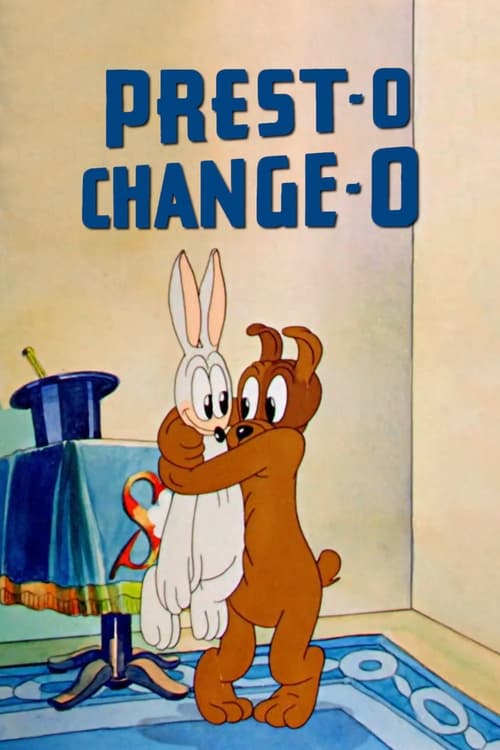
1939
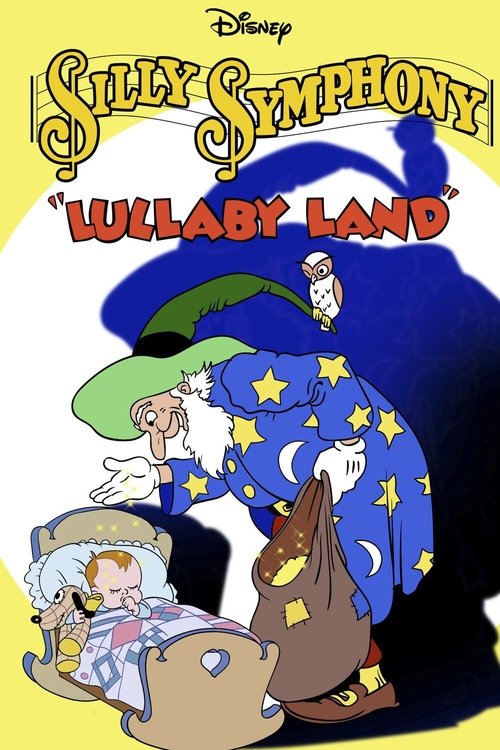
1933
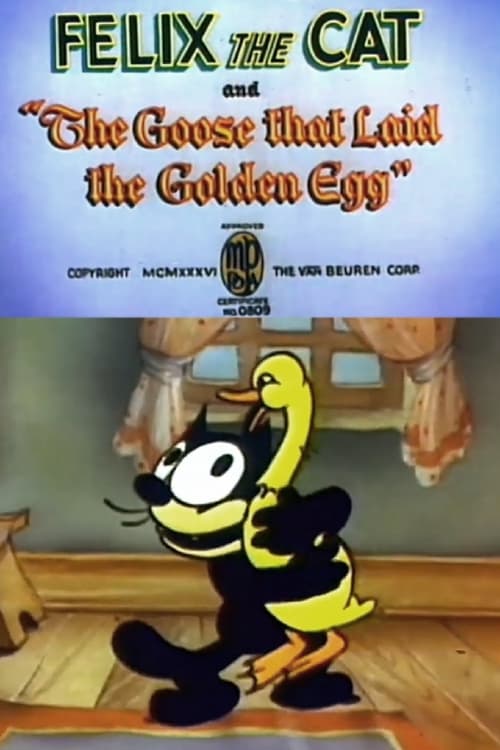
1936
1937
1933
1927
No reviews yet. Be the first to share your thoughts on this movie!
Use the rating form above to leave a star rating and optional review.