Puppy Love
1933
No user ratings available yet
Representation score: 1.1 out of 10
Representation Score
Minimal
1932
Director
Wilfred Jackson
Runtime
7 minutes
Average Rating
No ratings yetNew Showbiz Analysis
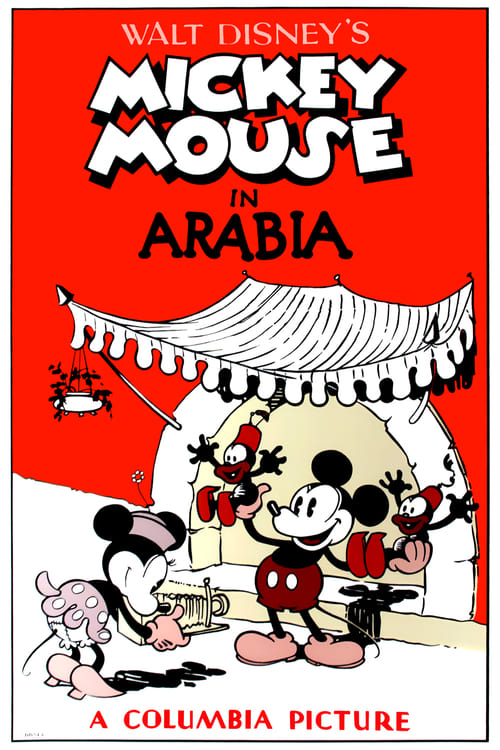
Mickey in Arabia reflects the cultural norms and social hierarchies prevalent in 1930s animation. The film emphasizes physical comedy and slapstick humor over nuanced representation of diverse identities. The depiction of the Middle East is oversimplified, relying on caricatures and reductive visual shorthand rather than cultural nuance. This approach fails to engage with the complexities of the region. Overall, the film upholds traditional gender roles and straight-centered structures, offering limited subversion of dominant social norms and minimal representation of diverse lived experiences.
Category Breakdown
The film does not include any representations of LGBTQ+ identities or relationships. The plot centers around a traditional romance between a male antagonist and a female character.
Gender roles in the film adhere to early 20th-century norms, where Mickey is the active protagonist and Minnie is the passive object of desire and plot catalyst.
The film uses exaggerated and stereotypical visual shorthand to depict an Arabian setting, lacking any nuanced ethnic or cultural depth.
The film presents a simplified and Western-centric view of the Middle East, focusing on slapstick comedy rather than cultural complexity.
The film does not portray any visible or invisible disabilities. Characters are depicted using standard cartoon archetypes without addressing physical or neurodivergent impairments.
Present on Screen
Limited or Absent
Official Synopsis
Mickey and Minnie are touring Arabia when she catches the eye of sheik Pete.
1933
1933
1936
1934

1932

1936
1935
1937
No reviews yet. Be the first to share your thoughts on this movie!
Use the rating form above to leave a star rating and optional review.