Slumberland Express
1936
No user ratings available yet
Representation score: 2.1 out of 10
Representation Score
Minimal
1933
NRDirector
Wilfred Jackson
Runtime
7 minutes
Average Rating
No ratings yetNew Showbiz Analysis
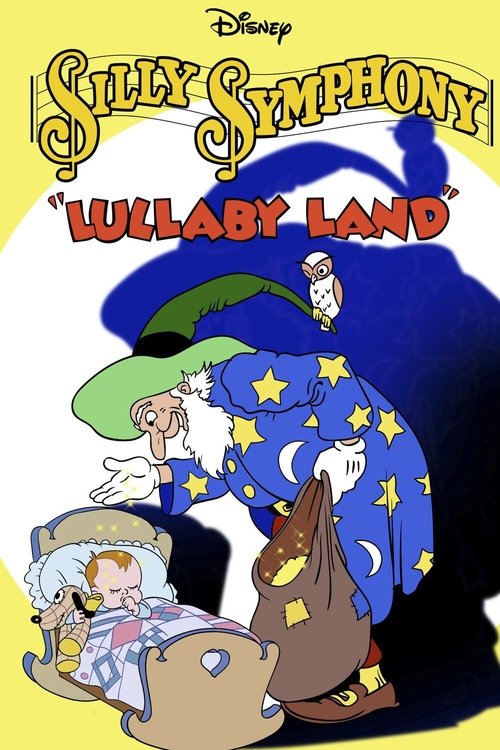
Lullaby Land is a product of early 1930s animation, prioritizing surreal escapism over social commentary. The narrative revolves around whimsical, anthropomorphic objects and a singular infant protagonist, leaving little room for complex identity exploration. The film adheres to traditional Western folklore and nursery archetypes. By focusing on a safe, domestic fantasy world, it avoids engaging with diverse human experiences or challenging established social hierarchies. Ultimately, the work functions as pure entertainment for a young audience. It lacks the narrative structure needed to represent diverse human experiences or challenge established social norms.
Category Breakdown
The film does not include any LGBTQ+ characters or non-straight identities. It focuses on a traditional, non-sexualized nursery fantasy world centered on an infant.
Gender does not play a central role in the plot since the main character is a baby. The Sandman is portrayed as a traditional, benevolent authority figure.
The setting is a homogeneous, stylized fantasy world. There is no indication of a diverse human cast or the exploration of racial identities.
The narrative upholds Western nursery clichés and folklore, such as the Sandman. It emphasizes traditional views of childhood innocence and authority.
The film does not feature characters with visible or invisible disabilities. The focus remains on physical comedy involving an infant and sentient objects.
Present on Screen
Limited or Absent
Official Synopsis
A baby is transported to Lullaby Land, where pacifiers grow on trees, diapers, bottles, and potty chairs march on parade, and the gingham dog comes to life. He wanders into the "keep out" cave, full of things like scissors, knives, and fountain pens that are not for baby and begins smashing watches with hammers and playing with giant matches. The matches chase after him; baby escapes by riding a bar of soap across a pond, but the smoke from the matches turns into boogey-men. The benevolent sandman, dressed as a wizard, spots baby hiding and works his magic, bringing us back to the real nursery.
1936
1930
1935
1937
1935
1931
1934
1939
No reviews yet. Be the first to share your thoughts on this movie!
Use the rating form above to leave a star rating and optional review.