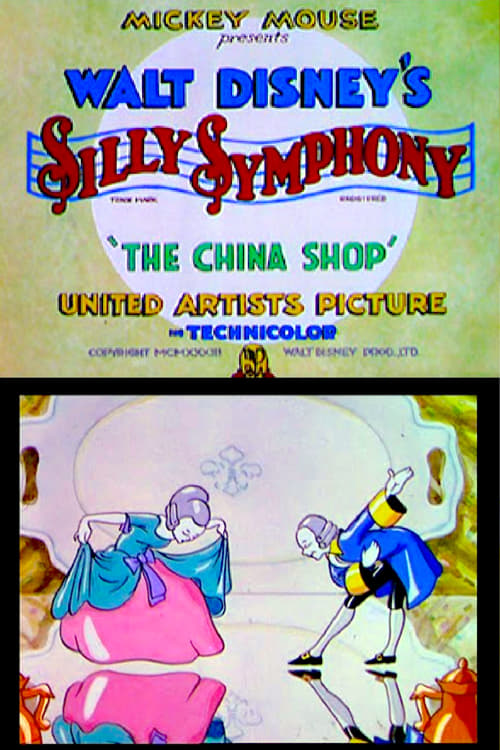
The China Shop
1934
No user ratings available yet
Diversity score: 2.4 out of 10
1931
NRDirector
Wilfred Jackson
Runtime
7 minutes
Average Rating
No ratings yetSynopsis
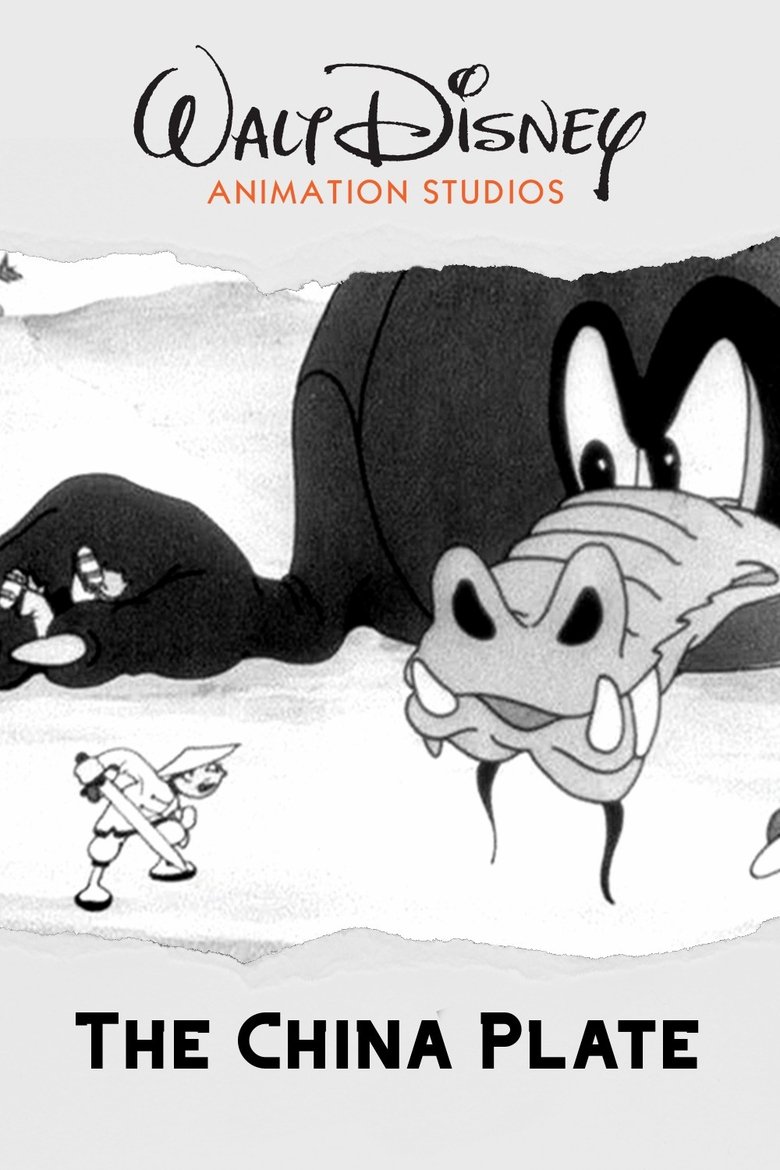
An old plate tells the tale of the Emperor of China, whose palace was disrupted by some children.
Overall Score
Limited
Category Breakdown
LGBTQ+ Representation
The film lacks any depiction of non-cisnormative identities or same-sex intimacy. The narrative follows a traditional, heteronormative framework centered on an Emperor and children.
Gender Representation
The story centers on a patriarchal structure led by the Emperor of China. There is no evidence of female agency or characters demonstrating strength beyond traditional, passive roles.
Racial & Ethnic Diversity
While set in China, the film appears to use the culture as an exoticized backdrop. It relies on aesthetic tropes rather than providing nuanced or high-agency characters of color.
Religious & Cultural Diversity
The narrative operates within a conventional moral framework typical of the era. It lacks systemic critique or the deconstruction of Western institutions and cultural complexities.
Disability Representation
There is no discernible evidence regarding the portrayal of physical or neurodivergent disabilities. No characters are identified as having specific accessibility needs.
Strengths
Areas for Improvement
AI Analysis
The film is a product of early 1930s animation, prioritizing technical storytelling over social complexity. Its narrative structure relies heavily on traditional hierarchies and period-specific tropes. Representation is largely superficial, utilizing a Chinese setting as an exoticized backdrop rather than a source of deep cultural characterization. The focus remains on a patriarchal figurehead and conventional moral themes. Ultimately, the work lacks intentional diversity, reflecting the limited social perspectives and technical constraints of the early animation era.
1934
1931
1933
1932
1931
1933

1931
1930
1933
1933
1936
1934
No reviews yet. Be the first to share your thoughts on this movie!
Use the rating form above to leave a star rating and optional review.