Defence Counsel Sedov
1988
No user ratings available yet
Diversity score: 6.1 out of 10
1962
Director
Arthur Dreifuss
Runtime
85 minutes
Average Rating
No ratings yetSynopsis
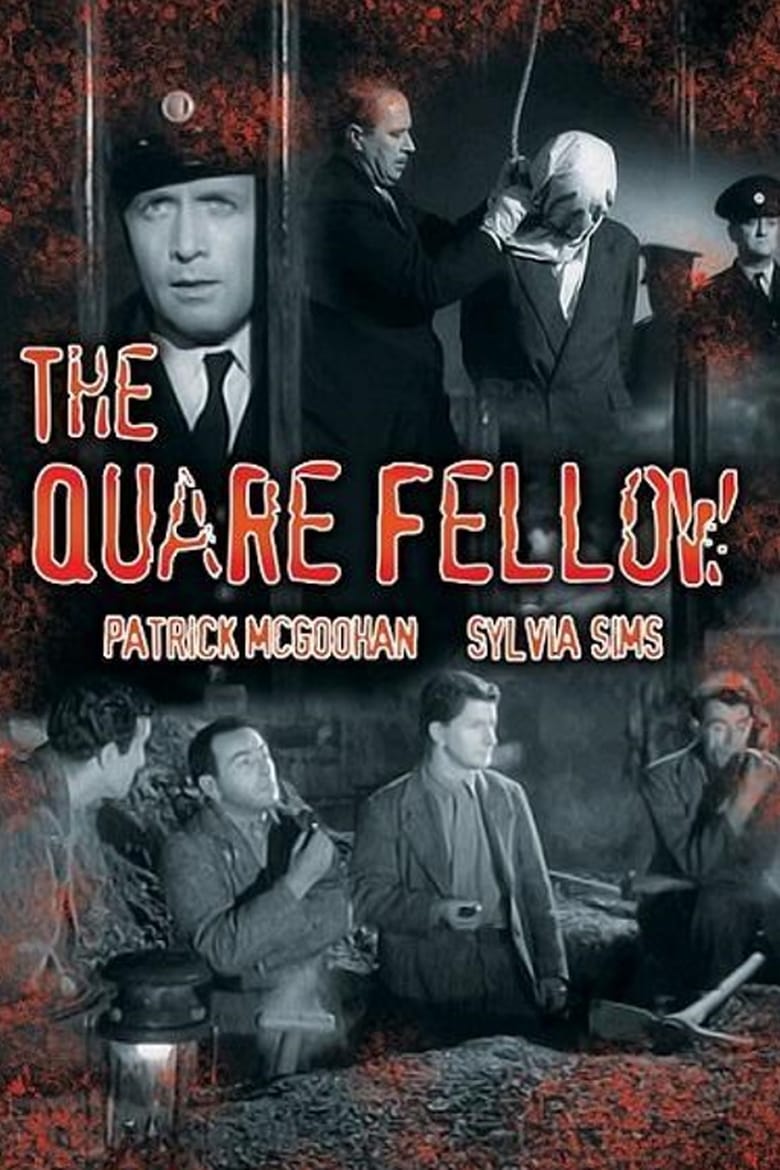
Thomas Crimmins is a new warder, or guard, in an Irish prison. He is young, naive, and idealistic, determined to serve his country by his part in meting out justice to criminals. His superior, Regan, however, realizes that even prisoners are human beings, and Regan is sick of the eye-for-an-eye attitude that leads the state to execute condemned men, or "quare fellows." Crimmins begins to see that not all is black and white in his new world, and when he becomes involved with Kathleen, the wife of one of the condemned men, his attitude begins to change. When new evidence arises to suggest that Kathleen's husband may not deserve his fate, Crimmins is torn between his duty and his humanity.
Overall Score
Fair
Category Breakdown
LGBTQ+ Representation
The film lacks explicit depictions of LGBTQ+ identities or same-sex intimacy. The narrative focus remains centered on the interpersonal tensions between prison staff and the condemned.
Gender Representation
Kathleen serves as a vital catalyst for the protagonist's moral evolution. Her presence forces a confrontation between rigid masculine duty and humanistic empathy, disrupting traditional gender hierarchies.
Racial & Ethnic Diversity
The cast is largely homogeneous, reflecting the specific Irish cultural context of the era. However, it shifts focus away from Anglo-centric perspectives toward localized socio-political explorations.
Religious & Cultural Diversity
The film excels at critiquing Western institutions and the dehumanizing nature of the state's judicial apparatus. It promotes moral relativism and challenges the sanctity of punitive justice.
Disability Representation
There is no documented evidence regarding the portrayal of physical or mental disabilities within this work.
Strengths
Areas for Improvement
AI Analysis
The Quare Fellow functions as a narrative deconstruction of institutional authority. By adapting Brendan Behan’s subversive stage play, the film moves away from simple morality toward a nuanced exploration of situational ethics and systemic corruption. While the film lacks modern intersectional markers such as diverse racial or LGBTQ+ representation, it finds progressive value in its critique of the state. It replaces the 'black and white' view of law with a complex look at human vulnerability. Ultimately, the film's strength lies in its subversion of traditional masculine roles and its challenge to the morality of the death penalty, prioritizing human empathy over institutional dogma.
1988
1978

2004

1970

1967

1943
2012
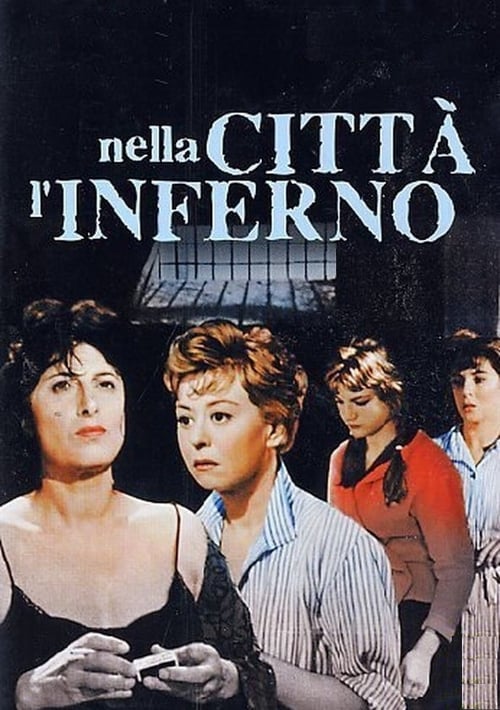
1959
1964

1984

1967
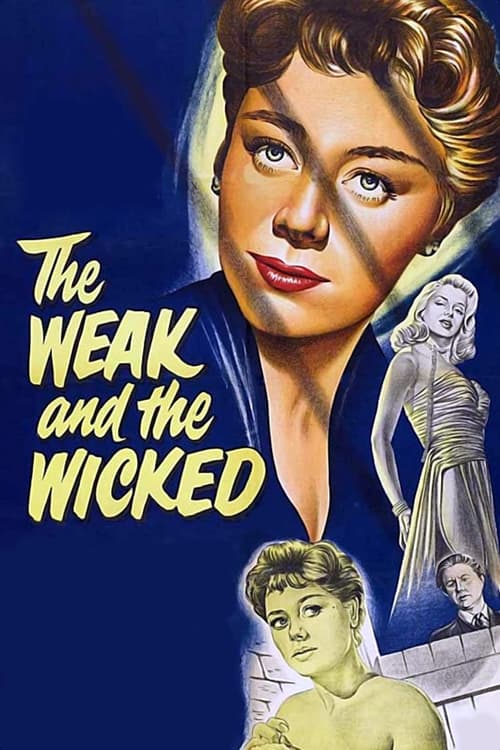
1954
No reviews yet. Be the first to share your thoughts on this movie!
Use the rating form above to leave a star rating and optional review.