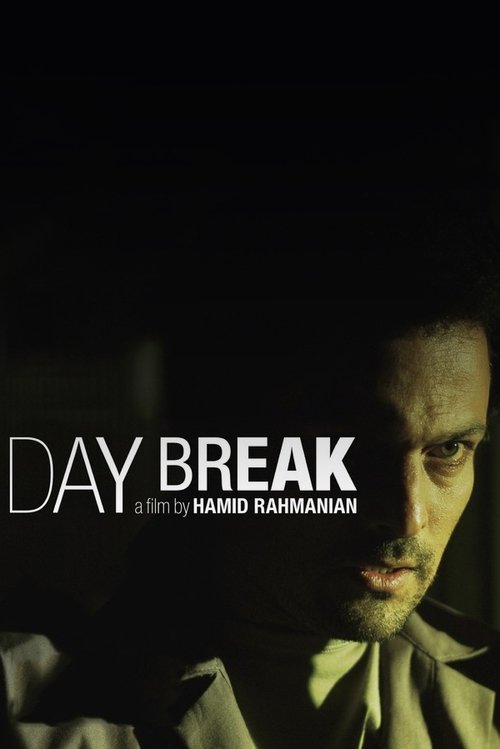
Day Break
2005
No user ratings available yet
Representation score: 6.1 out of 10

Representation Score
Fair
2004
Director
Asghar Farhadi
Runtime
101 minutes
Average Rating
No ratings yetNew Showbiz Analysis
Beautiful City is a sophisticated work of social realism that prioritizes moral complexity over straightforward storytelling. It succeeds by centering a non-Western perspective and deconstructing the authority of state institutions through a lens of systemic tension. The film's strength lies in its refusal to provide easy moral resolutions, instead focusing on the subjective morality of the characters involved in the legal struggle. This approach offers a deep look at personal and systemic accountability. However, the film lacks representation for LGBTQ+ identities and provides no visible engagement with disability. The narrative remains tightly focused on the specific legal and interpersonal dynamics of the central case.
Category Breakdown
The film does not explicitly depict LGBTQ+ identities or dynamics outside of heterosexual relationships. It focuses on the legal and interpersonal struggles surrounding a capital punishment case.
The story centers on a male protagonist within a masculine-coded carceral system. However, it relies on A’la’s ability to navigate legal channels, suggesting a nuanced exploration of interpersonal influence over rigid leadership.
As a work of Iranian cinema, the film centers a non-Western cultural landscape. It provides authenticity by embedding characters deeply within their specific ethnic and social contexts.
The film explores moral relativism and challenges the perceived infallibility of state institutions. It frames the legal process as a site of intense human conflict rather than a simple dichotomy of good and evil.
There is no evidence regarding the portrayal of physical or neurodivergent disabilities within the narrative.
Present on Screen
Limited or Absent
Official Synopsis
Akbar, 18, has been held in a rehabilitation centre for committing murder at the age of sixteen. Now, Akbar is transferred to prison to await the day of his execution. A’la, a friend of Akbar, tries desperately to gain the consent of Akbar’s plaintiff so as to stop the execution.
2005

1997

2021

1989

2020

2019

2009

2021
No reviews yet. Be the first to share your thoughts on this movie!
Use the rating form above to leave a star rating and optional review.