My Friend Ivan Lapshin
1985
No user ratings available yet
Representation score: 7.0 out of 10
Representation Score
Fair
1988
Director
Evgeny Tsymbal
Runtime
0 minutes
Average Rating
No ratings yetNew Showbiz Analysis
Defence Counsel Sedov is a historical drama that finds its strength in challenging state-centric morality. By centering the plot on the actions of three women fighting a corrupt legal system, the film moves beyond simple victimhood to explore individual resistance against institutional power. While the film lacks modern markers such as LGBTQ+ or multi-ethnic representation, it excels in its cultural critique. It deconstructs the authority of the Stalinist era, portraying the highest officials as obstacles to justice rather than guardians of order. Ultimately, the film's diversity is found in its thematic depth, focusing on individuals who challenge systemic injustice within a rigid, homogeneous historical setting.
Category Breakdown
The film does not include any explicit LGBTQ+ characters or non-straight relationships. It focuses on the domestic and legal struggles of wives within a traditional historical context.
Women play a central role in driving the plot rather than being passive victims. Their collective determination to challenge a male-dominated political landscape propels the story forward.
Set in 1937 Moscow, the film reflects the demographic homogeneity of that era. There is no indication of multi-ethnic casting or diverse racial representation.
The film offers a sophisticated critique of state institutions by portraying Stalinist systems as corrupt. It frames the state as an oppressive force rather than a protector.
There is no mention of characters with visible or invisible disabilities within the narrative.
Present on Screen
Limited or Absent
Official Synopsis
Late one evening in Moscow in 1937, Defence Counsel Sedov hears a knock at the door. Three women whose agronomist husbands have been sentenced to death for alleged sabotage beg him to take on the seemingly hopeless task of saving them. Sedov embarks upon a succession of encounters with increasingly powerful officials, gradually persuading them to look at the case anew. But the highest authorities are not so easily outmanoeuvered, and Sedov becomes canonised as a Stalinist zealot, with the film building inexorably to its chilling triple climax.
1985

1994
2010

1975
1975
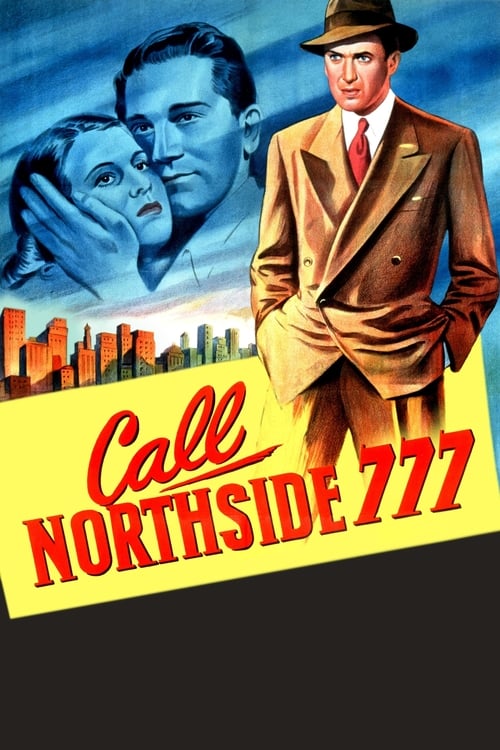
1948
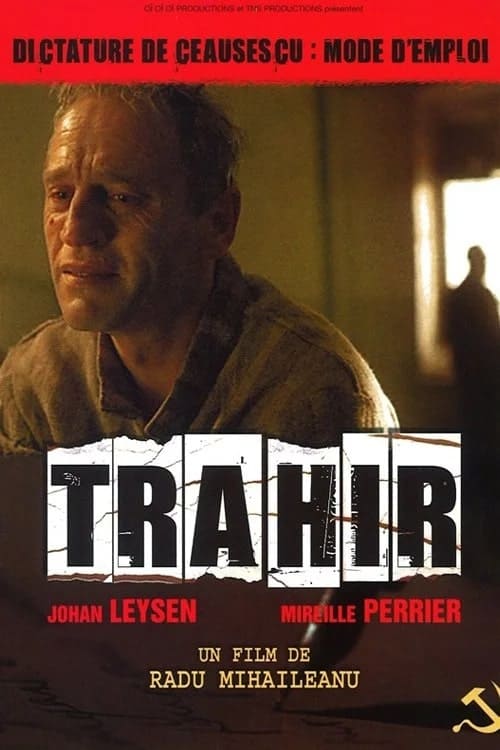
1993

1962
No reviews yet. Be the first to share your thoughts on this movie!
Use the rating form above to leave a star rating and optional review.