
Blue Movie
1971
No user ratings available yet
Diversity score: 5.1 out of 10

1964
NRDirector
Vilgot Sjöman
Runtime
102 minutes
Average Rating
No ratings yetSynopsis
A study in forgiveness as oppression and goodness as provocation. Six youth criminals are chosen to participate in a social experiment where they are assigned to live together in a rundown apartment in the heart of Stockholm, Sweden. The six boys are being supervised by two forgiving and uneasy social workers. Their need to continue to commit petty crimes escalates out of boredom with the situation. One night they run into a young girl in trouble.
Overall Score
Fair
Category Breakdown
LGBTQ+ Representation
The film centers on heteronormative sexual dynamics and the exploration of female sexuality. It lacks explicit evidence regarding queer narratives or non-cisnormative identities.
Gender Representation
The narrative subverts traditional hierarchies by centering female agency and sexuality. It moves away from the era's typical male gaze to examine complex power dynamics.
Racial & Ethnic Diversity
Set in 1960s Stockholm, the cast is predominantly white. The film reflects the demographic homogeneity of its setting without engaging with intersectional racial identities.
Religious & Cultural Diversity
The film critiques rigid Western institutions by framing non-conformity through naturalism. It prioritizes subjective experience over traditional Christian morality and singular moral truths.
Disability Representation
There is no significant evidence regarding the portrayal of physical or neurodivergent disabilities within the narrative.
Strengths
Areas for Improvement
AI Analysis
Vilgot Sjöman’s *491* acts as a provocative study of social friction and sexual liberation. It succeeds in challenging mid-century patriarchal standards by granting female subjects agency and exploring the mechanics of desire beyond traditional taboos. However, the film remains limited by the demographic realities of its time and setting. The lack of racial diversity and queer representation prevents a more intersectional exploration of identity, keeping the focus on a homogeneous Swedish landscape. Ultimately, the film's strength lies in its cultural subversion. By treating petty crime and sexual transgression as products of systemic boredom rather than inherent evil, it offers a significant critique of traditional authority.
1971

1943
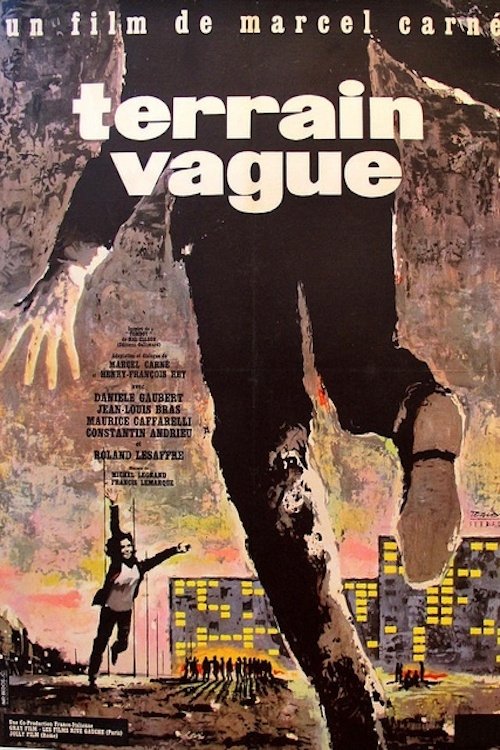
1960
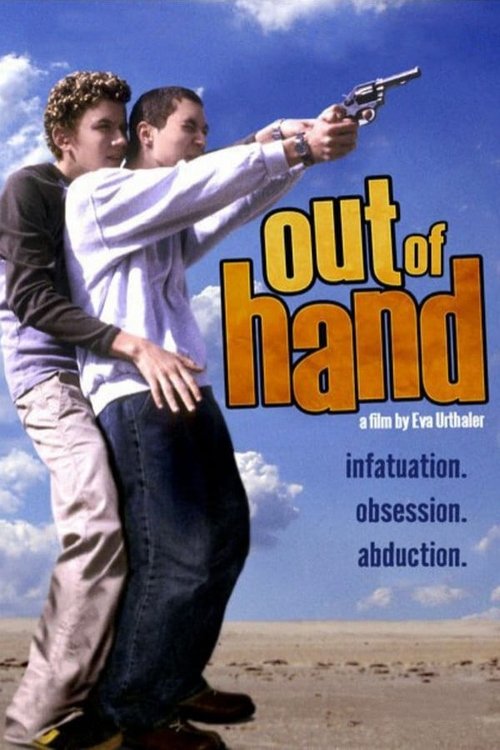
2005
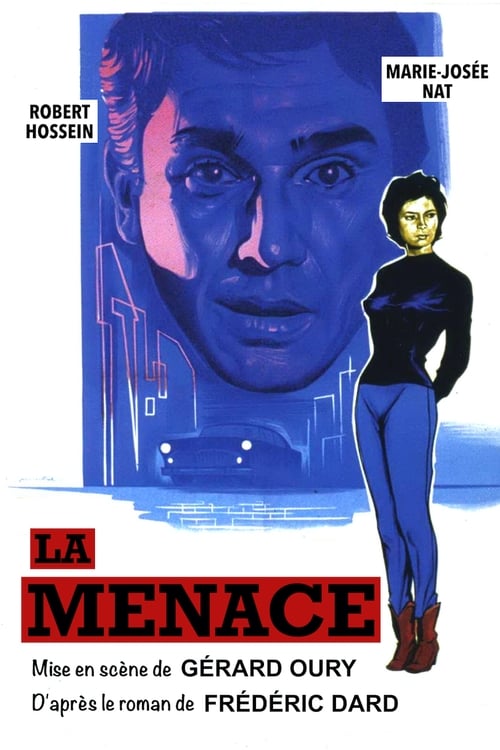
1961

1990
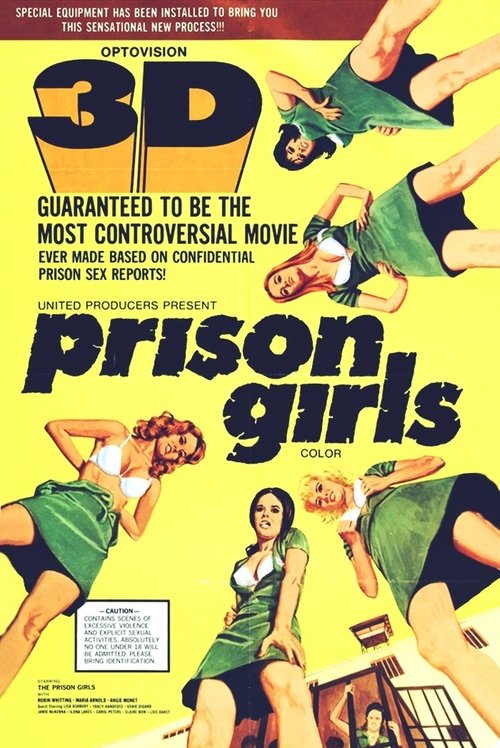
1972
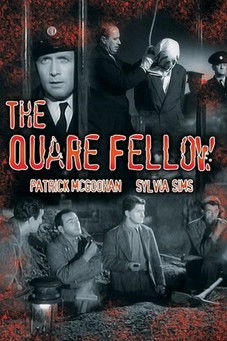
1962

2010

1991
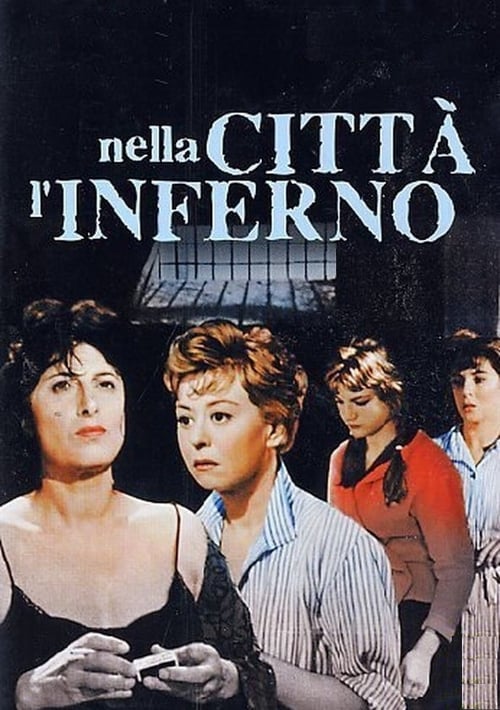
1959

2009
No reviews yet. Be the first to share your thoughts on this movie!
Use the rating form above to leave a star rating and optional review.