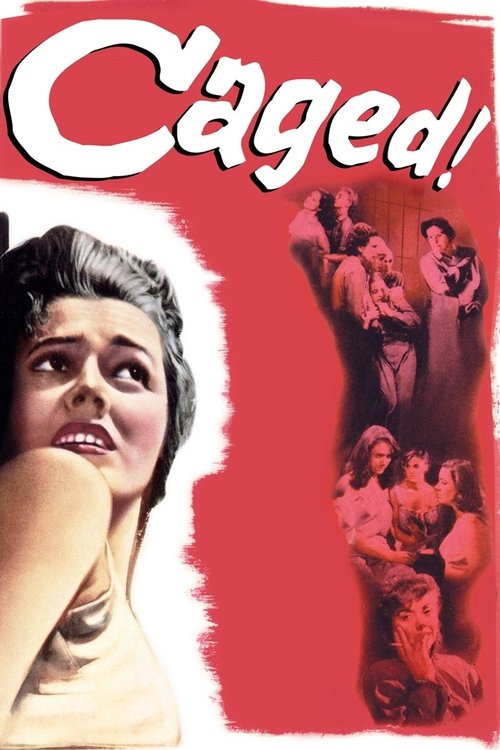
Caged
1950
No user ratings available yet
Representation score: 7.3 out of 10
Representation Score
Limited
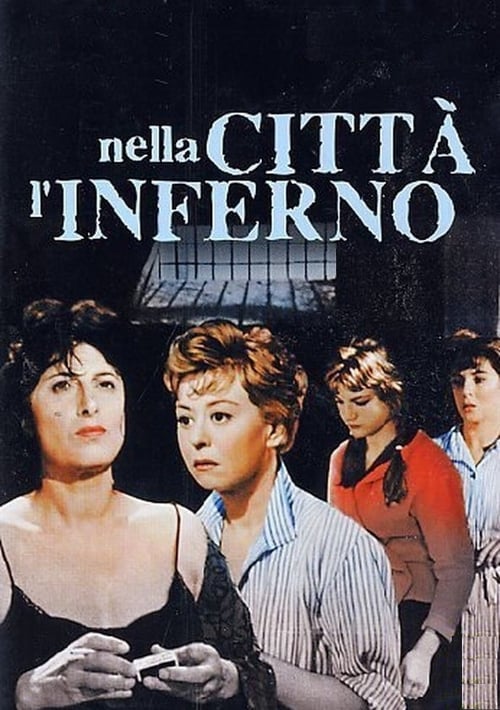
1959
Director
Renato Castellani
Runtime
91 minutes
Average Rating
No ratings yetNew Showbiz Analysis
Hell in the City serves as a social realist study of urban alienation in post-war Rome. It moves beyond simple moralism to explore how systemic pressures drive individuals toward non-conformity and crime. The film excels at challenging traditional gender roles by placing women in high-stakes situations. Instead of presenting typical gender stereotypes, it examines the complex power dynamics and survival strategies within the prison subculture. However, the work is limited by its historical context. It lacks modern markers of diversity, particularly in terms of LGBTQ+ representation and racial diversity, remaining rooted in the homogeneous society of mid-century Italy.
Category Breakdown
The film does not include any documented LGBTQ+ characters or narratives. It focuses on gendered hierarchies and the urban underworld without exploring non-straight relationships.
The narrative centers on women's roles within a restrictive prison environment. It challenges traditional gender stereotypes by showcasing a range of female characters, from dangerous figures to submissive inmates.
The cast is predominantly homogeneous, reflecting the ethnic makeup of mid-century Rome. It lacks diverse racial representation, focusing instead on socioeconomic differences.
The film critiques social structures by portraying delinquency as a result of economic hardship. It depicts the city as a place of corruption and systemic struggle.
There is no specific evidence regarding the portrayal of physical or neurodivergent disabilities. The film focuses on the psychological impact of incarceration instead.
Present on Screen
Limited or Absent
Official Synopsis
A young girl comes to prison and experiences the entire prison subculture. The inmates she befriends vary from big tough dangerous dames to smaller submissive ladies who are totally lost in prison life.
1950

1972

1974
1961

1954

1979

1985

1972
No reviews yet. Be the first to share your thoughts on this movie!
Use the rating form above to leave a star rating and optional review.