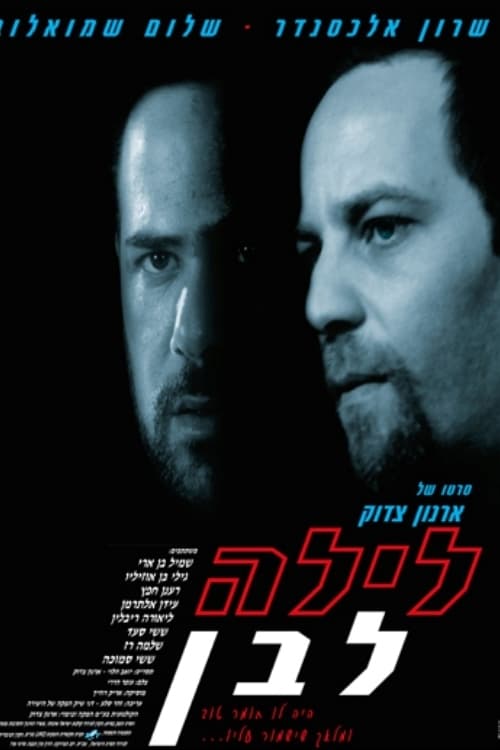
White Night
1996
No user ratings available yet
Representation score: 5.6 out of 10

Representation Score
Good
1984
RDirector
Uri Barbash
Runtime
103 minutes
Average Rating
No ratings yetNew Showbiz Analysis
Beyond the Walls is a powerful social commentary that challenges expected sectarian conflicts. By forming an alliance between Jewish and Arab prisoners, the film replaces traditional 'us vs. them' narratives with a unified front against systemic corruption. The narrative structure effectively dismantles state-sanctioned hierarchies. It positions the prison administration as a corrupt entity, allowing underrepresented inmates to emerge as the true agents of moral change. While the film lacks queer representation and relies on somewhat traditional gender roles for its female characters, its deep engagement with racial ability to act and institutional critique makes it a progressive work.
Category Breakdown
The film does not prominently feature LGBTQ+ identities or non-traditional gender expressions. The primary focus is on ethnic and political conflicts, which overshadow any queer representation.
Female characters serve as emotional anchors representing life outside the prison. They embody passion and longing, but their roles are more symbolic than political drivers in the story.
The film highlights a partnership between Jewish and Palestinian inmates, disrupting traditional ethnic hierarchies and showcasing shared systemic oppression.
The story critiques institutional structures by portraying prison officials as corrupt figures who exploit identity politics to maintain power. The inmates are framed as moral heroes.
The film does not feature any prominent depictions of physical or neurodivergent disabilities that play a central role in the narrative.
Present on Screen
Limited or Absent
Official Synopsis
In Israel's Central Prison, the security officer is corrupt, supplying drugs and stirring the hatred between Jewish and Arab prisoners to his advantage. Uri, in for 12 years for armed robbery, and Issan, in for 50 years for PLO violence, command the respect of their cells. When the Arabs are framed for the murder of a Jewish prisoner and a young inmate commits suicide rather than lie about what happened, Uri and Issan form an unlikely partnership, leading the security block on a strike. Prison officials try to break it. In the background are Uri's daughter and Issan's wife, women of beauty and passion who embody the distance from inside a cell to the outside.
1996

1990
2002
2022
1989
1960
1970
1947
No reviews yet. Be the first to share your thoughts on this movie!
Use the rating form above to leave a star rating and optional review.