
Doña Diabla
1950
No user ratings available yet
Representation score: 1.8 out of 10
Representation Score
Fair
1943
Director
Robert Bresson
Runtime
86 minutes
Average Rating
No ratings yetNew Showbiz Analysis
Robert Bresson’s work centers on a sophisticated deconstruction of moral and institutional hierarchies. While the film lacks modern demographic diversity regarding race and LGBTQ+ visibility, it excels in its exploration of women's ability to drive the story and situational ethics. The narrative shifts away from traditional male-driven plots, focusing instead on the complex intersection of religious institutions and judicial failures. This creates a nuanced study of justice that goes beyond simple moral binaries.
Category Breakdown
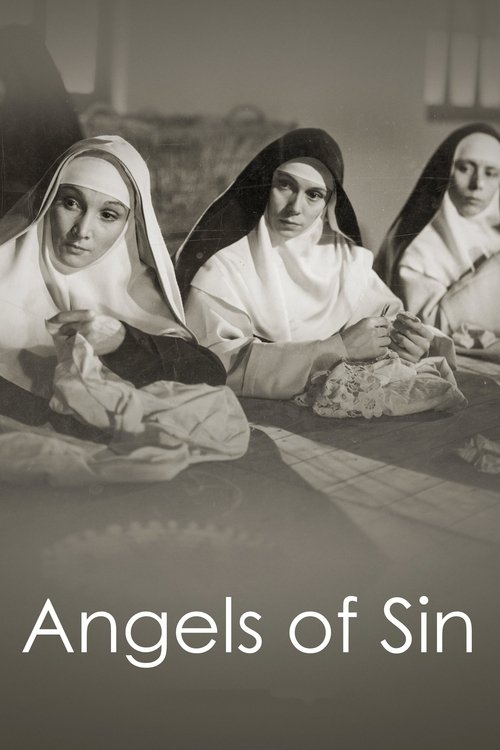
The film doesn't show same-sex intimacy or non-binary gender identities. However, the convent setting highlights a concentrated environment of female experiences and shared trauma.
The story breaks traditional hierarchies by focusing solely on women's ability to act. Women's decisions and spiritual journeys drive the plot, rather than reactions to male actions.
The cast seems to reflect the demographic uniformity of 1943 France. There is no indication of a multi-ethnic or diverse cast within the story.
The film criticizes state and judicial authority by showing a murderer seeking sanctuary. It explores moral relativism through a character who rejects institutional rehabilitation.
There is no mention of characters dealing with physical, sensory, or neurodivergent disabilities.
Present on Screen
Limited or Absent
Official Synopsis
A well-off young woman decides to become a nun, joining a convent that rehabilitates female prisoners. Through their program, she meets a woman named Thérèse who refuses any help because she says she was innocent of the crime she was convicted for. After being released from prison, Thérèse murders the actual perpetrator of the crime and comes to seek sanctuary in the convent.
1950
1964
1938
1958
1951
1962
1949
1938
No reviews yet. Be the first to share your thoughts on this movie!
Use the rating form above to leave a star rating and optional review.