
The Peddler
2010
No user ratings available yet
Diversity score: 6.9 out of 10
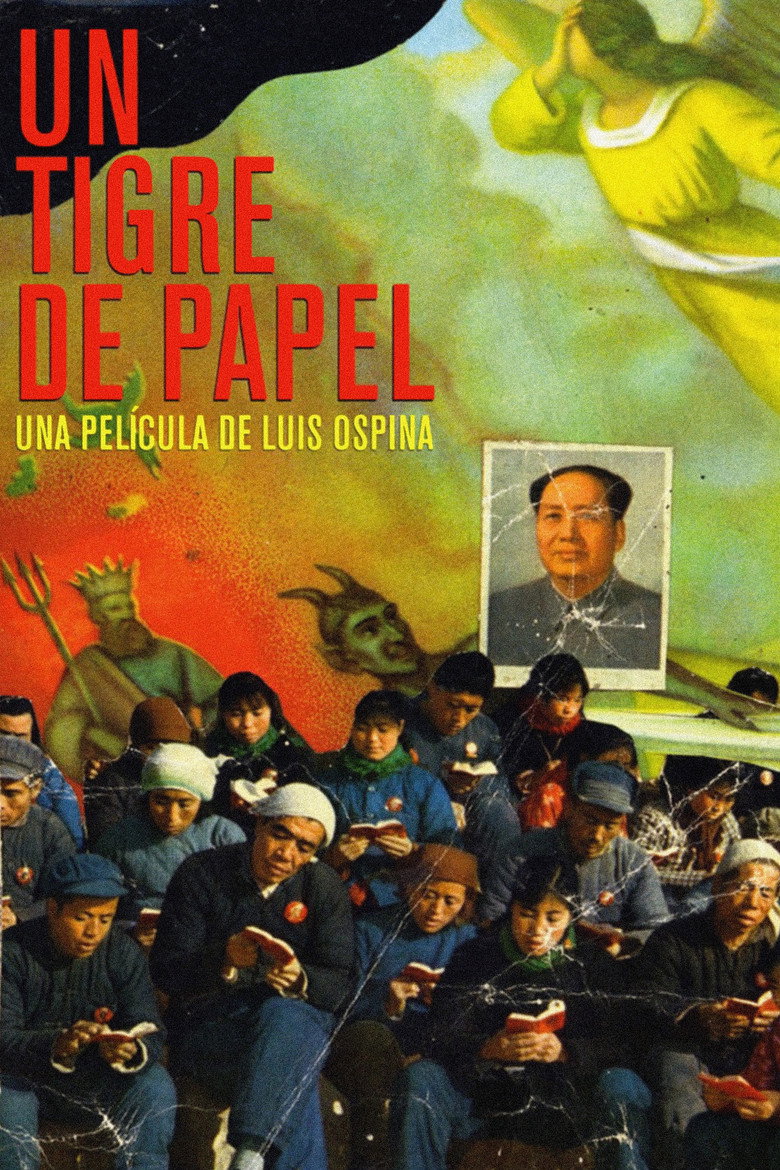
2008
Director
Luis Ospina
Runtime
115 minutes
Average Rating
No ratings yetSynopsis
The life of Pedro Manrique Figueroa, a pioneer of collage in Colombia, is both incomplete and contradictory. Taking his life and work as a pretext, this mockumentary takes the viewer on a journey through history from the year 1934 up until 1981, when the artist mysteriously disappeared from view.
Overall Score
Good
Category Breakdown
LGBTQ+ Representation
The film's focus on a contradictory and incomplete life suggests a departure from heteronormative storytelling. However, there is no explicit evidence of specific queer identities or romantic pairings.
Gender Representation
The narrative centers on a male artist, which risks following patriarchal biographical tropes. Yet, the exploration of a fragmented life may subvert traditional, heroic masculine archetypes.
Racial & Ethnic Diversity
By centering a Colombian pioneer of collage, the film disrupts the hegemony of Global North art history. It serves as a meaningful reclamation of cultural agency within a South American context.
Religious & Cultural Diversity
The mockumentary format critiques the authority of official historical records and institutions. It prioritizes moral and historical relativism over singular, state-sanctioned truths.
Disability Representation
There is no evidence regarding the portrayal of physical or neurodivergent disabilities within the work.
Strengths
Areas for Improvement
AI Analysis
Luis Ospina utilizes the mockumentary genre to challenge the perceived objectivity of historical truth. By focusing on the life of Pedro Manrique Figueroa, the film prioritizes subjective, fragmented experiences over linear, authoritative Western narratives. The film excels in its regional focus, successfully shifting the biographical lens away from Anglo-centric figures toward a South American perspective. This provides a necessary disruption to traditional art history hierarchies. While the film's structural defiance is a strength, the narrative remains centered on a male subject, which limits its impact on gender diversity. The lack of explicit information regarding LGBTQ+ or disability representation also keeps the score moderate.
2010

1985
1990
1980
2018
2013
1993

1977

2018

2024

2017
1994
No reviews yet. Be the first to share your thoughts on this movie!
Use the rating form above to leave a star rating and optional review.