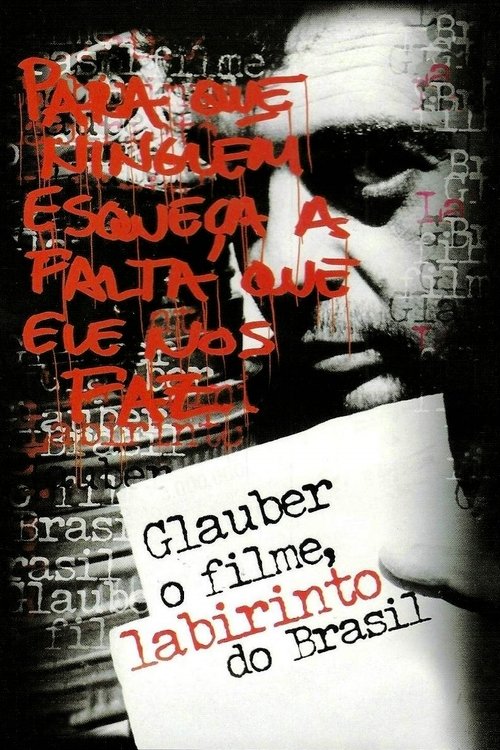
Glauber Rocha - The Movie, Brazil's Labyrinth
2003
No user ratings available yet
Representation score: 6.0 out of 10
Representation Score
Fair
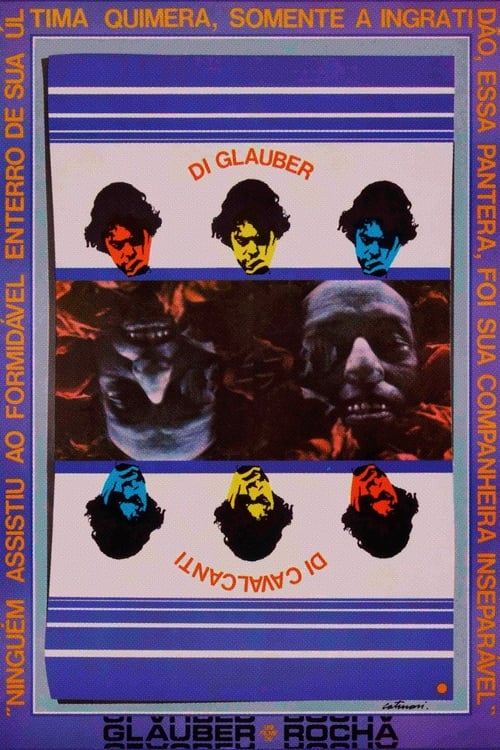
1977
Director
Glauber Rocha
Runtime
18 minutes
Average Rating
No ratings yetNew Showbiz Analysis
Glauber Rocha’s documentary serves as a reflection on Brazilian identity rather than a typical biographical study. By documenting the funeral of painter Emiliano Di Cavalcanti, the film transitions from an individual narrative to a communal exploration of cultural heritage. The film stands out for its dedication to non-Western perspectives, using the Cinema Novo ethos to highlight regional aesthetics and racial diversity. It effectively counters colonialist narratives by centering a local icon. However, the focus on a single male figure and the absence of detailed representations of specific identities limit its scope in gender and LGBTQ+ categories.
Category Breakdown
The film draws from the art of Emiliano Di Cavalcanti, known for his depictions of diverse human forms that challenge traditional beauty standards. While there is no explicit narrative representation, the artwork adds a symbolic layer of identity.
The documentary focuses on a male figure's life and death. However, Rocha's style often disrupts patriarchal hierarchies by emphasizing communal mourning over the traditional 'Great Man' narrative.
In line with the Cinema Novo movement, the film highlights Brazilian identity and its complex racial dynamics. It showcases diverse social layers through the lens of an artist deeply connected to Brazilian culture.
The work challenges Western dominance by centering a unique Brazilian icon. It prioritizes local, non-Western cultural expressions and the blending of individual identity into collective memory.
There is insufficient evidence to confirm the presence of disability representation within this documentary context.
Present on Screen
Limited or Absent
Official Synopsis
This controversial film from director Glauber Rocha records the funeral of his friend, major Brazilian painter Emiliano Di Cavalcanti.
2003
1978

1966
1985

2017

1966
2016
1979
No reviews yet. Be the first to share your thoughts on this movie!
Use the rating form above to leave a star rating and optional review.