1000 Hands of the Guru
2016
No user ratings available yet
Diversity score: 6.8 out of 10
1990
Director
Arun Khopkar
Runtime
33 minutes
Average Rating
No ratings yetSynopsis
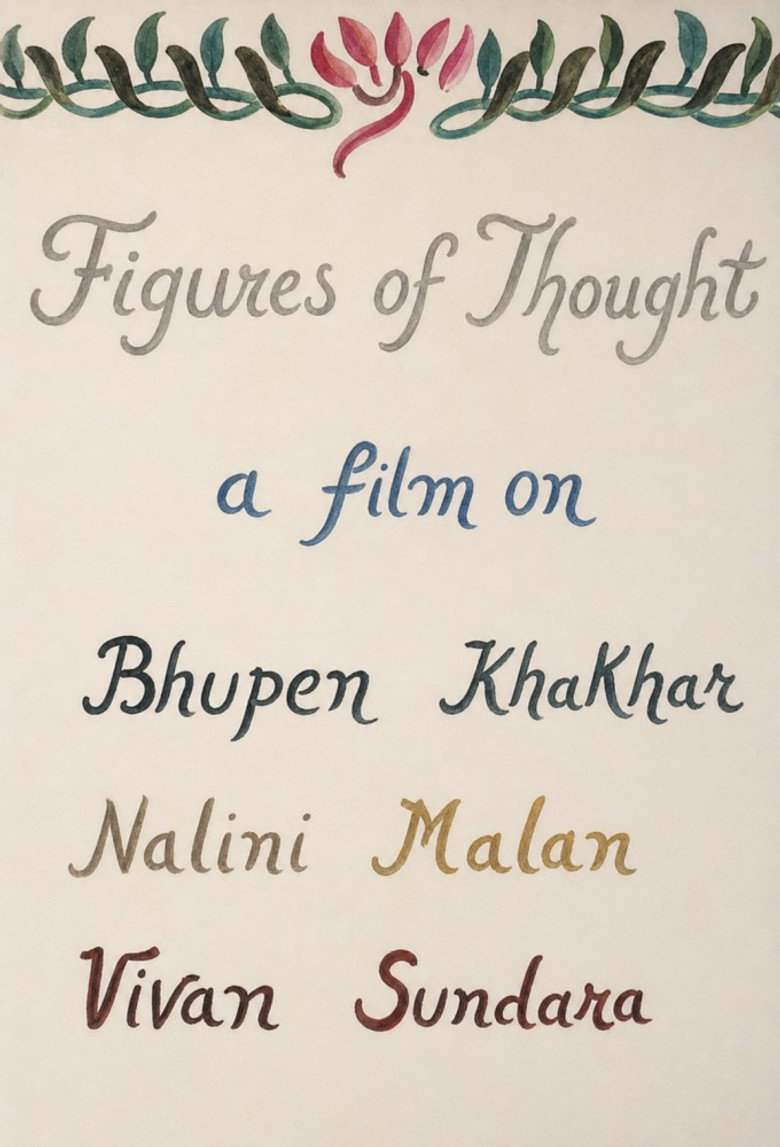
A film about three of our leading visual artists, Bhupen Khakar, Nalini Malani and Vivan Sundaram. It takes, as its point of departure, a glass mural on which all three were working, then zeros into each of them. It links them to their physical and mental worlds through cinematic devices like associative sounds, variable light and montage. Compositionally, the visuals aim to link with the styles of each artist, as well as the larger narrative traditions of India.
Overall Score
Good
Category Breakdown
LGBTQ+ Representation
The documentary focuses on the creative processes of three specific artists. There is no explicit depiction of LGBTQ+ identities or non-heteronormative narratives within the film.
Gender Representation
Nalini Malani is centered alongside two male artists, providing meaningful representation. This placement disrupts traditional hierarchies by granting a female artist prominent intellectual agency.
Racial & Ethnic Diversity
The film centers a non-Western perspective by focusing on Indian visual artists. It utilizes cinematic devices to link the subjects to larger Indian narrative traditions.
Religious & Cultural Diversity
The narrative favors a pluralistic cultural perspective by exploring subjective realities. It avoids Western-centric storytelling in favor of fluid, interpretive truths rooted in Indian traditions.
Disability Representation
The film explores the mental worlds of the artists but lacks explicit evidence of subjects portrayed through the lens of visible or invisible disabilities.
Strengths
Areas for Improvement
AI Analysis
Figures of Thought succeeds as a culturally significant documentary that challenges Western-centric cinematic tropes. By centering Indian visual artists, the film prioritizes indigenous aesthetic frameworks and non-Western modes of expression. The work achieves high marks for racial and ethnic diversity by rooting its visual language in Indian narrative traditions. This approach effectively avoids the Western gaze, offering a more authentic exploration of the artists' mental and physical worlds. While gender representation is improved by the inclusion of Nalini Malani, the film remains neutral regarding LGBTQ+ and disability representation. It functions primarily as an intellectual inquiry into artistic methodology rather than identity-driven storytelling.
2016

2008
1985
2016
2017
2005
2023
2017
1969
2013
2018

2015
No reviews yet. Be the first to share your thoughts on this movie!
Use the rating form above to leave a star rating and optional review.