Balkan Baroque
1999
No user ratings available yet
Diversity score: 6.9 out of 10
1994
Director
Louis Mouchet
Runtime
91 minutes
Average Rating
No ratings yetSynopsis
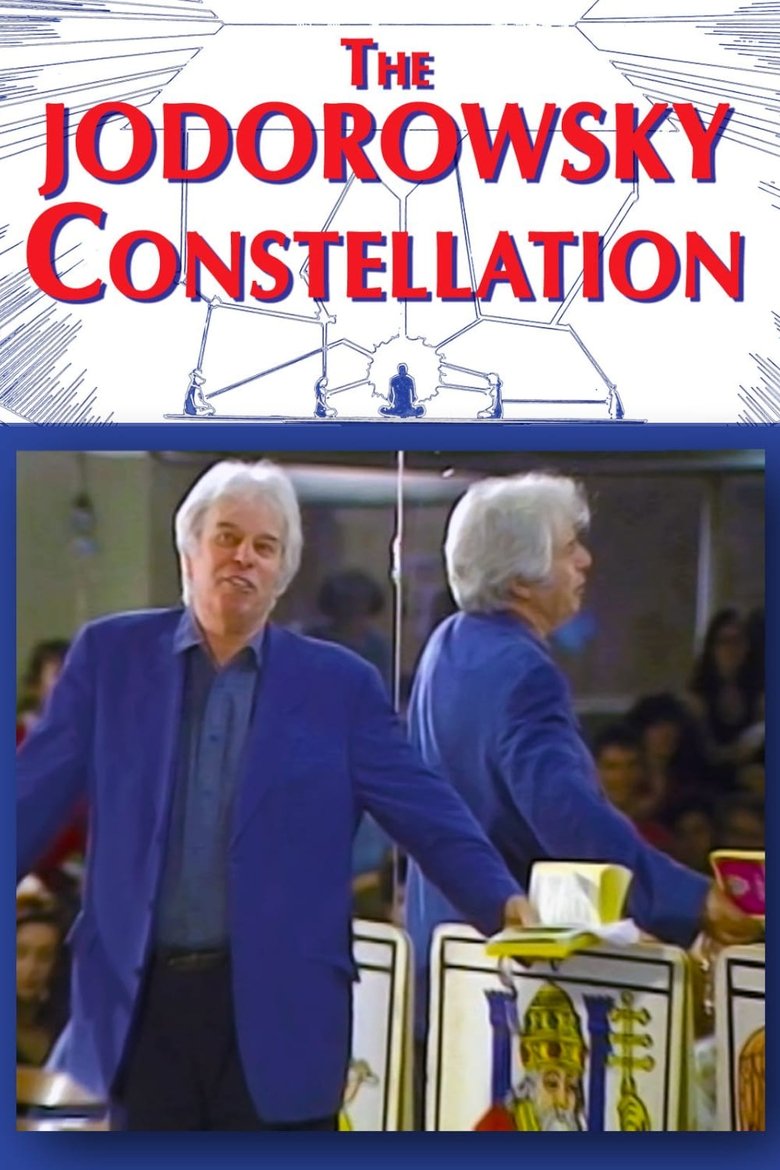
This documentary depicts the filmmaker Alejandro Jodorowsky talking about his life, his loves, his career as a filmmaker, graphic novelist, and workshop leader, and his eccentricities including tarot reader and theatrical director during The Panic Movement. Directed by Louis Mouchet, La Constellation Jodorowsky includes a lengthy on-camera interview with Jodorowsky in Spanish with subtitles. Marcel Marceau, Fernando Arrabal, Peter Gabriel, Jean "Moebius" Giraud, and Jean Pierre Vignau make appearances discussing their various projects with the director. In addition to the interview and film clips, Mouchet features some bizarre footage from Jodorowsky’s absurdist plays in which topless women splattered with paint writhe around the stage in a theatrical production meant to represent The Panic Movement, i.e., an artistic expression in which reason cannot fully express the human experience.
Overall Score
Good
Category Breakdown
LGBTQ+ Representation
The film explores Jodorowsky's various loves, suggesting a narrative that moves beyond heteronormative constraints. While specific queer identities are not the primary focus, the documentary engages with non-traditional lifestyles and eccentricities.
Gender Representation
The documentary challenges traditional hierarchies through the Panic Movement. Footage of topless women in absurdist plays repositions the female form within a symbolic, non-linear artistic context rather than a purely voyeuristic one.
Racial & Ethnic Diversity
The film maintains a multicultural dimension, featuring a central interview in Spanish. The presence of diverse contributors suggests a cosmopolitan intersection of Latin American and pan-European ideas.
Religious & Cultural Diversity
The film excels by critiquing traditional Western institutional frameworks. It celebrates mysticism and the absurd, framing the breakdown of reason as a liberation from organized society and rationalist ideologies.
Disability Representation
There is no significant evidence regarding the depiction of physical or neurodivergent disabilities within the film.
Strengths
Areas for Improvement
AI Analysis
The documentary serves as a cinematic exploration of radical subjectivity. It succeeds by centering a figure dedicated to deconstructing the status quo, thereby promoting moral relativism and identity-driven expression. The film's strength lies in its refusal to adhere to traditional Western structures of logic and religion. By celebrating the eccentric and the absurdist, it validates non-conformist modes of human existence. However, the work remains focused on Jodorowsky's specific philosophical movement. While it disrupts conventional biographical expectations, it does not provide explicit, detailed representations of specific marginalized identities.
1999
2015
2021
1997
2016
1969
2008
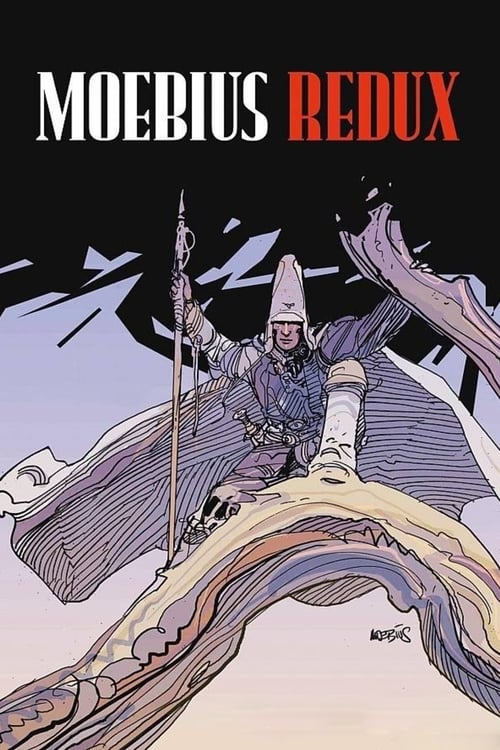
2007
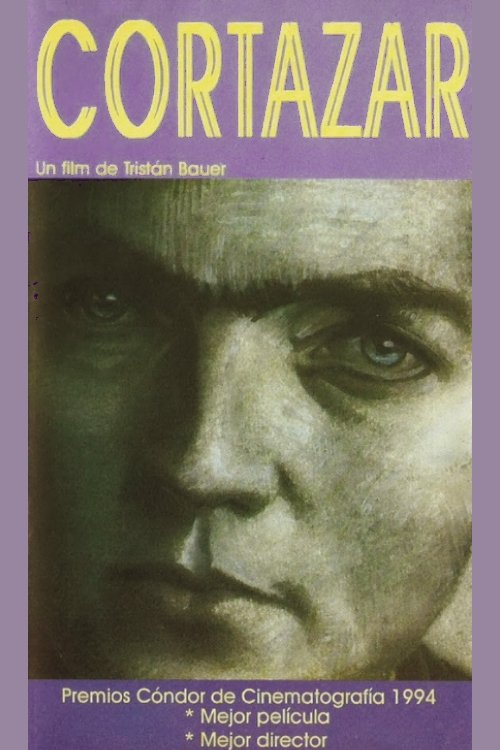
1994
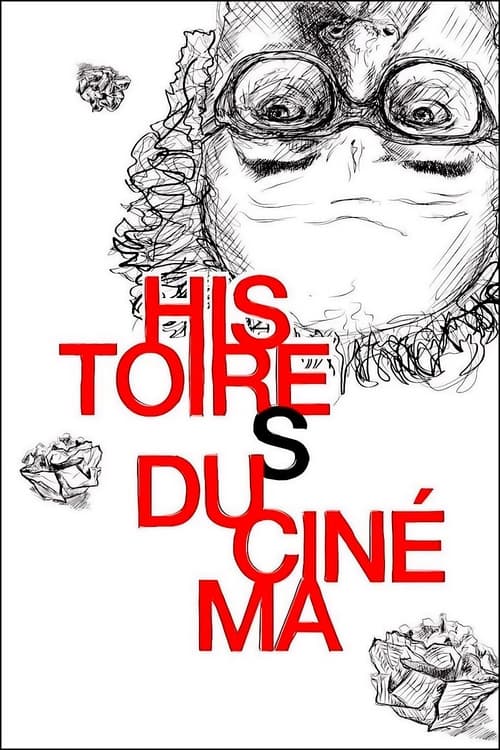
1997
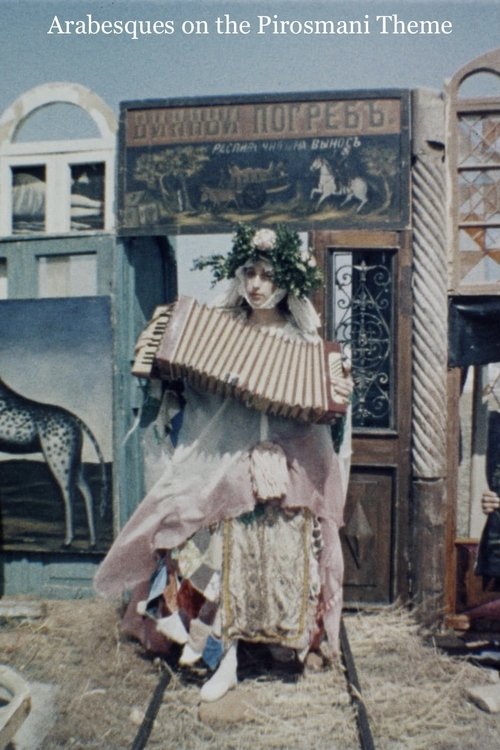
1985
2016
No reviews yet. Be the first to share your thoughts on this movie!
Use the rating form above to leave a star rating and optional review.