Raving Iran
2016
No user ratings available yet
Diversity score: 8.0 out of 10
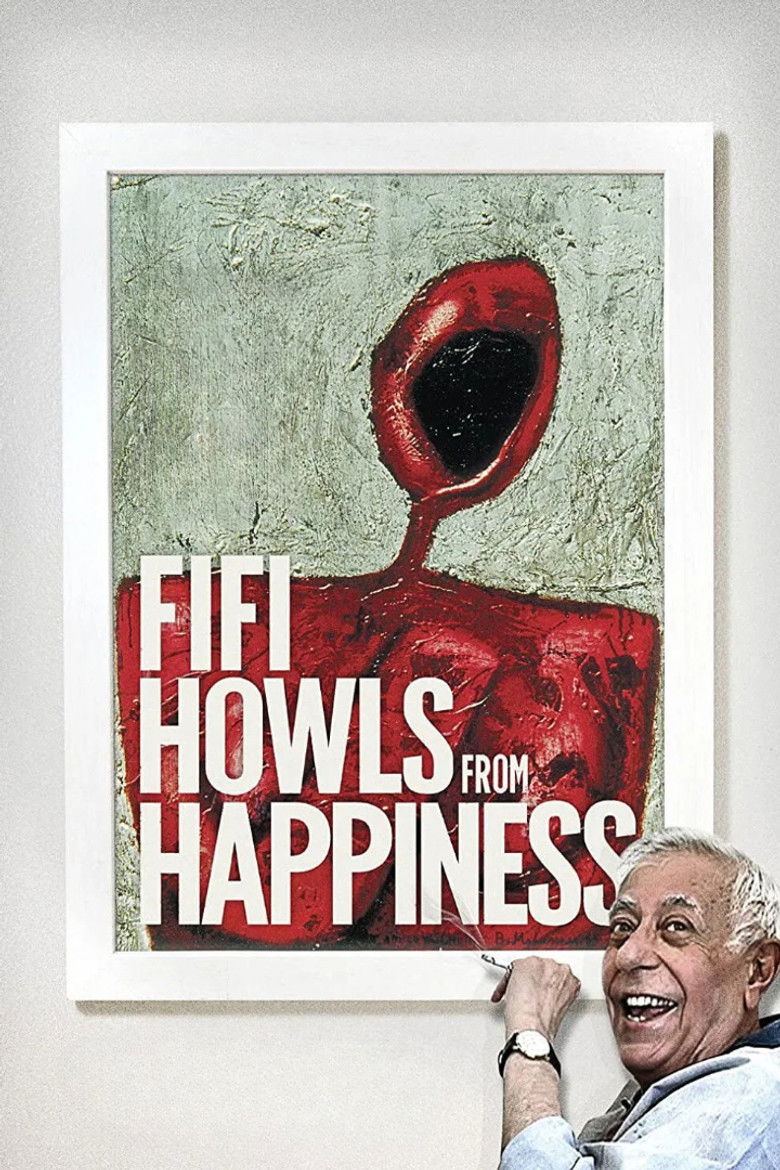
2013
UnratedDirector
Mitra Farahani
Runtime
96 minutes
Average Rating
No ratings yetSynopsis
Bahman Mohassess was a celebrated artist at the time of the Shah. Trained in Italy, he created sculptures and paintings in his homeland. But audiences often took offence at the pronounced phalli on his mostly naked bronze figures and his work was regularly censored. All traces of him were lost after the revolution. It was said he destroyed his remaining paintings and disappeared.
Overall Score
Good
Category Breakdown
LGBTQ+ Representation
The film engages with non-normative depictions of the human form through Mohassess’s use of nudity. It explores the friction between aesthetic freedom and restrictive moral frameworks.
Gender Representation
The narrative subverts traditional gendered expectations by focusing on an artist who challenged modesty standards. It highlights the struggle for creative agency against patriarchal social norms.
Racial & Ethnic Diversity
The documentary provides depth regarding Middle Eastern artistic history. It showcases a complex, globalized identity that blends Italian training with Persian heritage to resist monolithic categorization.
Religious & Cultural Diversity
The film critiques institutionalized censorship and the suppression of pluralism. It examines how revolutionary shifts can lead to the systemic erasure of individual expression and cultural memory.
Disability Representation
There is no discernible evidence regarding the portrayal of physical or neurodivergent disabilities.
Strengths
Areas for Improvement
AI Analysis
Mitra Farahani’s documentary serves as a cinematic reclamation of Bahman Mohassess, an Iranian artist whose provocative work faced heavy censorship. The film succeeds by using a single biography to critique broader patterns of state-mandated suppression and the fragility of cultural memory. The work excels in its refusal to adhere to Western-centric art narratives, instead presenting a sophisticated, globalized perspective on Middle Eastern intellectual history. By examining the tension between secular artistic pursuit and religious authority, the film highlights the loss of intellectual pluralism following revolutionary changes. While the film touches on bodily autonomy and non-normative imagery, it does not explicitly center on contemporary LGBTQ+ identities. It remains a focused study of how institutional shifts can erase individual voices from the historical record.
2016
1994

2011
2008
1974
2019
2017
1972

2024
1969

2018
1977
No reviews yet. Be the first to share your thoughts on this movie!
Use the rating form above to leave a star rating and optional review.