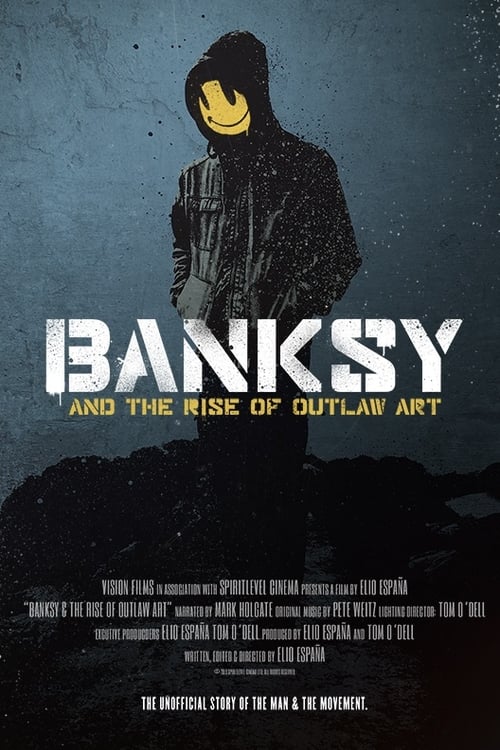
Banksy and the Rise of Outlaw Art
2020
No user ratings available yet
Representation score: 7.8 out of 10
Representation Score
Good
2017
Director
James Moll
Runtime
90 minutes
Average Rating
No ratings yetNew Showbiz Analysis
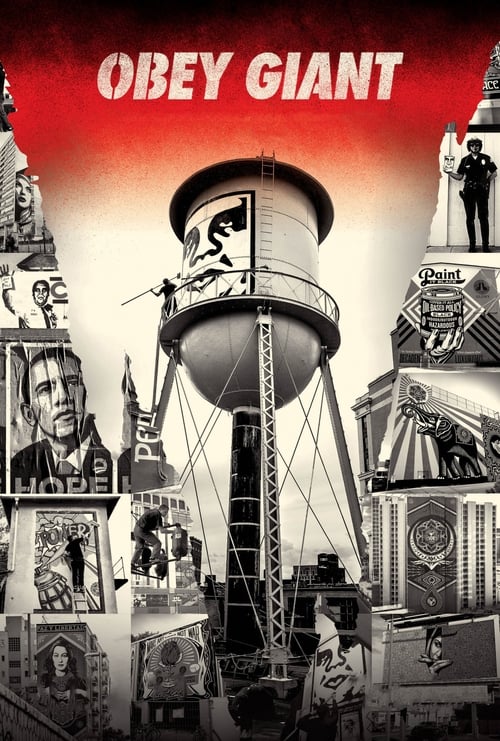
Obey Giant offers a sophisticated look at how individual actions challenge systemic norms through the lens of street art. It succeeds in framing artistic rebellion as a tool for navigating complex social hierarchies and questioning institutional authority. The documentary excels at documenting the multicultural reality of American urban environments. By tracing the roots of street art, it provides a nuanced view of how various ethnic backgrounds intersect with geographic and social spaces. However, the film's focus on specific subcultures limits its breadth. The narrative remains heavily anchored in male-dominated spaces, which prevents a more balanced exploration of gendered ability to act and diverse social identities.
Category Breakdown
The film captures the nuances of identity formation within punk and skate subcultures. These environments provide space for non-traditional identities, though the narrative focuses more on artistic evolution than specific LGBTQ+ themes.
The documentary avoids reinforcing rigid hierarchies by focusing on the shared roles of creators. However, the narrative remains centered on male-dominated spheres like skateboarding and early punk aesthetics.
The film highlights how diverse ethnic groups utilize urban public spaces for expression. It includes Black and Hispanic/Latino perspectives to provide a nuanced view of identity within the urban landscape.
The narrative disrupts conventional expectations by profiling an artist who critiques corporate and governmental branding. It effectively uses an outsider perspective to challenge mainstream visual culture and established power structures.
There is no evidence within the film to address the representation of visible or invisible disabilities.
Present on Screen
Limited or Absent
Official Synopsis
A documentary that profiles the life and work of artist Shepard Fairey. We follow his roots through punk rock and skateboarding to his creation of the iconic Obama HOPE poster, and the controversy that surrounds it.
2020

2014
2020

2022
2018
2021
2020

2020
No reviews yet. Be the first to share your thoughts on this movie!
Use the rating form above to leave a star rating and optional review.