Flaming Frontier
1965
No user ratings available yet
Diversity score: 3.4 out of 10
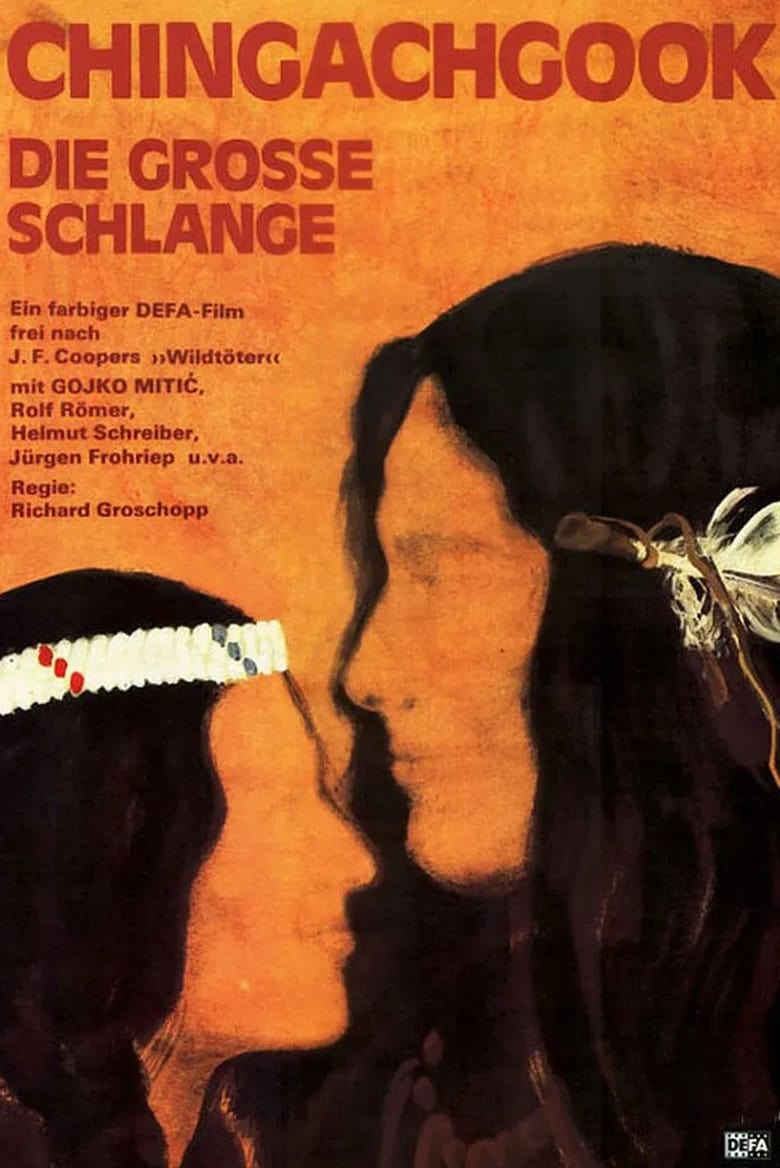
1967
Director
Richard Groschopp
Runtime
92 minutes
Average Rating
No ratings yetSynopsis
Chingachgook, a Mohawk-born Delaware warrior, strives to rescue his wife Wahtawah from the clutches of an enemy camp of Huron. Joined by his trusted huntsman Deerslayer, the two confront racist pioneers and brutal British soldiers in their quest. Deerslayer catches the desire of Judith and thus the jealousy of her suitor, Harry. The action of the story functions like a seesaw, characters continuously traveling back and forth between a house on the lake and the Huron camp until the violent climax.
Overall Score
Limited
Category Breakdown
LGBTQ+ Representation
The film lacks any evidence of non-cisnormative identities or same-sex intimacy. Instead, the plot focuses on traditional romantic tensions between Deerslayer, Judith, and Harry.
Gender Representation
Gender roles follow conventional patterns. While Wahtawah is a central figure, she functions primarily as a captive to be rescued rather than an active agent in the story.
Racial & Ethnic Diversity
Indigenous Mohawk and Delaware characters occupy central roles. However, the narrative risks leaning into 'noble savage' tropes common to 1960s adventure cinema.
Religious & Cultural Diversity
The story adheres to standard Western adventure tropes. It depicts colonial conflict but lacks a deep deconstruction of Western institutions or anti-colonialist themes.
Disability Representation
There is no mention of characters with visible or invisible disabilities within the narrative.
Strengths
Areas for Improvement
AI Analysis
Chingachgook: The Great Snake is a mid-century adventure-western that centers on Indigenous protagonists but remains tethered to the era's restrictive genre conventions. While it provides visibility for Mohawk and Delaware characters, the storytelling often relies on traditional rescue motifs and heroic archetypes rather than systemic critique. The film's approach to gender and sexuality is strictly heteronormative. Female characters are largely defined by their relationships to men or their status as objects of conflict, limiting their individual agency. Ultimately, the film acknowledges ethnic tension through its depiction of racist pioneers and British soldiers, yet it lacks the intersectional depth required to subvert the social hierarchies of its time.
1965

1966
1964
1965
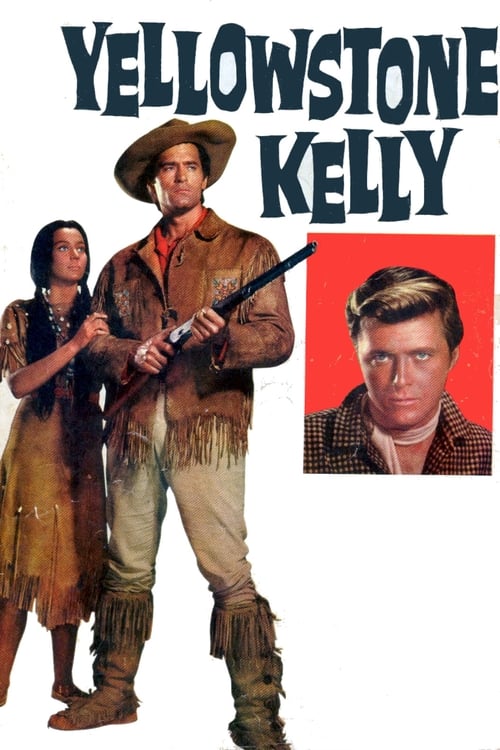
1959
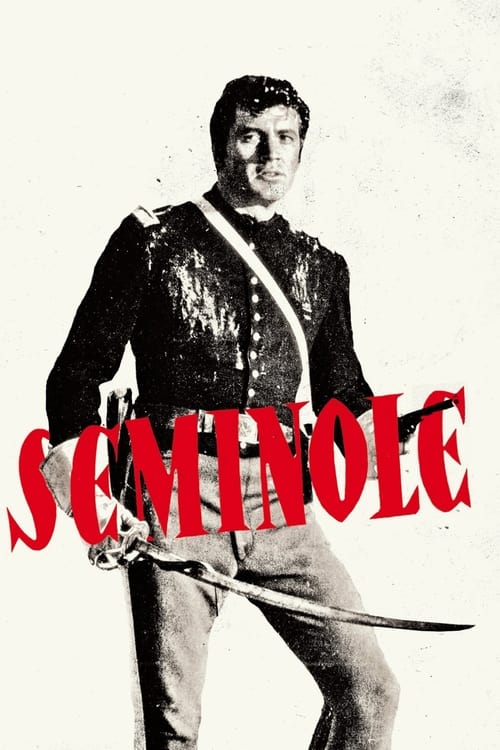
1953

1964
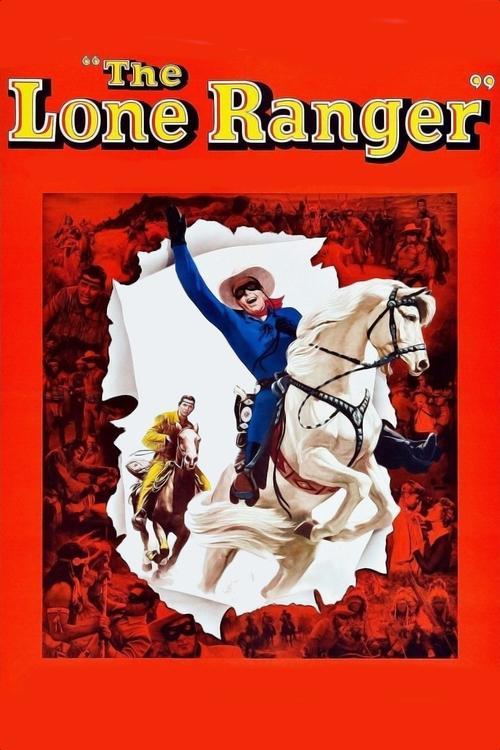
1956
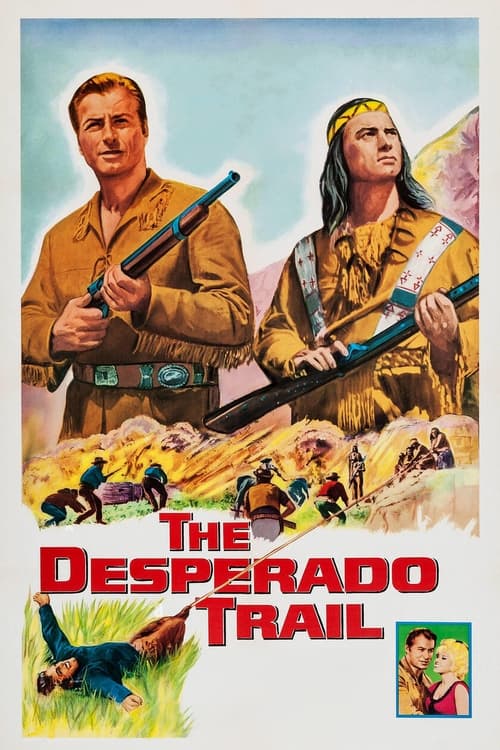
1965
1966
1955
1952
No reviews yet. Be the first to share your thoughts on this movie!
Use the rating form above to leave a star rating and optional review.