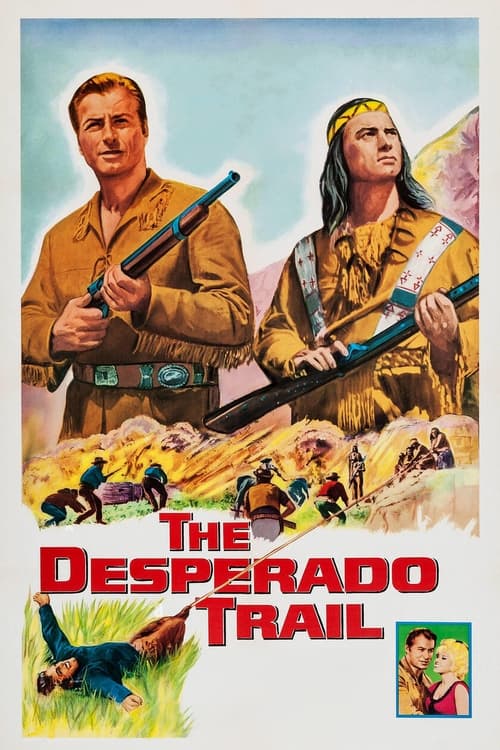
The Desperado Trail
1965
No user ratings available yet
Representation score: 2.8 out of 10
Representation Score
Minimal
1953
NRDirector
Budd Boetticher
Runtime
87 minutes
Average Rating
No ratings yetNew Showbiz Analysis
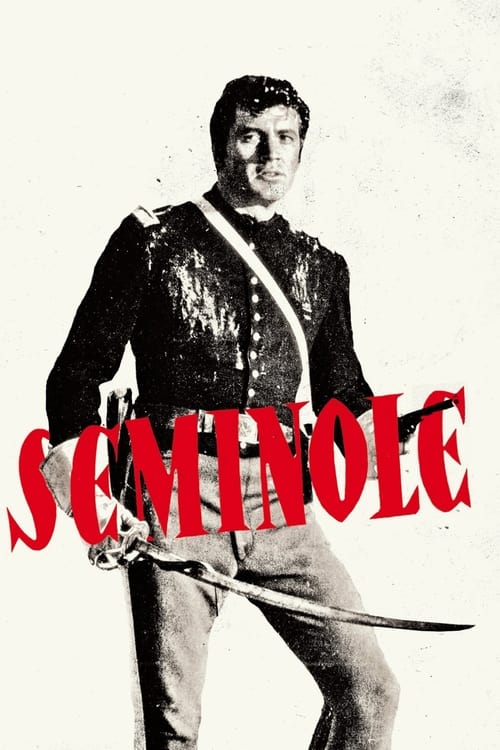
Seminole reflects the rigid conventions of 1950s cinema. While it lacks LGBTQ+ and disability representation, it avoids simplistic 'civilization vs. savagery' clichés typical of Western films. By focusing on the resistance of Indigenous characters against military authority, the film offers a more nuanced moral landscape compared to many contemporary Westerns. However, it remains constrained by traditional gender hierarchies and casting norms.
Category Breakdown
The film does not include any characters with LGBTQ+ identities or non-cisgender traits. The character dynamics follow mid-century standards of heterosexual relationships.
Female characters play supporting roles within domestic or tribal settings. Men and tribal leaders hold the main roles and control the narrative.
The story focuses on the Seminole tribe's fight for survival against white settlers. However, the portrayals adhere to 1950s Western conventions and casting norms.
The film presents conflicts through land rights and tribal survival rather than a simple good-versus-evil binary. It criticizes corrupt military figures but does not delve deeply into modern socio-political issues.
There is no representation of physical, neurodivergent, or mental health disabilities in the characters or plot.
Present on Screen
Limited or Absent
Official Synopsis
Lance Caldwell, a cavalry lieutenant, recounts his efforts to make peace with the Seminole Indian tribe, under an evil major.
1965

1950
1967
1960
1965
1966
1956
1948
No reviews yet. Be the first to share your thoughts on this movie!
Use the rating form above to leave a star rating and optional review.