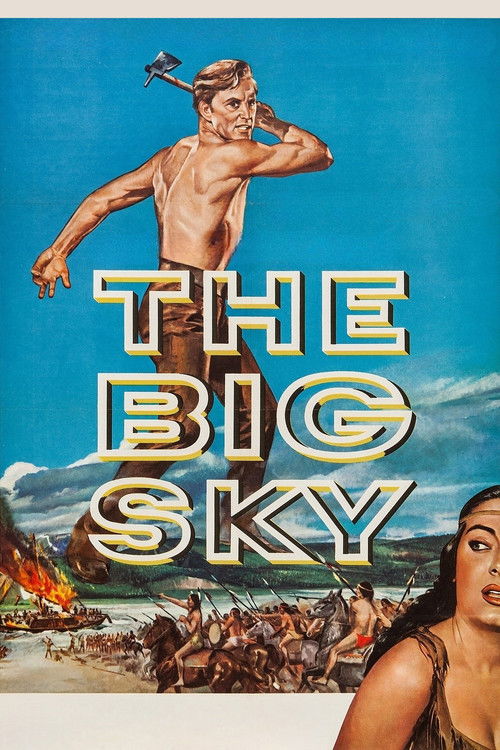
The Covered Wagon
1923
No user ratings available yet
Representation score: 0.3 out of 10
Representation Score
Minimal
1952
NRDirector
Howard Hawks
Runtime
133 minutes
Average Rating
No ratings yetNew Showbiz Analysis
The Big Sky is a traditional Western that prioritizes the reinforcement of established gender roles and the settler-colonial frontier mythos. While the film offers character depth through romantic tension and survival, it lacks the intentionality required to challenge systemic hierarchies. Representation is limited by the cinematic constraints of 1952. The film functions as a celebration of individual ability to act and mastery over nature, rather than a vehicle for diverse perspectives. Ultimately, the narrative structure relies on mid-century archetypes, providing a portrait of the frontier that favors conventional social structures and traditional masculine ideals.
Category Breakdown
The film does not depict any non-binary gender identities or same-sex relationships. The romantic storyline focuses solely on the marriage of Deanna and Kit.
Deanna is shown to have significant strength and influence in a male-dominated setting. However, the main conflict revolves around traditional gender roles and conventional ideas of masculinity.
The Blackfoot Indians are depicted as a key part of the frontier landscape but primarily serve as a source of external conflict, adhering to era-specific clichés rather than offering nuanced characterization.
The narrative emphasizes the mastery of the wilderness and traditional values of rugged individualism. It reinforces the expansionist frontier spirit without critiquing Western institutions.
There are no significant depictions of visible or invisible disabilities within the main character arcs.
Present on Screen
Limited or Absent
Official Synopsis
Two tough Kentucky mountaineers join a trading expedition from St. Louis up the Missouri River to trade whisky for furs with the Blackfoot Indians. They soon discover that there is much more than the elements to contend with.
1923
1930
1955
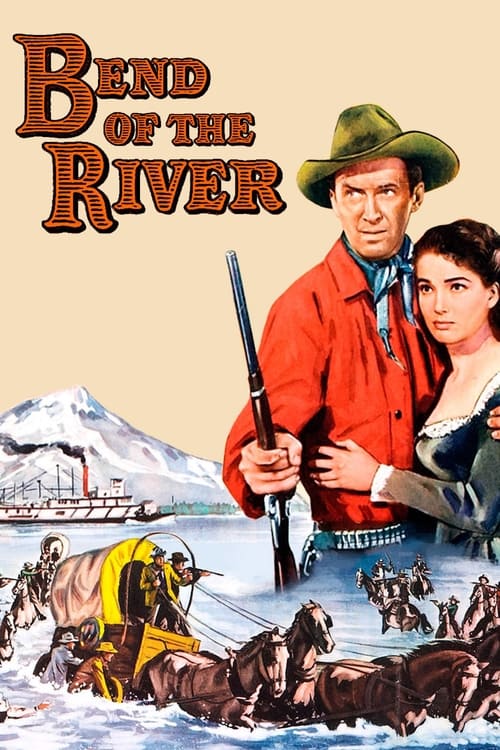
1952
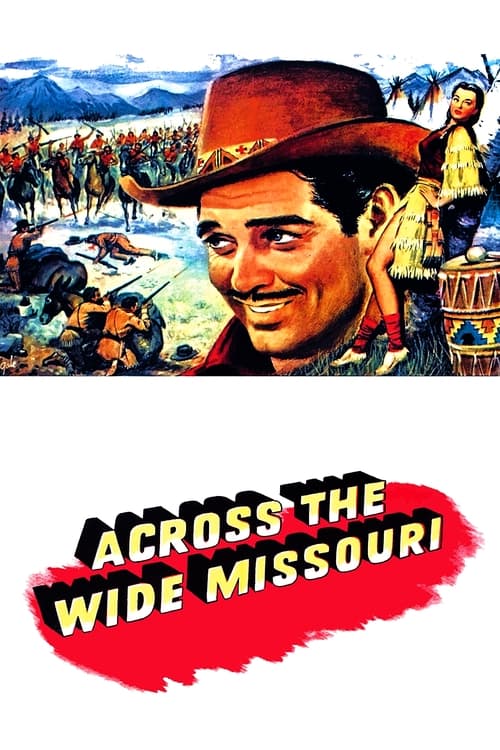
1951
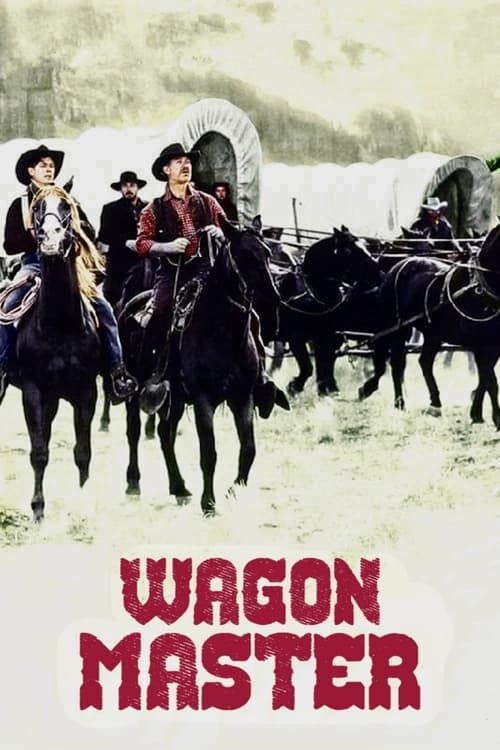
1950

1949
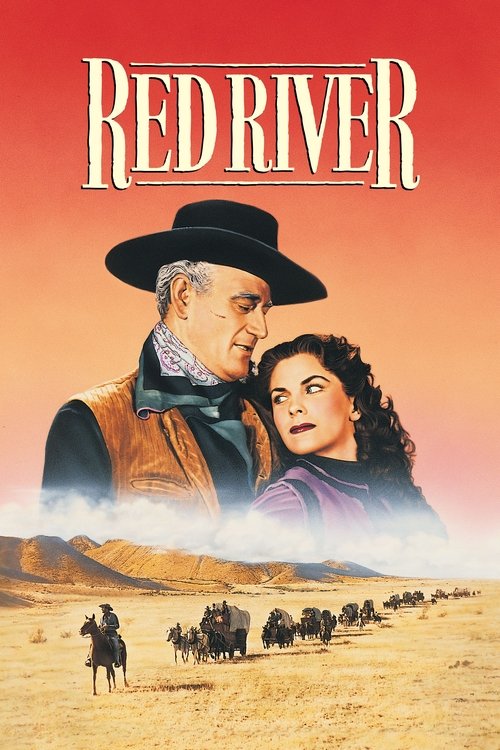
1948
No reviews yet. Be the first to share your thoughts on this movie!
Use the rating form above to leave a star rating and optional review.