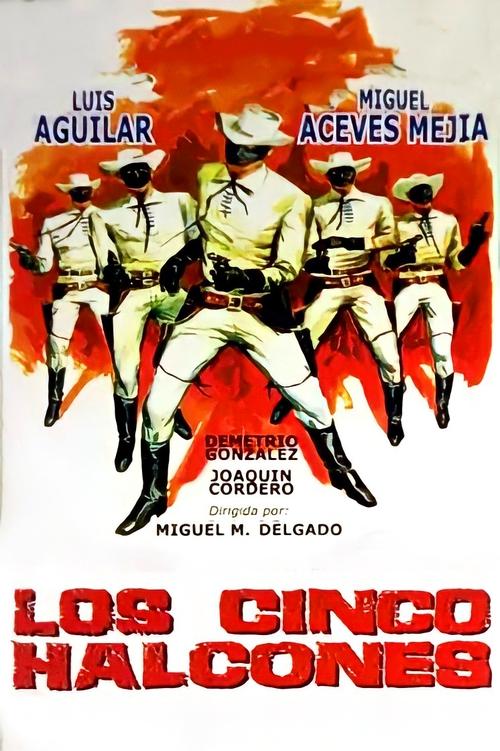
Los cinco halcones
1962
No user ratings available yet
Representation score: 3.7 out of 10
Representation Score
Fair
1966
NRDirector
Alfred Vohrer
Runtime
98 minutes
Average Rating
No ratings yetNew Showbiz Analysis
This film marks a step forward in Western cinema by giving Indigenous characters a significant role in driving the story and moral complexity. It avoids the 'white savior' cliché by focusing on Apache perspectives. However, the narrative remains anchored in traditional masculine hierarchies and lacks depth in representing diverse identities. Despite elevating Indigenous characters, the film still upholds the era's gender and orientation norms.
Category Breakdown
The film adheres to an assumption that everyone is straight or cisgender. There is no depiction of non-traditional gender identities or same-sex relationships.
The story focuses heavily on male characters and their physical strength. Women play secondary roles and do not have much influence on the main conflict.
Indigenous characters are central to the plot and have complex moral dimensions. This shifts away from typical stereotypes by placing the Indigenous perspective at the moral core.
The film supports the actions and viewpoints of Apache characters. It challenges simple black-and-white morality by embracing a more nuanced, tribal sense of justice.
There is no significant or meaningful portrayal of physical or neurological disabilities. Characters are primarily defined by their combat skills and readiness.
Present on Screen
Limited or Absent
Official Synopsis
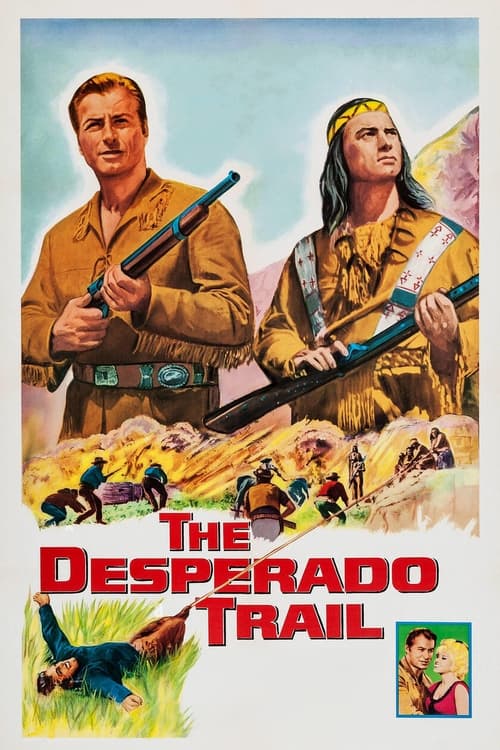
Firehand and his Apache friend Winnetou are determined to get justice for the murder of four young braves. They set off to track down the gang responsible for the horrendous act.
1962
1965
1965
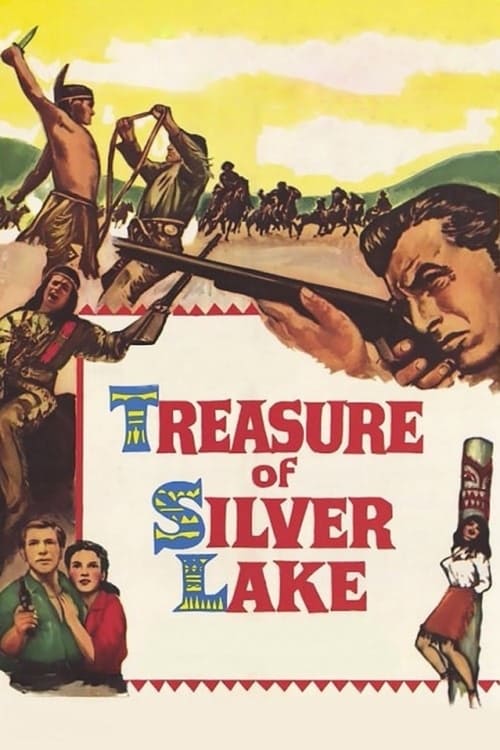
1962
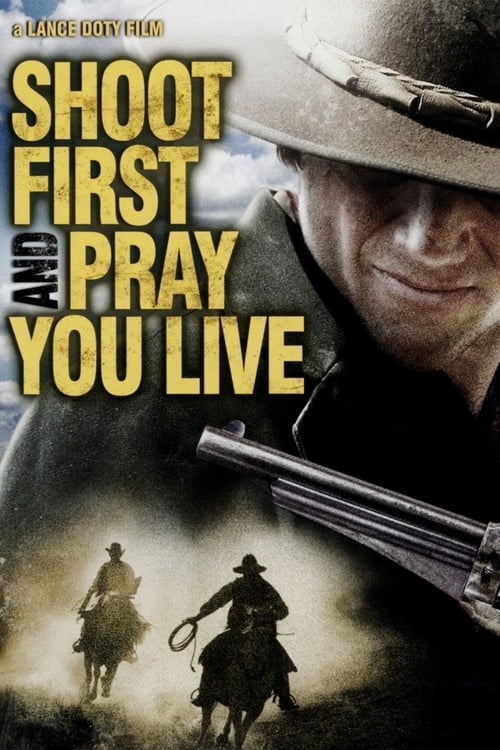
2008
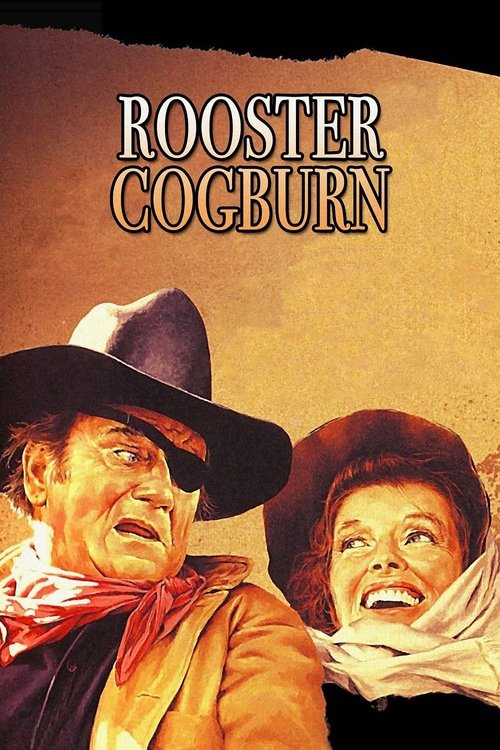
1975
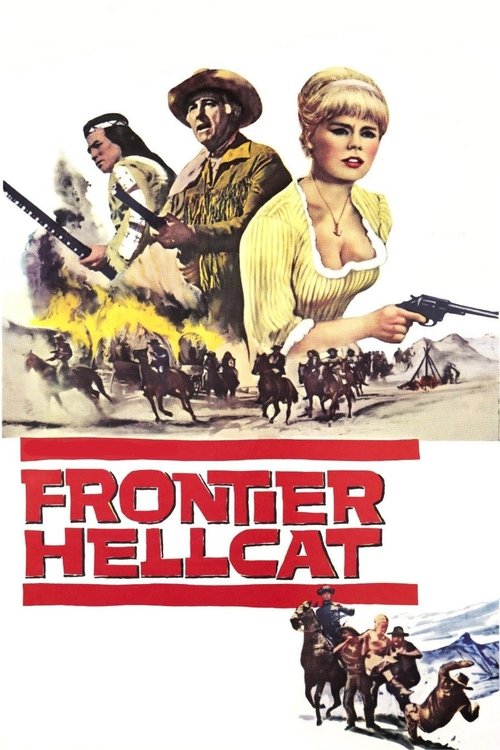
1964
1967
No reviews yet. Be the first to share your thoughts on this movie!
Use the rating form above to leave a star rating and optional review.