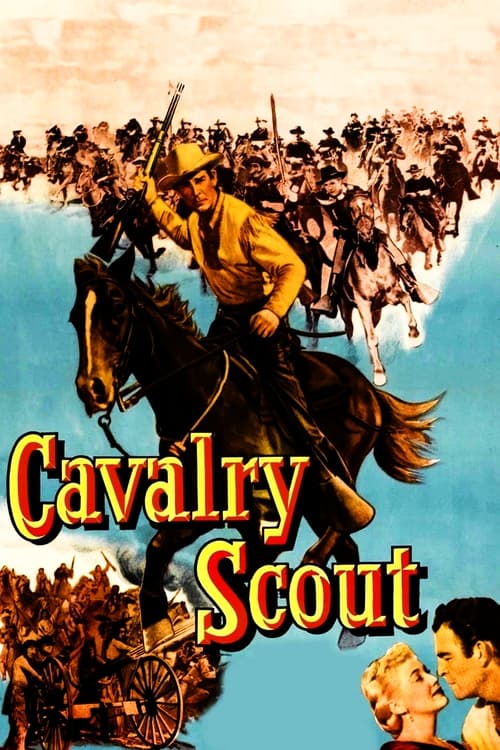
Cavalry Scout
1951
No user ratings available yet
Representation score: 2.1 out of 10
Representation Score
Minimal
1955
NRDirector
William Castle
Runtime
71 minutes
Average Rating
No ratings yetNew Showbiz Analysis
The film adheres to mid-1950s studio standards, emphasizing conventional Western genre clichés over social critique. It reinforces traditional hierarchies of gender and colonial authority through its focus on military command and territorial expansion. While the inclusion of Sioux chiefs provides some ethnic visibility, the narrative remains rooted in a colonial perspective. The roles of indigenous characters are secondary to the goals of the U.S. Cavalry. Ultimately, the work serves as a typical Western of its era. It lacks the layered complexity or the critique of systemic power structures needed for a more inclusive representation.
Category Breakdown
The film does not include any LGBTQ+ characters or stories. It focuses on traditional frontier themes without showing any queer characters.
The story is dominated by masculine leadership and military command. Maxine appears but her role seems confined to supporting the male characters.
The story revolves around conflicts between the cavalry and the Sioux. Indigenous characters like Red Cloud offer visibility but seem reactive to military expansion.
The film highlights mid-century Western values and military expansion. It depicts aggressive behaviors, such as Dakota Jack's drunken intimidation, within a traditional patriarchal context.
There are no characters with visible or invisible disabilities mentioned in the narrative.
Present on Screen
Limited or Absent
Official Synopsis
In the late 1880s, Colonel Carrington and his command are assigned the job of constructing a chain of forts in the Sious Indian territory of Wyoming. Carrington recruits former cavalry scouts Jim Bridger and "Dakota Jack" Gaines to lead the project. Bridger and Gaines are friendly with Sioux chief Red Cloud, and they feel a peace treaty with the Indians can be made. If an Indian-war breaks out, the cavalry is depending on getting a new type of Springfield rifle. Bridger, Gaines and Gaines wife, Maxine, arrive at the fort for the conference. Gaines, in a drunken fit, tries to intimidate the Indians unto signing a treaty. Chied Red Fox threatens war if his territory is invaded by any troops building forts.
1951
1963

1957
1965

1953
1966
1970
1970
No reviews yet. Be the first to share your thoughts on this movie!
Use the rating form above to leave a star rating and optional review.