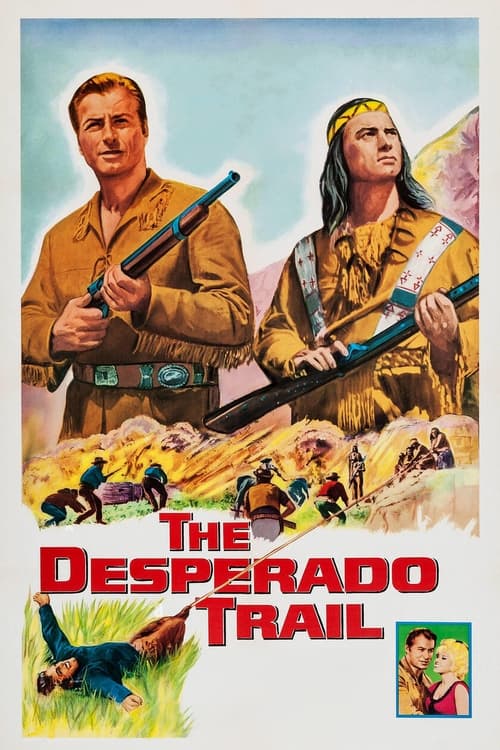
The Desperado Trail
1965
No user ratings available yet
Representation score: 2.8 out of 10
Representation Score
Limited
1964
NRDirector
Alfred Vohrer
Runtime
98 minutes
Average Rating
No ratings yetNew Showbiz Analysis
The film operates as a traditional adventure piece that prioritizes established notions of masculinity and Western justice. While it offers a departure from standard American Westerns by centering an Indigenous hero, it remains confined by generic and temporal limitations of 1964. Representation leans towards traditional hierarchies. The narrative structure focuses on frontier survival and masculine archetypes, leaving little room for diverse gender identities or non-traditional social structures. Ultimately, the work aims to restore order and protect settlers rather than deconstruct systemic power dynamics. It reflects the stability and classical morality of its time.
Category Breakdown
The film follows the straight-centered standards of 1960s adventure cinema. There is no indication of non-straight or non-cisgender identities within the story.
Male characters like Winnetou and Old Surehand have significant roles, while female characters mostly support the plot without independent authority.
The film features a Native protagonist as a moral leader, avoiding typical 'savage' stereotypes. However, it still uses outdated clichés like outlaws disguised as Indians.
The narrative emphasizes Western justice and stability, focusing on protecting settlers and restoring order without exploring alternative cultural viewpoints.
Characters are mainly defined by their physical abilities and combat skills. There is no significant focus on neurodivergence or physical disabilities.
Present on Screen
Limited or Absent
Official Synopsis
Outlaws disguised as Indians commit crimes against settlers but Winnetou and Old Surehand are determined to unmask the bandits and keep the peace. Alternate English Title: Amongst Vultures.
1965
1964
1965
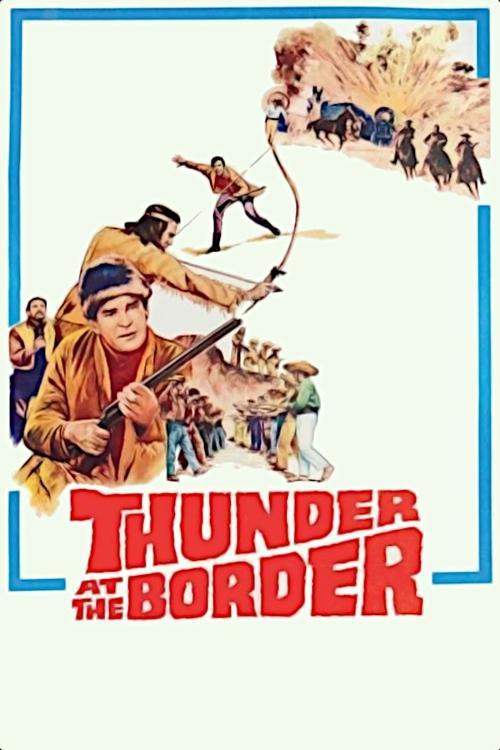
1966

1966
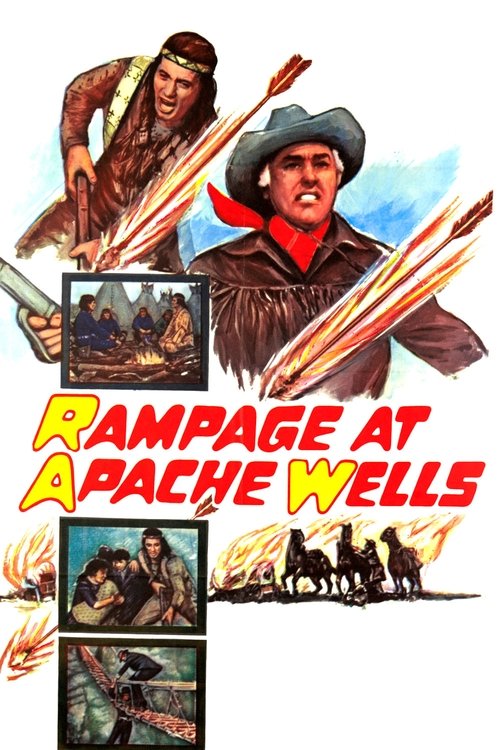
1965
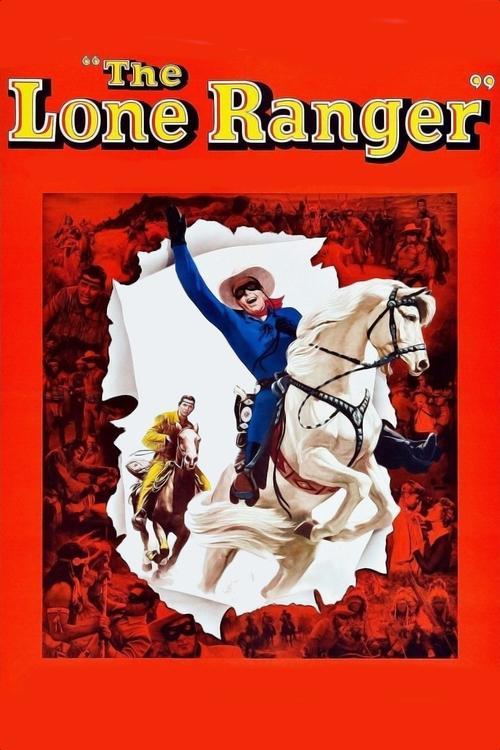
1956
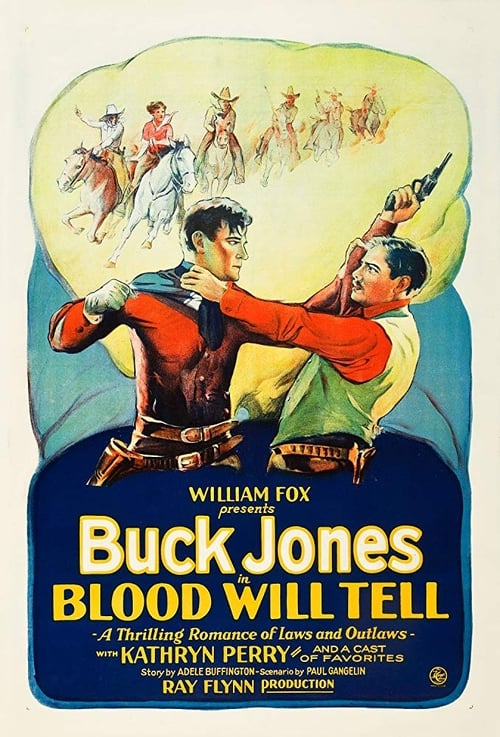
1927
No reviews yet. Be the first to share your thoughts on this movie!
Use the rating form above to leave a star rating and optional review.