Gold of the Seven Saints
1961
No user ratings available yet
Representation score: 0.5 out of 10
Representation Score
Minimal
1956
NRDirector
Stuart Heisler
Runtime
86 minutes
Average Rating
No ratings yetNew Showbiz Analysis
The Lone Ranger (1956) adheres closely to the conventions of the mid-20th century Western genre. The film centers on white, masculine ability to act, relegating other groups to peripheral roles. Social hierarchies are reinforced rather than challenged. Indigenous tribes are depicted through a lens of conflict, lacking depth and complexity. The narrative framework supports frontier expansion and traditional moral orders, reflecting the era's conventional social structures.
Category Breakdown
The film does not include any non-straight or non-cisgender identities. There is no queer subtext, and the main characters are portrayed within strict gender binaries.
The narrative focuses almost entirely on male characters. Female characters play supporting roles and serve mainly as catalysts for the male protagonists' actions, lacking independent ability to act.
Tonto provides a non-white character, but the film relies on conventional stereotypes. Indigenous groups are depicted as external threats rather than complex cultures.
The film upholds traditional Western moral frameworks and expansionist ideals. It emphasizes the distinction between lawful authority and criminal behavior, reinforcing established social structures.
The film does not depict any prominent or meaningful representations of physical or neurodivergent disabilities.
Present on Screen
Limited or Absent
Official Synopsis
The territorial governor asks the Lone Ranger to investigate mysterious raids on settlers by Indians who ride with saddles. Wealthy rancher Reese Kilgore wants to mine silver on Spirit Mountain which is sacred to the Indians.
1961
1965
1958
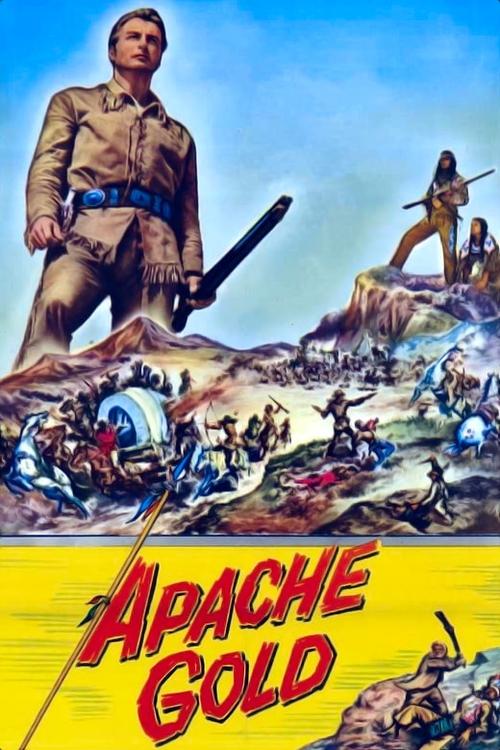
1963

1966
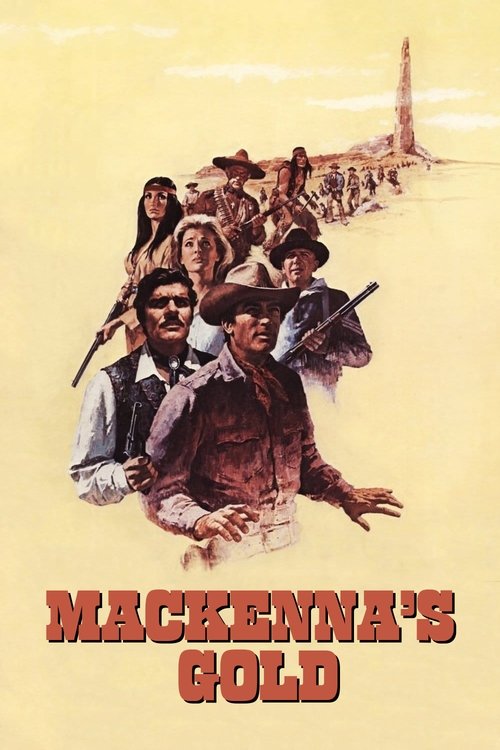
1969
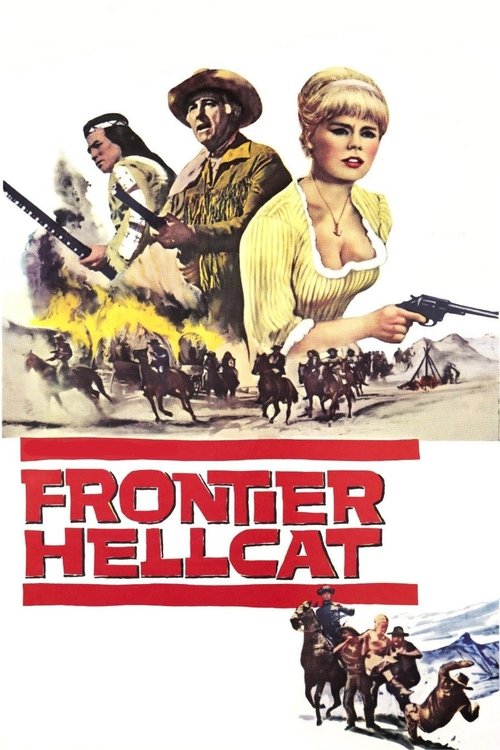
1964
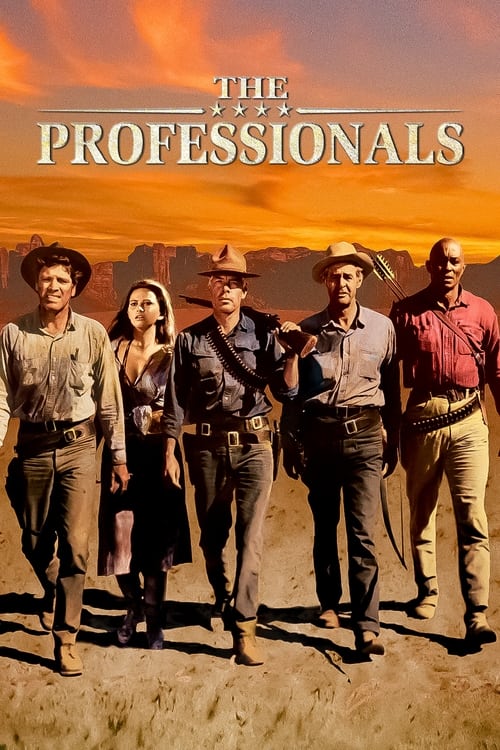
1966
No reviews yet. Be the first to share your thoughts on this movie!
Use the rating form above to leave a star rating and optional review.