The Mountain Men
1980
No user ratings available yet
Representation score: 1.3 out of 10
Representation Score
Minimal
1959
NRDirector
Gordon Douglas
Runtime
91 minutes
Average Rating
No ratings yetNew Showbiz Analysis
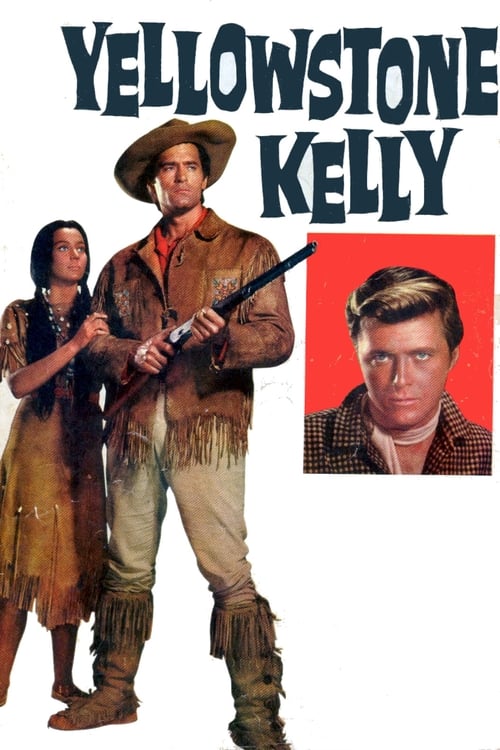
Yellowstone Kelly is a product of the 1950s Hollywood system, emphasizing traditional Western archetypes and clear moral distinctions. The narrative centers on male-driven survival and decision-making, limiting space for diverse perspectives and non-straight identities. While the film acknowledges the presence and sovereignty of Indigenous peoples, the power dynamics remain rooted in a white-centric frontier framework. Female characters, although central to the plot, primarily serve to drive the actions of male protagonists. Overall, the film upholds mid-century genre conventions, reinforcing established social hierarchies without challenging them, resulting in a narrow portrayal of the American frontier.
Category Breakdown
The film does not include any LGBTQ+ characters or themes. Relationships and interactions focus solely on heterosexual romance and male friendships.
The story is driven by male characters, particularly the protagonist and his assistant. A central female character from the Arapaho tribe plays a key role but mostly serves to advance the male characters' actions.
The narrative recognizes the ability to act of Sioux and Arapaho peoples but keeps the focus on white characters. It reflects the racial tensions and expansionist themes typical of Western films.
The story follows conventional Western ideas about frontier justice and honor. It focuses on mid-century American values and individual survival without critiquing systemic issues.
The film does not depict any characters with physical or neurodivergent disabilities. There are no significant narrative devices involving characters with disabilities.
Present on Screen
Limited or Absent
Official Synopsis
A fur-trapper named Kelly, who once saved the life of a Sioux chief, is allowed to set his traps in Sioux territory during the late 1870s. Reluctantly he takes on a tenderfoot assistant named Anse and together they give shelter to a runaway Arapaho woman. Tensions develop when Anse falls in love with this woman and when the Sioux chief arrives with his warriors to re-claim her.
1980
1965
1987

1971
1966
1953
1965
1970
No reviews yet. Be the first to share your thoughts on this movie!
Use the rating form above to leave a star rating and optional review.