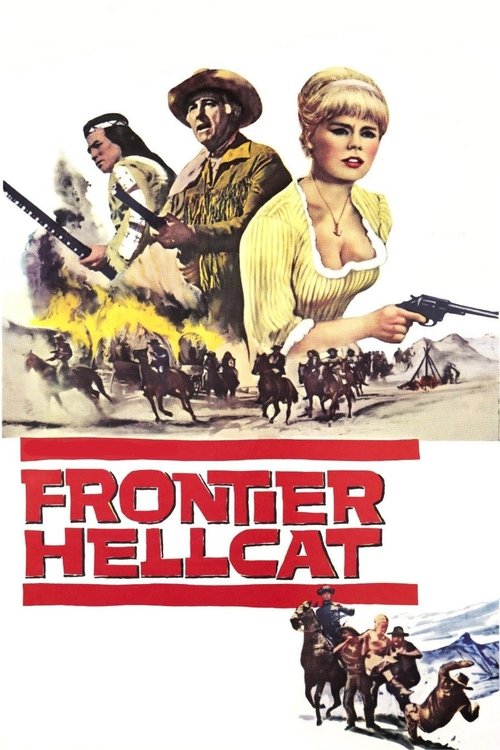
Frontier Hellcat
1964
No user ratings available yet
Representation score: 3.6 out of 10
Representation Score
Limited
1965
ApprovedDirector
Harald Reinl
Runtime
93 minutes
Average Rating
No ratings yetNew Showbiz Analysis
The film navigates a space between traditional Western clichés and nuanced social critique. It disrupts the standard 'heroic settler' archetype by presenting land acquisition as a source of systemic instability and moral corruption. While the film offers a sophisticated portrayal of racial ability to act and indigenous dignity, it remains anchored in mid-century masculine archetypes. Gender dynamics are limited, focusing on male-driven conflict and leadership. Ultimately, the production uses the genre to complicate the moral landscape of the American West, prioritizing communal stability over aggressive territorial gain.
Category Breakdown
The film does not include any LGBTQ+ characters or narratives. The story centers around the geopolitical conflict between settlers and indigenous tribes.
The narrative emphasizes a masculine-coded hierarchy typical of 1960s adventure films. Male protagonists drive the action, while female characters have little intellectual or structural authority.
Winnetou is given a significant role in driving the story, playing a central role in complex political landscapes. The plot highlights systemic corruption by depicting the indigenous protagonist as a victim of injustice.
The film challenges the 'civilization vs. savagery' cliché by showing settlers as the initiators of war. It critiques capitalist expansion and the corruption of frontier institutions.
There is no mention of physical or neurodivergent disabilities in the narrative.
Present on Screen
Limited or Absent
Official Synopsis
Rollins' gang wants to grab land by inciting the settlers in a war against the Indians but Winnetou and Old Shatterhand try to keep the peace, until Rollins frames Winnetou up for the murder of Jicarilla Chief's son.
1964
1964
1965
1963
1953
1969

1966

1950
No reviews yet. Be the first to share your thoughts on this movie!
Use the rating form above to leave a star rating and optional review.