Kino-Pravda No. 1
1922
No user ratings available yet
Diversity score: 5.1 out of 10
1928
Director
Dziga Vertov
Runtime
52 minutes
Average Rating
No ratings yetSynopsis
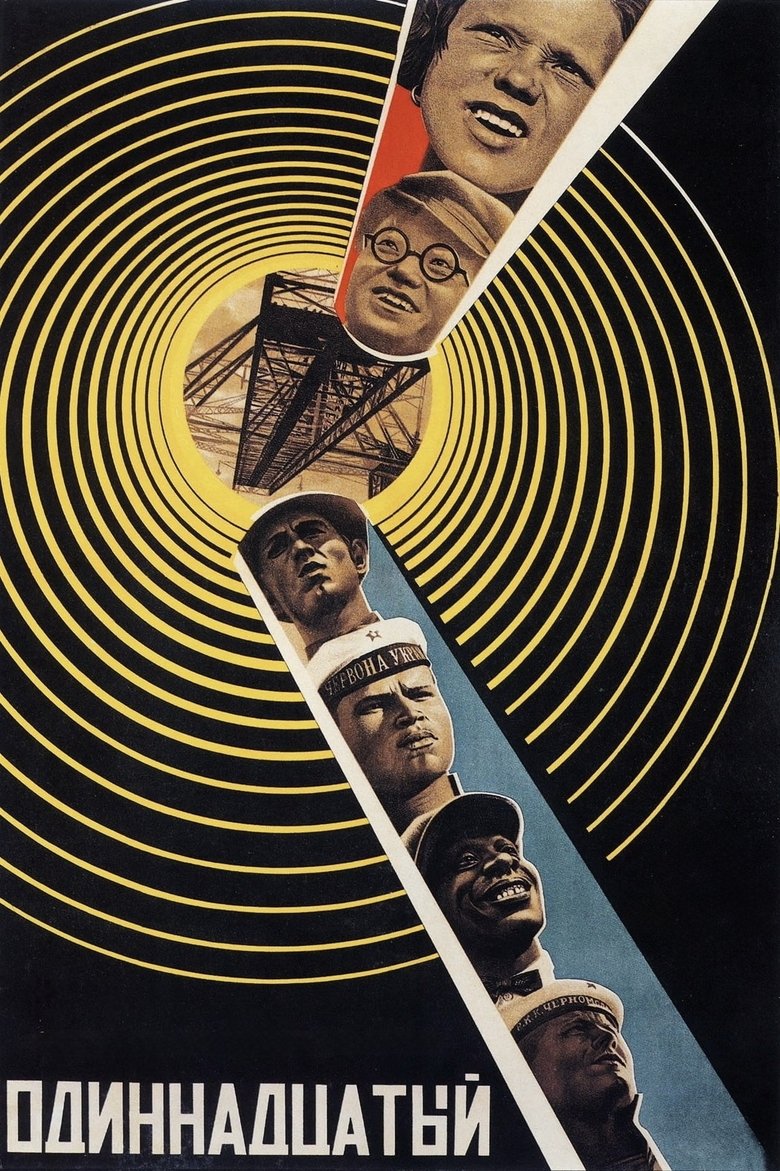
The film is dedicated to the achievements of the Ukrainian SSR for the eleventh anniversary of the October Revolution.
Overall Score
Fair
Category Breakdown
LGBTQ+ Representation
The film contains no depictions of non-heteronormative identities. It focuses strictly on the materialist realities of 1920s Soviet agrarian life.
Gender Representation
Women are presented as essential components of the collective economic engine rather than domestic subordinates. The film frames gendered roles through their functional contributions to the socialist agricultural cycle.
Racial & Ethnic Diversity
The cast is demographically homogeneous, consisting primarily of Slavic peasants. It presents a localized ethnic reality without imposing external racial hierarchies.
Religious & Cultural Diversity
The narrative celebrates a secular, materialist worldview that prioritizes communal resource management over private ownership. It actively challenges Western notions of individual merit and capitalist accumulation.
Disability Representation
There is no specific focus on disability. The film emphasizes physical vitality for labor but avoids tropes by focusing on collective functional capacity.
Strengths
Areas for Improvement
AI Analysis
Dziga Vertov’s documentary rejects individualist storytelling in favor of the 'mass hero.' By centering the narrative on the rhythmic, synchronized labor of the peasantry, the film replaces personal agency with communal utility. While the work lacks diversity in LGBTQ+ and racial categories, it excels in cultural representation. It serves as a systemic rejection of Western values, framing the socialist collective as the primary driver of progress. Ultimately, the film's strength lies in its radical cinematic theory, which disrupts conventional narrative expectations to celebrate the reorganization of rural life.
1922
1926
1925

1929
1925
1924
1930
1924
1923
1934
1926
1937
No reviews yet. Be the first to share your thoughts on this movie!
Use the rating form above to leave a star rating and optional review.