The Shakedown
1960
No user ratings available yet
Diversity score: 3.2 out of 10
1953
NRDirector
Jack Lee
Runtime
81 minutes
Average Rating
No ratings yetSynopsis
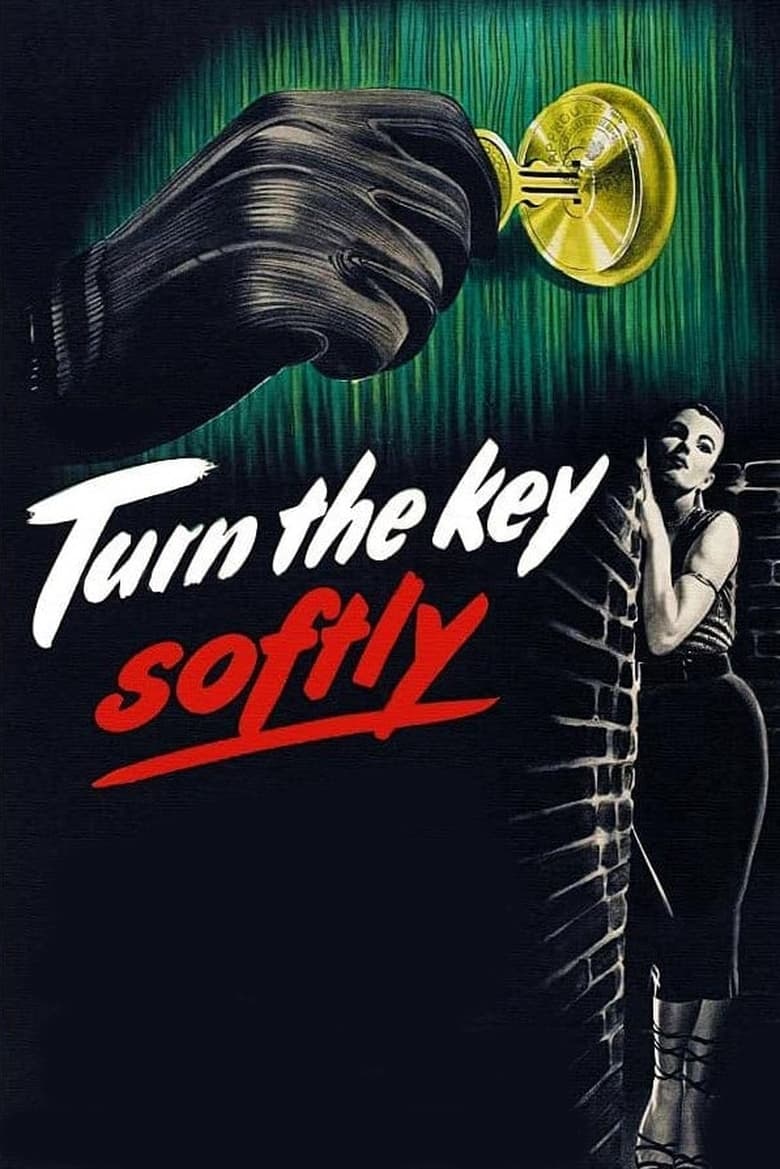
A bitter burglar, a prostitute and an elderly shoplifter spend their first day out of jail.
Overall Score
Limited
Category Breakdown
LGBTQ+ Representation
The film lacks any evidence of non-heteronormative identities or same-sex dynamics. It likely adheres to the restrictive sexual depictions common in 1953 cinema.
Gender Representation
A female protagonist portrayed as a prostitute offers a look at women in non-traditional roles. However, the narrative may still rely on period-typical tropes of social deviance.
Racial & Ethnic Diversity
There is no information confirming the racial composition of the cast. The film likely follows the homogeneous white casting profiles typical of the mid-century era.
Religious & Cultural Diversity
By centering on social outcasts, the film challenges the idea of traditional institutions as purely benevolent. It explores moral relativism through its marginalized characters.
Disability Representation
The narrative provides no specific details regarding physical disabilities or neurodivergence.
Strengths
Areas for Improvement
AI Analysis
Turn the Key Softly is a character-driven crime drama that focuses on individuals living on the margins of society. By centering on a burglar, a prostitute, and an elderly shoplifter, the film moves away from idealized mid-century storytelling to explore the friction between individual agency and systemic structures. While the film provides a platform for social outsiders, it lacks modern intersectional complexity. The narrative appears to operate within the restrictive cultural and systemic constraints of the early 1950s, focusing more on social archetypes than diverse identity representation. Ultimately, the film's strength lies in its potential to critique institutional stability through the lens of its characters' reintegration into society after incarceration.
1960

1952

1942
1965

1933
1950
1956

1965

1932

1939
1953
1940
No reviews yet. Be the first to share your thoughts on this movie!
Use the rating form above to leave a star rating and optional review.