
20,000 Years in Sing Sing
1932
No user ratings available yet
Representation score: 0.7 out of 10
Representation Score
Minimal
1940
NRDirector
Anatole Litvak
Runtime
77 minutes
Average Rating
No ratings yetNew Showbiz Analysis
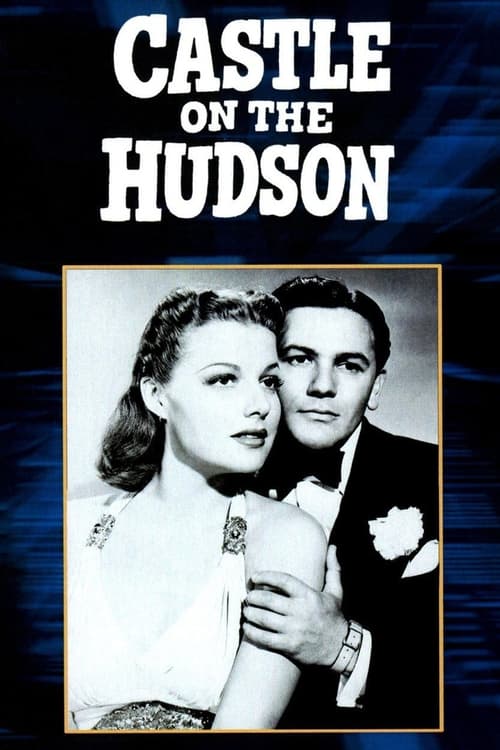
Castle on the Hudson is a mid-century crime drama that emphasizes classical moral archetypes over modern identity-based storytelling. The plot centers on the relationship between a hardened criminal and a reform-minded warden, highlighting themes of rehabilitation and institutional morality. Produced in 1940, the film adheres to the social and cinematic norms of its time. Its narrative structure follows traditional genre clichés, focusing on character redemption rather than challenging systemic hierarchies or celebrating diverse identities. Overall, the film explores the interplay between individual ability to act and systemic constraints, but it does not delve into the multi-layered complexities found in contemporary cinema.
Category Breakdown
The film does not include any characters with non-traditional gender identities. The story revolves around a traditional conflict between a prisoner and a warden, which is heavily influenced by masculine stereotypes.
The central power dynamics in the film are based on masculine hierarchies of authority and rebellion. The main conflict is driven by male characters within an institutional setting.
The film likely adheres to the homogenous casting standards typical of 1940s Hollywood. There is no indication of significant diversity in casting.
The story examines Western institutional morality through the lens of prison reform. It focuses on the moral evolution of individuals within a structured societal framework.
There is no specific mention of physical disabilities or neurodivergence in the narrative.
Present on Screen
Limited or Absent
Official Synopsis
A hardened crook behind bars comes up against a reform-minded warden.
1932

1941
1940

1947
1940

1980

1931
1939
No reviews yet. Be the first to share your thoughts on this movie!
Use the rating form above to leave a star rating and optional review.