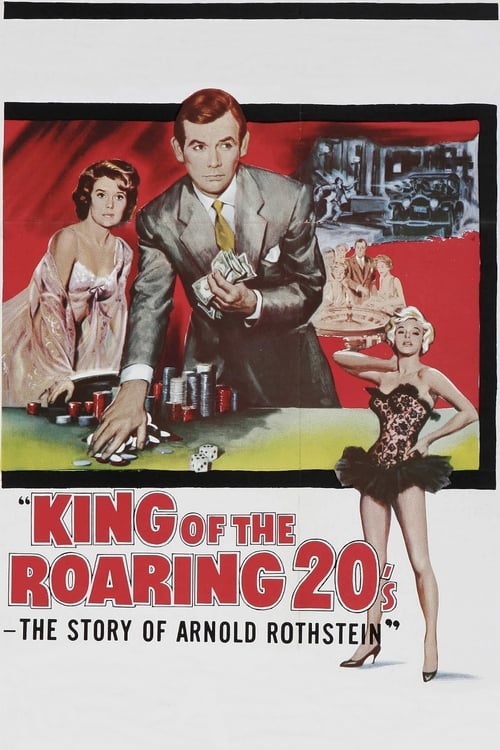
King of the Roaring 20's – The Story of Arnold Rothstein
1961
No user ratings available yet
Representation score: 1.8 out of 10
Representation Score
Limited
1956
NRDirector
Walter Doniger
Runtime
86 minutes
Average Rating
No ratings yetNew Showbiz Analysis
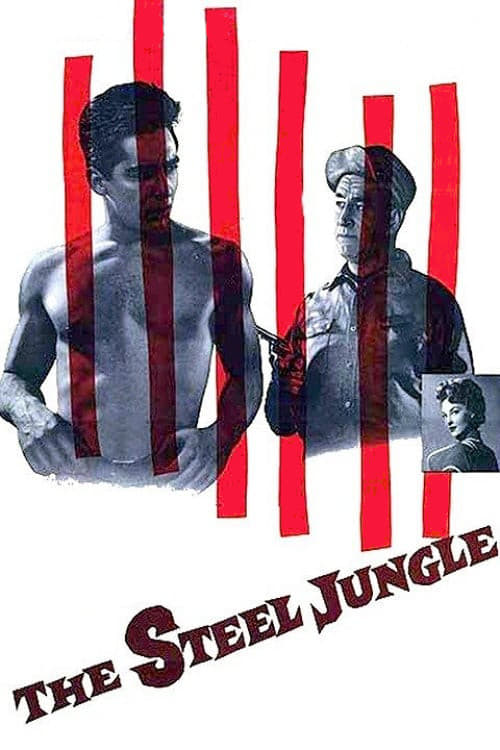
The Steel Jungle is a mid-century social realism film that focuses on critiquing socioeconomic systems rather than character diversity. While it shows a multi-ethnic urban environment, it adheres to the traditional hierarchies of the time. The film's main strength is its critique of social institutions and how systemic failures contribute to delinquency among youth. However, this strength does not extend to diverse character development, as the narrative remains centered on male characters with limited roles for women.
Category Breakdown
The film does not include any LGBTQ+ characters or stories that challenge traditional heterosexual relationships. The focus is on the breakdown of the traditional family structure.
The story revolves around male-dominated delinquency and interactions with authority figures. Although a female spouse is mentioned, the main character and his criminal associates have the most influence in the plot.
The film portrays a city with various ethnic groups, including Black and white residents. However, the representation reflects the setting without challenging racial hierarchies.
The story critiques traditional Western institutions and examines how the failure of social systems and poverty affect urban youth.
There are no characters with visible or invisible disabilities in the film. Disability is not used as a narrative tool.
Present on Screen
Limited or Absent
Official Synopsis
The tale of a young bookie, married to a beautiful woman who goes to jail, and becomes involved with hoodlums.
1961
1950

1941
1949
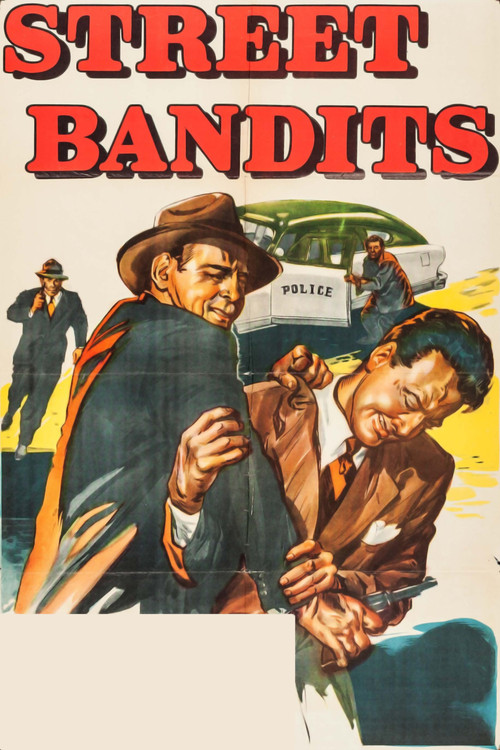
1951
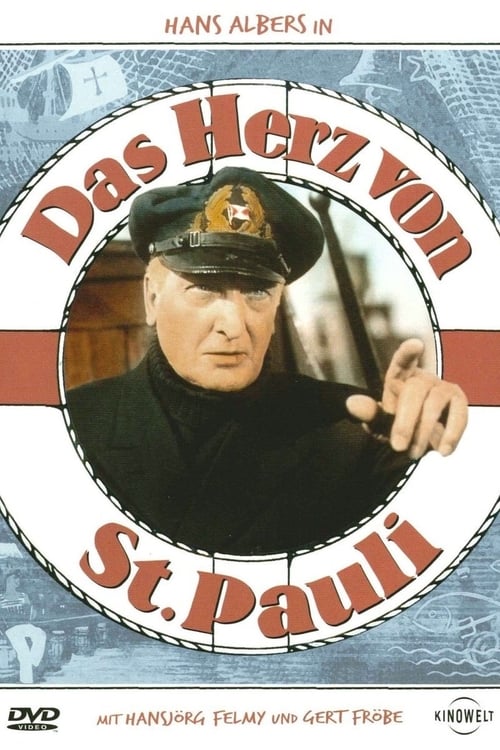
1957
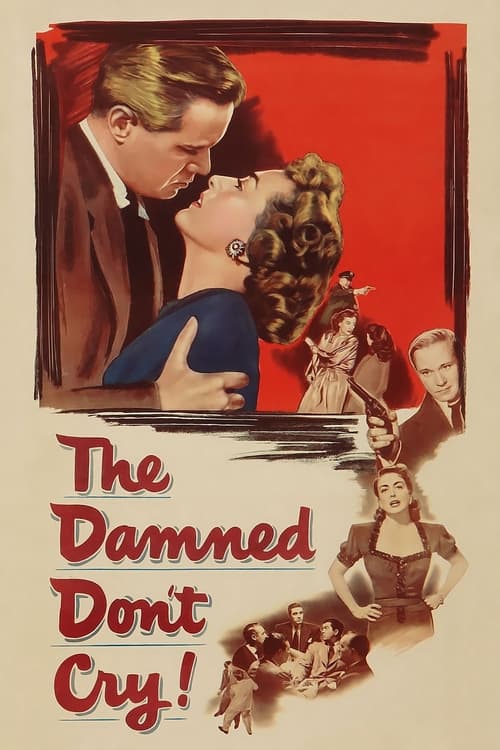
1950
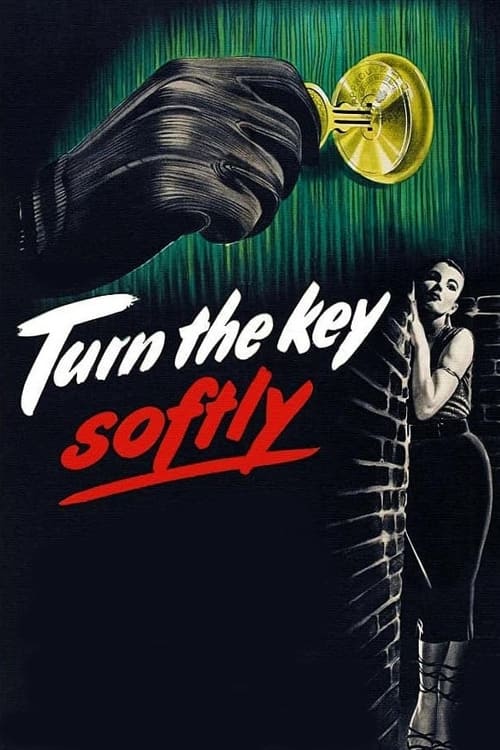
1953
No reviews yet. Be the first to share your thoughts on this movie!
Use the rating form above to leave a star rating and optional review.