Pickpocket
1959
No user ratings available yet
Representation score: 2.0 out of 10

Representation Score
Limited
1965
Director
Claude Lelouch
Runtime
100 minutes
Average Rating
No ratings yetNew Showbiz Analysis
Claude Lelouch’s film is a character-driven study of social non-conformity. It finds its strength in deconstructing traditional economic structures by presenting criminal training as a way to bypass the drudgery of working life. However, the film lacks depth in representing underrepresented identities in terms of race, gender, and orientation. Operating within the established social frameworks of 1965, the film offers minimal representation for underrepresented groups. Ultimately, the work focuses on individual rebellion rather than systemic representation or identity politics, resulting in a narrow social scope.
Category Breakdown
The film does not include any LGBTQ+ characters or narratives. It follows the conventions of mid-1960s French cinema, which does not depict queer identities.
Gender dynamics follow typical era archetypes. Women do not hold positions of intellectual or structural dominance over their male counterparts.
The production reflects the demographic homogeneity of mid-century European crime dramas. There is no indication of a non-white cast or diverse ethnic representation.
The story challenges social order by framing crime as an alternative to traditional labor. This presents a moral relativism that rejects the standard capitalist work ethic.
There is no discernible evidence regarding the inclusion or portrayal of characters with physical or neurodivergent disabilities.
Present on Screen
Limited or Absent
Official Synopsis
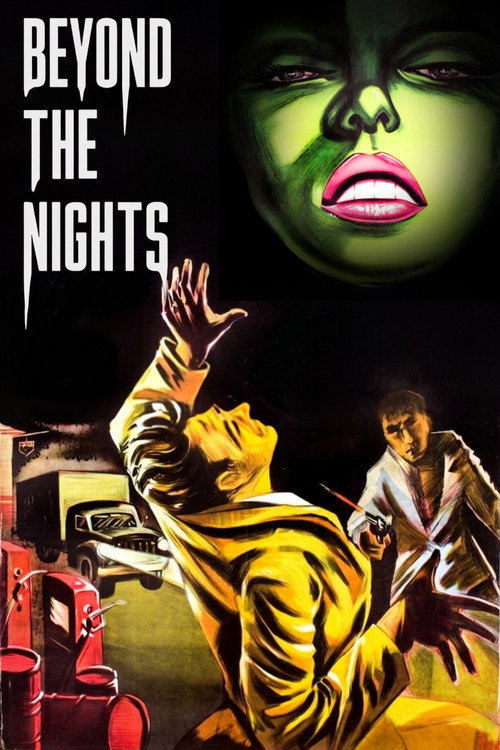
Four young people, tired of working life, decide that they can earn money from crime than they can from work. The film follows their training at the first "crime school", as well as their work.
1959
1964

1969
1960
1944
1963

1945
1957
No reviews yet. Be the first to share your thoughts on this movie!
Use the rating form above to leave a star rating and optional review.