The Shakedown
1960
No user ratings available yet
Diversity score: 3.2 out of 10
1942
NRDirector
Lewis Seiler
Runtime
82 minutes
Average Rating
No ratings yetSynopsis
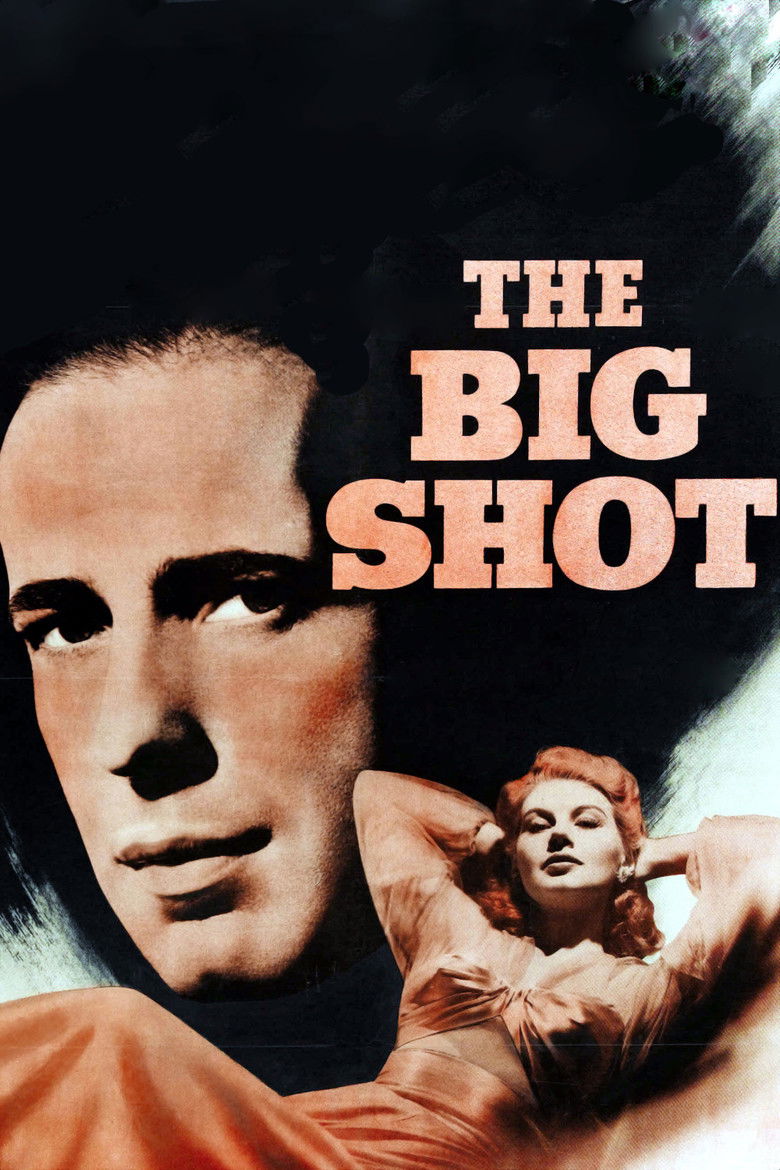
Duke Berne, former big shot but now a three-time loser, fears returning to crime because a fourth conviction will mean a life sentence. Finally, haunted by his past and goaded by his cohorts, he joins in planning an armoured car robbery.
Overall Score
Limited
Category Breakdown
LGBTQ+ Representation
The film lacks any evidence of LGBTQ+ characters or non-heteronormative narratives. It adheres to the standard social constraints of 1942 cinema.
Gender Representation
The story centers on Duke Berne and his male cohorts, prioritizing masculine-coded agency. Female characters appear only as supporting figures within a male-dominated framework.
Racial & Ethnic Diversity
The production reflects the homogeneous casting standards of the early 1940s Hollywood studio system. There is no indication of a non-white majority cast.
Religious & Cultural Diversity
The narrative follows a traditional moral arc regarding law and order. It does not challenge Western institutions or promote anti-establishment ideologies.
Disability Representation
There is no documented evidence of characters with visible or invisible disabilities in this film.
Strengths
Areas for Improvement
AI Analysis
The Big Shot is a conventional 1942 crime drama that functions strictly within the demographic and social hierarchies of its era. The narrative focuses on masculine-coded criminal enterprise, leaving little room for diverse perspectives or intersectional identities. While the protagonist faces systemic legal pressures, the film does not use these themes to disrupt the status quo or challenge established social norms. It remains a genre-driven piece typical of the studio system's output during this period. Ultimately, the film lacks intentionality regarding representation, offering a narrow view of criminality that reflects the era's standard casting and storytelling conventions.
1960

1954
1930
1931
1939
1950

1950
1955
1956
1948
1940
1953
No reviews yet. Be the first to share your thoughts on this movie!
Use the rating form above to leave a star rating and optional review.