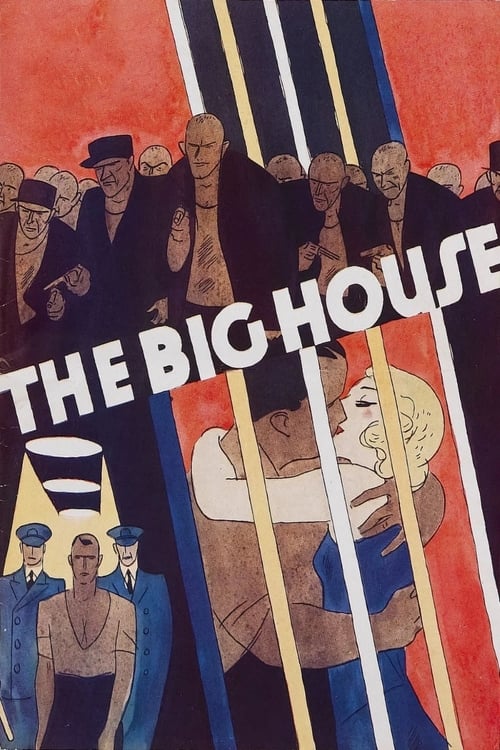
The Big House
1930
No user ratings available yet
Representation score: 3.5 out of 10

Representation Score
Limited
1932
PassedDirector
Rowland Brown
Runtime
62 minutes
Average Rating
No ratings yetNew Showbiz Analysis
Hell's Highway is a period-specific crime drama that prioritizes gritty realism over moralistic storytelling. While it avoids the sanitized virtue common in early 1930s cinema, it remains limited by the era's social constraints. The film's focus on the penal system provides insight into systemic struggles, yet it lacks complexity in reflecting diverse identities. The narrative structure centers on masculine experiences within criminal environments. Ultimately, the work reflects the demographic standards of its time, offering a narrow but naturalistic view of institutional life.
Category Breakdown
The film follows the strict social norms of 1932 and does not include any queer narratives or non-cisgender identities.
The story focuses on masculine environments such as prisons and crime. It likely reinforces traditional gender roles without showing strong female influence or challenging gender hierarchies.
The film seems to follow the demographic norms of its time. There is no indication of significant racial diversity or non-white characters driving the narrative.
The film presents a realistic view of systemic confinement. By focusing on a convict, it explores the tension between individuals and state institutions without idealizing morality.
There is no documented evidence regarding the portrayal of physical or neurodivergent disabilities in this work.
Present on Screen
Limited or Absent
Official Synopsis
A prison-camp convict learns that his younger brother will soon be joining him behind bars.
1930
1941
1939

1937
1933
1932
1936

1931
No reviews yet. Be the first to share your thoughts on this movie!
Use the rating form above to leave a star rating and optional review.